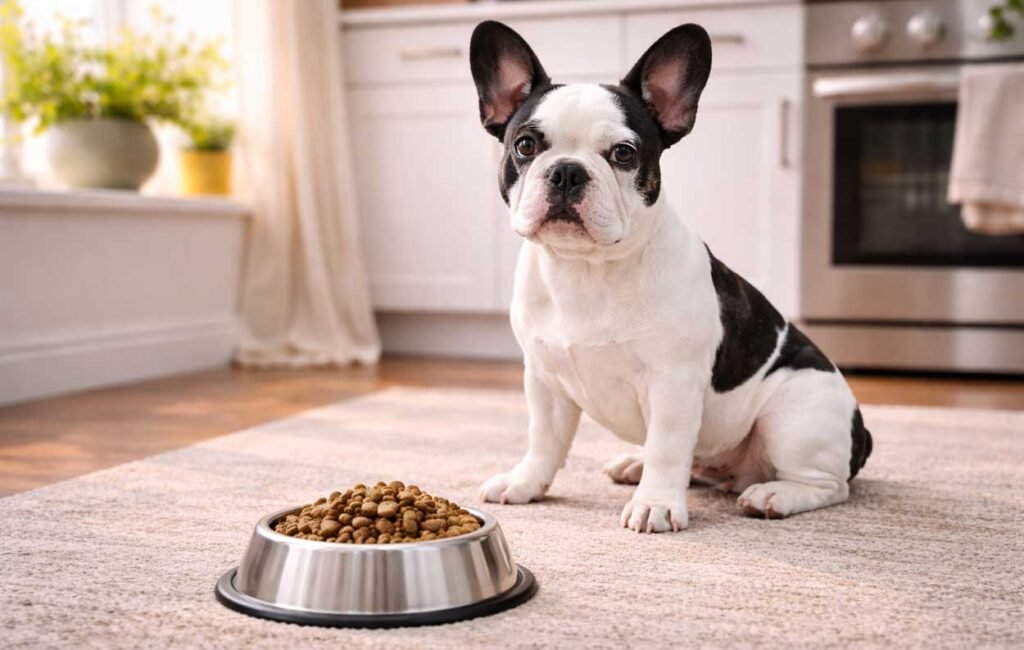
Homemade Food for French Bulldogs: Safe Recipes, Ingredients & Feeding Tips
Many French Bulldog owners enjoy preparing fresh food at home. It can be a useful way to add variety to a dog’s meals, use familiar ingredients, or work with a veterinarian on a diet for a specific health concern.
But there is an important difference between home-cooked food and a complete and balanced homemade diet.
A bowl made with meat, vegetables, and grains may look healthy, but dogs need the right balance of protein, fat, vitamins, minerals, and other nutrients. A homemade recipe that is missing key nutrients can cause problems if it becomes a dog’s main diet for a long time.
In this guide, you’ll learn how to approach homemade food more safely, which simple cooked ingredients are commonly used for dogs, how to store homemade food, and why a veterinarian or board-certified veterinary nutritionist should be involved when homemade food will make up most of your Frenchie’s diet.
If your French Bulldog has food allergies, digestive problems, is overweight, or has another medical condition, talk with your veterinarian before changing their regular diet.
Why Do Some French Bulldog Owners Choose Homemade Food?
There are several reasons a dog owner may consider home-cooked food.
Some owners like preparing fresh ingredients themselves. Others may need to work with a veterinarian on a specific diet because their dog has a medical or dietary concern.
Home cooking can also make it easier for an owner to know exactly which ingredients are being used. However, that does not automatically make a homemade diet nutritionally complete.
A homemade diet needs the correct amounts and balance of essential nutrients. According to veterinary nutrition guidance, this can be difficult to achieve with a recipe found online or by simply combining meat, vegetables, grains, and supplements.
Homemade Food May Be Useful For:
- Adding small amounts of cooked food as a meal topper
- Offering variety when appropriate
- Following a veterinarian-designed diet
- Using specific ingredients selected for an individual dog’s needs
If homemade food is going to replace your Frenchie’s regular complete and balanced dog food, use a recipe specifically formulated for your dog’s life stage and nutritional needs by a qualified veterinary nutrition professional.
Potential Benefits and Limitations of Homemade Dog Food
Home-cooked food can have some practical advantages, but it is not automatically healthier than a properly formulated commercial dog food.
Possible advantages
- You choose the ingredients being used.
- You can prepare food in a way that suits your dog’s preferences.
- You can follow a specific recipe provided by your veterinarian or veterinary nutritionist.
- You can avoid an ingredient when a veterinarian has identified it as a problem.
Important limitations
- Creating a nutritionally complete recipe can be difficult.
- Ingredients can vary in calories and nutrient content.
- Changing ingredients can change the nutritional balance.
- Supplements need to be used at the correct dose.
- Homemade diets require more preparation and storage.
- A recipe suitable for one dog may not be suitable for another.
The important point is simple: fresh ingredients do not automatically equal a complete and balanced diet. Dogs need nutrients in appropriate amounts, not just a list of healthy-looking ingredients.
A Simple Cooked Homemade Food Recipe for Dogs
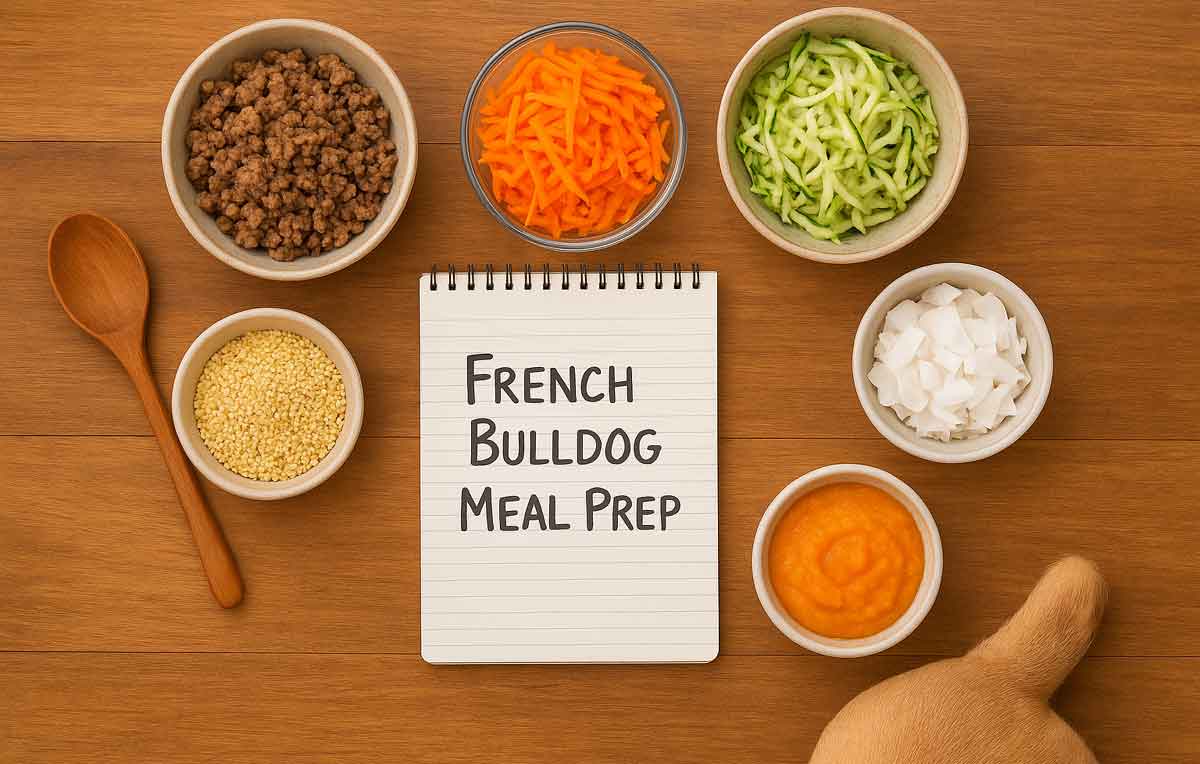
If you’re looking for a simple home-cooked meal idea, the recipe below can be used as an occasional food or meal topper, unless your veterinarian has specifically formulated it as part of your dog’s complete diet.
It should not be presented as a nutritionally complete long-term diet simply because it contains meat, vegetables, grains, calcium, and a vitamin supplement.
Ingredients
- Lean cooked ground beef, fully cooked and drained
- Plain cooked rice or another veterinarian-approved carbohydrate
- Cooked carrot
- Cooked zucchini
- Plain pumpkin puree
- Water as needed for texture
Do not add onions, garlic, excessive salt, spicy seasonings, sauces, or other ingredients that are unsafe or inappropriate for dogs.
Using a digital kitchen scale can make it easier to measure ingredients consistently, especially when you are preparing homemade food in batches.
→ HealthSense Weight Machine for Kitchen Kitchen Food Weighing
Instructions
- Cook the ground beef thoroughly and drain excess fat.
- Cook the rice until soft.
- Cook the vegetables until they are soft enough for your dog to eat comfortably.
- Mix the cooked ingredients together.
- Allow the food to cool before serving.
- Store unused portions safely in the refrigerator or freezer.
Important
This simple recipe is not a substitute for a complete and balanced dog diet unless it has been specifically formulated for your dog by a qualified veterinary nutrition professional.
If homemade food will make up most or all of your Frenchie’s diet, use a properly formulated recipe rather than changing ingredients or supplement amounts on your own. Homemade diets can become nutritionally deficient when the recipe is not correctly balanced.
Feeding and Storage Tips
How much homemade food your Frenchie needs depends on factors such as age, body weight, activity level, current body condition, and overall health.
For that reason, avoid using a fixed amount such as “1 to 1.5 cups per meal” for every French Bulldog.
Instead:
- Follow your veterinarian’s feeding recommendation when available.
- Introduce new foods gradually.
- Watch your dog’s body condition and weight.
- Keep treats and extras within the overall daily calorie plan.
- Do not make major diet changes suddenly.
- Refrigerate leftovers promptly.
- Freeze portions if you are preparing food ahead of time.
- Use clean bowls, utensils, and preparation surfaces.
FDA recommends careful handling and storage of pet food and emphasizes washing hands and food utensils after preparation.
If your Frenchie develops repeated vomiting, diarrhea, itching, ear problems, or other concerning symptoms after a diet change, contact your veterinarian.
A measuring scoop can also make daily portions easier to keep consistent.
→ Pet Food Measuring Scoop with Long Handle
If you prepare homemade food in batches, an airtight pet food storage container can make refrigerator or freezer storage more convenient.
→ Airtight Dog Food Storage Container
What About Raw Food for French Bulldogs?
Raw feeding is a separate topic and should not be treated as a simple homemade recipe.
Raw animal-source foods can carry harmful bacteria, including Salmonella and Listeria, which can create risks for pets and people handling the food. FDA advises pet owners to be aware of these risks and states that not feeding a raw diet is the best way to prevent infection from pathogens associated with raw pet food.
If you are considering a raw diet for your French Bulldog, discuss it with your veterinarian first rather than relying on an online recipe.
This is especially important in households with young children, older adults, pregnant people, or anyone with a weakened immune system.
Homemade Dog Food vs. Complete and Balanced Commercial Food
Homemade food is not automatically better than commercial dog food.
A reputable commercial dog food can be formulated to provide complete and balanced nutrition for a specific life stage. Homemade diets can also work, but they need careful formulation to provide the right nutrients in the right amounts.
Homemade food may make sense when:
- You enjoy preparing food for your dog.
- Your veterinarian recommends a home-cooked diet.
- A veterinary nutritionist has formulated a recipe for your dog.
- You need a specific diet for a diagnosed medical condition.
Commercial food may be more practical when:
- You want a nutritionally complete everyday diet.
- You have limited time for food preparation.
- You want consistent nutrient levels and portioning.
- Your veterinarian recommends a therapeutic or prescription diet.
The right choice depends on the individual dog. What matters most is that the overall diet provides appropriate nutrition for the dog’s life stage and health needs.
Common Ingredients Used in Homemade Dog Food
Different ingredients can be included in homemade dog diets, but their role depends on the overall recipe.
- Cooked lean meat: Provides protein and other nutrients.
- Rice or other cooked grains: Can provide carbohydrates and energy.
- Carrots and zucchini: Common vegetable ingredients that add fiber and variety.
- Plain pumpkin: Can be included in some diets, but it is not a cure for digestive problems.
- Calcium and vitamin supplements: Should only be added according to a properly formulated recipe. More is not always better.
- Fish oil or other supplements: Should be discussed with your veterinarian because the need and dose depend on the complete diet and your dog’s health.
Remember that individual ingredients do not make a diet complete by themselves. The balance of the entire diet matters.
What If Your French Bulldog Has Food Allergies?
It is common to see dog owners change foods when their Frenchie develops itching, ear problems, digestive upset, or other symptoms.
But these symptoms do not automatically mean that your dog has a food allergy.
Dogs can react to different ingredients, and diagnosing a food-related problem usually requires a structured elimination diet under veterinary guidance. During a proper diet trial, treats, snacks, table food, and some supplements may also need to be controlled because they can interfere with the results.
If you suspect a food allergy, avoid randomly removing several ingredients at once. Ask your veterinarian about an appropriate diet trial and how long it should be followed.
Frequently Asked Questions
Can I feed my French Bulldog homemade food every day?
You can feed a home-cooked diet as an everyday diet when it has been properly formulated to meet your dog’s nutritional needs. A random internet recipe should not automatically be used as your dog’s sole long-term food.
Is homemade food better than commercial dog food?
Not necessarily. A properly formulated commercial diet can provide complete and balanced nutrition, while homemade diets require careful formulation to avoid nutrient deficiencies or excesses.
Can I give my Frenchie chicken, beef, rice, or vegetables?
Many dogs can eat properly prepared versions of common foods, but whether an ingredient is appropriate depends on the individual dog and the overall diet. Introduce new foods gradually and avoid ingredients that your veterinarian has identified as unsuitable.
Can homemade food help a French Bulldog with allergies?
It can be part of a veterinarian-directed elimination diet, but simply switching to homemade food does not diagnose or treat a food allergy. A structured diet trial is usually needed when food allergy is suspected.
Is raw food safe for French Bulldogs?
Raw diets carry food-safety risks because raw pet food can contain harmful bacteria such as Salmonella and Listeria. Discuss raw feeding with your veterinarian before making this type of diet change.
How do I know if a homemade diet is balanced?
The safest approach is to have the diet formulated for your dog by a board-certified veterinary nutritionist. Simply adding a multivitamin or calcium powder does not guarantee that a homemade recipe is nutritionally complete.
Final Thoughts
Homemade food can be a useful part of your French Bulldog’s diet, but it should not automatically be treated as a complete replacement for commercial dog food.
The safest approach is to focus on your dog’s individual needs, introduce new foods gradually, and avoid making major dietary changes without veterinary guidance.
If you want to feed homemade food as your Frenchie’s main diet, ask your veterinarian about working with a board-certified veterinary nutritionist to create a properly balanced recipe.
And if your Frenchie has ongoing digestive problems, itching, ear issues, weight changes, or other symptoms, don’t assume that changing ingredients at home will solve the problem. A veterinarian can help determine whether an underlying medical or dietary issue needs attention.
A good homemade diet is not simply about using fresh ingredients. It is about providing the right nutrients, in the right amounts, for the individual dog.
🐾 Ready to Start Cooking?
Try out this easy recipe for your Frenchie today! Let me know how your pup likes it. And remember, always talk to your vet before switching up their food.
Disclosure: As an Amazon Associate, I earn from qualifying purchases with no extra cost to you.