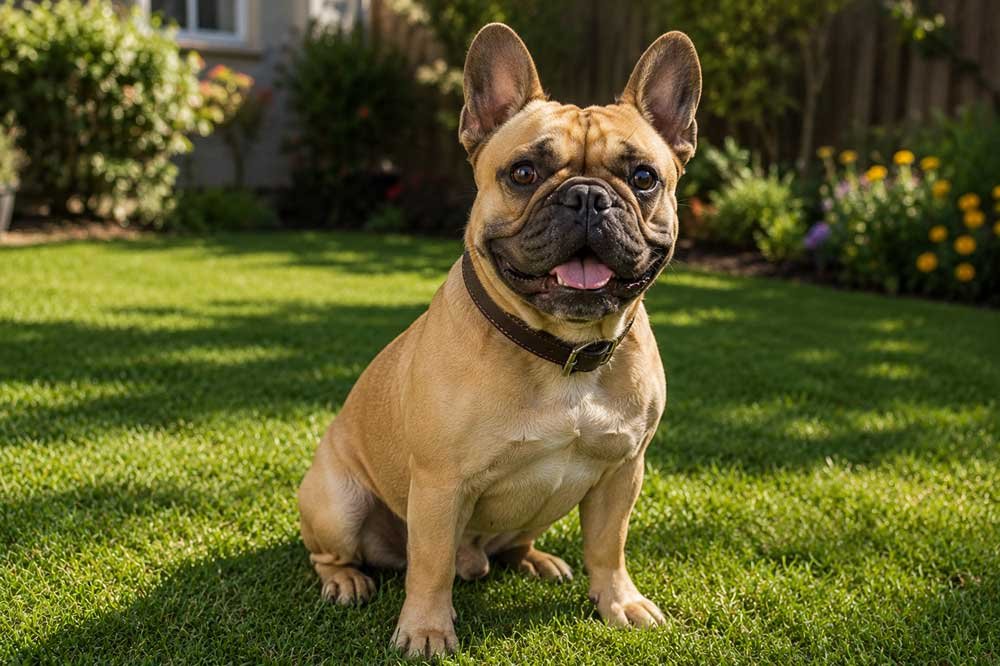
Adult French Bulldog Care Guide (4–8 Years): How to Keep Your Frenchie Healthy, Comfortable & Happy
Adult French Bulldog Care Guide (4–8 Years)
The 4–8 year stage is often one of the most enjoyable times in a French Bulldog’s life.
Your Frenchie has moved past the unpredictable puppy stage and has developed their own personality, habits, and favorite routines. They usually know the household rules, understand your emotions, and have become a true companion rather than just a young dog learning about the world.
However, adulthood does not mean your French Bulldog no longer needs special attention.
This stage is about protecting the health they already have.
Many French Bulldogs still look young and playful between 4 and 8 years old, but this is also the time when small changes can begin to appear. A little extra weight, less interest in walks, dental issues, or changes in breathing may seem minor at first but can become bigger concerns if ignored.
A good adult care routine focuses on prevention.
Many experienced French Bulldog owners find that this stage is less about major changes and more about noticing small differences before they become bigger problems.
With the right nutrition, regular movement, grooming, and veterinary care, you can help your French Bulldog enjoy these years with comfort and confidence.
If your French Bulldog is still in the earlier adult stage, our Young Adult French Bulldog Care Guide (1–4 Years) covers the important habits and routines that help build a healthy foundation.
Adult French Bulldog Care Guide: Quick Overview (4–8 Years)
| Care Area | What Your Frenchie Needs |
| Age Range | 4–8 Years |
| Feeding | Balanced adult diet with controlled portions |
| Exercise | Daily moderate activity |
| Grooming | Regular coat, wrinkle, ear, and dental care |
| Weight Goal | Maintain a lean body shape |
| Vet Care | Yearly wellness checkups |
| Main Focus | Preventing health problems before they grow |
Understanding the Adult French Bulldog Stage
Every dog ages differently, but many French Bulldogs between 4 and 8 years enter a more settled stage of life.
They often become:
- More relaxed at home
- More predictable in behavior
- Less interested in endless puppy-style activities
- More attached to their family routine
This does not mean they become inactive.
Adult French Bulldogs still enjoy play, walks, training games, and spending time with their owners. The difference is that their needs are no longer about burning puppy energy—they are about maintaining a healthy body and mind.
This stage is also when owners should become more observant.
You know your Frenchie better than anyone. If your dog suddenly avoids stairs, sleeps much more than usual, loses interest in play, or changes eating habits, those small signs deserve attention.
Nutrition for an Adult French Bulldog
Food plays a major role in keeping your adult French Bulldog healthy.
Frenchies are famous for their love of food. Many will happily ask for another meal even after finishing dinner. While those begging eyes are hard to resist, overfeeding is one of the easiest ways for an adult French Bulldog to gain unhealthy weight.
Extra weight can affect almost every part of their body.
It can make breathing harder, increase stress on joints, reduce energy levels, and make exercise more difficult.
A healthy adult diet should support:
- Stable weight
- Strong muscles
- Healthy skin
- Good digestion
- Consistent energy
For a deeper look at food choices, meal portions, and nutrition throughout your dog’s life, read our complete French Bulldog Feeding Guide.
Choosing the Right Food
An adult French Bulldog usually does well with a quality dog food designed for adult dogs.
Look for nutrition that includes:
- High-quality protein
- Healthy fats
- Digestible carbohydrates
- Essential vitamins and minerals
Some French Bulldogs have sensitive stomachs or food-related allergies, so it is important to watch how your dog responds to their diet.
Signs that food may not be working well include:
- Frequent digestive upset
- Itchy skin
- Excessive paw licking
- Repeated ear problems
If you need to change food, make the transition slowly instead of switching suddenly.
Many adult French Bulldogs eat quickly, which can sometimes lead to gulping or digestive discomfort. A slow feeder bowl can make mealtime more engaging and encourage slower eating habits.
Amazon Product:
Slow Feeder Dog Bowl
👉 Check Price on Amazon
Some links on this page may be affiliate links, which means we may earn a small commission at no additional cost to you.
Maintaining a Healthy Weight
Weight management is one of the most important parts of adult French Bulldog care.
A few extra pounds may not seem serious, but French Bulldogs already have a compact body structure. Carrying unnecessary weight can put additional pressure on their joints and breathing system.
Instead of focusing only on the number on the scale, look at your dog’s body condition.
A healthy French Bulldog should have:
- A noticeable waist when viewed from above
- Ribs that can be felt without pressing hard
- A slight tummy tuck from the side
If your Frenchie has become rounder, the solution is usually small lifestyle adjustments:
- Measure meals carefully
- Reduce unnecessary treats
- Add gentle daily activity
- Choose healthier rewards
The goal is not a strict diet. The goal is helping your Frenchie stay comfortable and active.
Exercise: Keep Your Adult Frenchie Moving
Adult French Bulldogs still need daily activity.
Regular movement helps maintain:
- Muscle strength
- Joint flexibility
- Healthy weight
- Better mood
However, adult Frenchies are not built for extreme exercise.
Long runs, intense outdoor activities, and hot weather workouts can be risky because of their short noses and breathing limitations.
A better routine includes:
- Short daily walks
- Gentle play sessions
- Indoor games
- Training activities
Pay attention to your dog’s signals.
A happy, healthy Frenchie should enjoy activity but should not struggle to recover afterward.
Mental stimulation is just as important as physical activity. Puzzle toys and treat-dispensing toys can keep adult French Bulldogs busy, especially on days when outdoor exercise is limited.
Amazon Product:
Interactive Puzzle Toy for Dogs
👉 View on Amazon
Protecting Joint Health
Joint care becomes more important during adulthood.
French Bulldogs can be prone to mobility issues because of their body structure. Protecting their joints early can help them stay comfortable as they get older.
Simple ways to support joint health include:
- Keeping a healthy weight
- Avoiding repeated high jumps
- Providing a comfortable sleeping area
- Encouraging regular low-impact movement
Watch for signs such as:
- Limping
- Difficulty getting up
- Avoiding stairs
- Less interest in playing
Changes in movement should not simply be dismissed as “getting older.” Early attention can make a big difference.
Grooming Your Adult French Bulldog
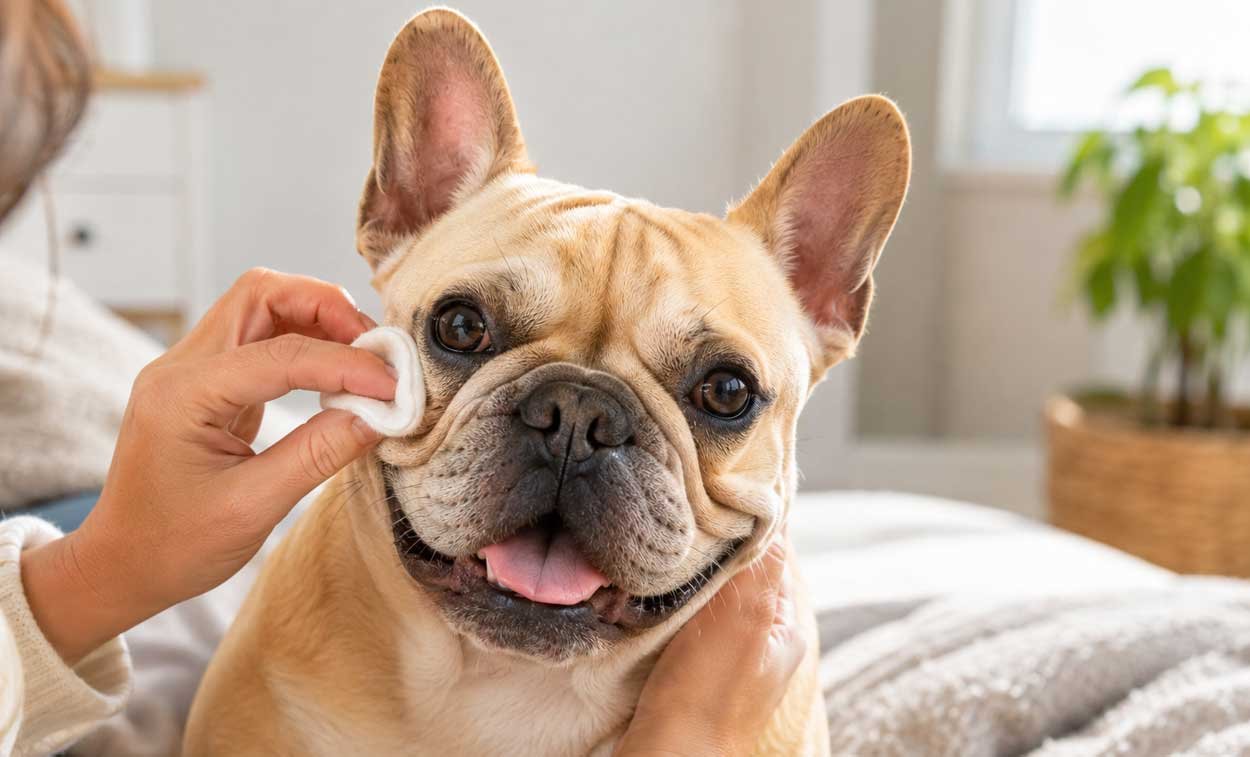
French Bulldogs have short coats, but they still need consistent grooming.
Adult grooming is not only about keeping your dog looking good—it is also a chance to notice changes early.
A simple routine includes:
Coat Care
Brush your Frenchie once or twice a week to remove loose hair and keep the coat healthy.
Regular brushing is a simple way to remove loose hair and keep your Frenchie’s coat healthy. A soft grooming brush or rubber grooming mitt makes this routine quick and comfortable.
Amazon Product:
Rubber Grooming Brush for Dogs
👉 Check Price on Amazon
Wrinkle Care
Facial wrinkles should be checked regularly because moisture and debris can cause irritation.
Keep folds:
- Clean
- Dry
- Free from redness or unusual odor
Ear Care
Check ears regularly for:
- Bad smell
- Excess wax
- Redness
- Scratching
Nail Care
Long nails can affect how your Frenchie walks and may create discomfort.
Regular trimming helps maintain proper movement.
Adult French Bulldogs need simple but consistent grooming habits. Our French Bulldog Grooming Guide explains wrinkle care, coat maintenance, ear cleaning, and other grooming essentials in detail.
Dental Care: A Routine That Should Not Be Ignored
Dental health is one of the most overlooked parts of adult French Bulldog care.
Many owners notice problems with their dog’s teeth only after bad breath, difficulty chewing, or visible tartar appears. However, dental issues usually develop slowly over time.
By the adult years, regular dental care becomes even more important.
Poor dental hygiene can contribute to:
- Gum irritation
- Tooth decay
- Pain while eating
- Difficulty chewing
- More serious health concerns
A simple dental routine can make a big difference.
Try to:
- Brush your Frenchie’s teeth several times a week
- Use dog-specific toothpaste
- Provide veterinarian-approved dental products
- Schedule professional cleanings when recommended
The earlier dental care becomes part of your routine, the easier it is to maintain as your French Bulldog gets older.
Dental care is easier when you have the right tools at home. A dog toothbrush kit can help owners maintain a consistent oral care routine between professional checkups.
Amazon Product:
Dog Toothbrush & Toothpaste Kit
👉 View Dental Care Products
Common Health Issues in Adult French Bulldogs

French Bulldogs are loving, playful companions, but their unique body structure means they can be more likely to experience certain health concerns.
During the 4–8 year stage, the goal is not to worry about every possible problem. It is to recognize changes early and provide proper care.
For a complete overview of breed-specific conditions, prevention tips, and warning signs, explore our French Bulldog Health Guide.
Breathing Problems
French Bulldogs can be affected by Brachycephalic Obstructive Airway Syndrome (BOAS), a condition related to their shortened skull shape.
Some snoring and noisy breathing can be common in the breed, but owners should pay attention to changes.
Signs that deserve attention include:
- Difficulty during normal walks
- Heavy breathing after light activity
- Longer recovery time after exercise
- Increased breathing noise
- Avoiding activities they previously enjoyed
If your Frenchie suddenly struggles more than before, it is worth discussing with your veterinarian.
Skin Allergies and Sensitive Skin
Many adult French Bulldogs deal with skin sensitivity.
Allergies can appear as:
- Constant scratching
- Paw licking
- Red skin
- Ear irritation
- Repeated skin infections
Possible triggers include:
- Environmental allergies
- Food sensitivities
- Fleas
- Seasonal changes
Keeping a simple record of symptoms can help identify patterns.
For example:
- When itching starts
- Which areas are affected
- Any food changes
- Changes in environment
This information can be useful during veterinary visits.
Joint and Mobility Changes
Some French Bulldogs begin showing early mobility changes during adulthood.
You may notice:
- Slower movement
- Less interest in jumping
- Stiffness after sleeping
- Difficulty climbing stairs
These changes should not always be considered a normal part of aging.
Maintaining a healthy weight and providing regular, gentle exercise are two of the best ways to support mobility.
Providing a comfortable sleeping area can also support joint comfort, especially as adult French Bulldogs become less interested in sleeping on hard surfaces.
Amazon Product:
Orthopedic Dog Bed
👉 Check Price on Amazon
Eye Care
French Bulldogs have large, expressive eyes, but their eye structure also makes them more vulnerable to irritation.
Watch for:
- Excessive tearing
- Redness
- Squinting
- Cloudiness
- Unusual discharge
Eye problems can sometimes progress quickly, so noticeable changes should be checked by a professional.
Preventive Veterinary Care for Adult French Bulldogs
A healthy-looking dog still needs regular veterinary care.
Many health problems are easier to manage when found early.
A yearly wellness exam allows your veterinarian to monitor:
- Weight changes
- Heart and lung health
- Dental condition
- Skin problems
- Joint movement
- Vaccination needs
- Parasite prevention
For some adult French Bulldogs, your veterinarian may recommend additional checks depending on their health history.
Regular visits are not only for treating illness—they are an important part of keeping your Frenchie healthy.
Your veterinarian can help create a care plan based on your French Bulldog’s weight, activity level, and health history.
Creating a Comfortable Daily Routine
Adult French Bulldogs usually thrive with consistency.
They enjoy knowing what to expect each day, and a predictable routine can help reduce stress.
A simple adult Frenchie schedule may look like this:
Morning
- Fresh water
- Breakfast
- Short walk
- Bathroom break
Afternoon
- Rest time
- Puzzle toy or enrichment activity
- Quick check-in
Evening
- Dinner
- Gentle play or walk
- Family time
- Wrinkle and skin check
The routine does not need to be complicated.
Small habits repeated every day often have the biggest impact.
Signs Your Adult French Bulldog Is Healthy
Every French Bulldog has a unique personality, but a healthy adult Frenchie usually shows these signs:
- They eat normally and maintain a healthy appetite
- They are comfortable during walks and regular activities
- Their weight stays steady without becoming overweight
- They remain curious, alert, and interested in their surroundings
- Their skin, ears, and coat look healthy
- They enjoy spending time with you and the family
- Their daily bathroom routine stays consistent
- They still get excited about playtime and outdoor activities
You know your dog better than anyone.
If something feels different, such as a change in energy, appetite, movement, or behavior, it is worth paying attention.
Common Mistakes Adult French Bulldog Owners Should Avoid
Even experienced owners can make small mistakes.
Avoid these common problems:
-
Overfeeding Because They Beg
French Bulldogs are experts at making owners feel guilty.
Remember that extra treats add up quickly.
-
Reducing Exercise Too Much
A calmer adult dog still needs movement.
Too little activity can lead to weight gain and muscle loss.
-
Ignoring Dental Care
Dental problems often develop quietly before becoming painful.
-
Assuming Breathing Issues Are Always Normal
Some breathing sounds are common, but worsening symptoms should not be ignored.
-
Skipping Routine Checkups
Preventive veterinary care can identify problems before they become serious.
Frequently Asked Questions
At what age is a French Bulldog considered an adult?
Most French Bulldogs are considered adults around 4 years old. They usually remain in the adult stage until around 8 years, although every dog ages differently.
How much exercise does an adult French Bulldog need?
Most adult French Bulldogs benefit from daily moderate activity, such as short walks and play sessions. The exact amount depends on your dog’s health, energy level, and comfort.
Do adult French Bulldogs need different food than younger dogs?
Yes. Adult French Bulldogs usually need nutrition focused on maintaining a healthy weight rather than supporting growth. Portion control becomes especially important during these years.
How can I keep my adult French Bulldog healthy?
The best approach is consistency:
- Feed a balanced diet
- Maintain a healthy weight
- Provide safe daily exercise
- Continue grooming
- Care for their teeth
- Schedule regular veterinary visits
When should I worry about changes in my adult French Bulldog?
Contact your veterinarian if you notice sudden changes such as breathing difficulty, loss of appetite, unusual tiredness, repeated vomiting, major weight changes, or problems walking.
If you are raising a younger French Bulldog, our French Bulldog Puppy Care Guide covers feeding, training, and essential care during the first year.
Final Thoughts about Adult French Bulldog Care Guide (4–8 Years)
The adult years are a special time in your French Bulldog’s life.
Your Frenchie has developed their personality, formed strong family bonds, and become the loyal companion you always hoped for. Now the focus is keeping them comfortable, healthy, and enjoying everyday life.
The best Adult French Bulldog Care Guide is not about complicated routines or expensive products. It is about paying attention to the small things that matter:
A balanced diet.
A healthy weight.
Regular movement.
Good grooming habits.
Dental care.
Preventive veterinary visits.
Every French Bulldog is different. Some remain playful and energetic at eight years old, while others prefer a slower pace.
By understanding your dog’s individual needs and making small adjustments along the way, you can help your Frenchie enjoy many happy years as a loved member of your family.
Disclaimer:
This article is for informational purposes only and is not a substitute for professional veterinary advice. Every French Bulldog has unique health needs, so always consult your veterinarian for personalized guidance regarding your dog’s diet, exercise, and medical care.