Senior French Bulldog Care Guide (8+ Years): How to Keep Your Older Frenchie Healthy, Comfortable & Happy
Senior French Bulldog Care Guide (8+ Years)
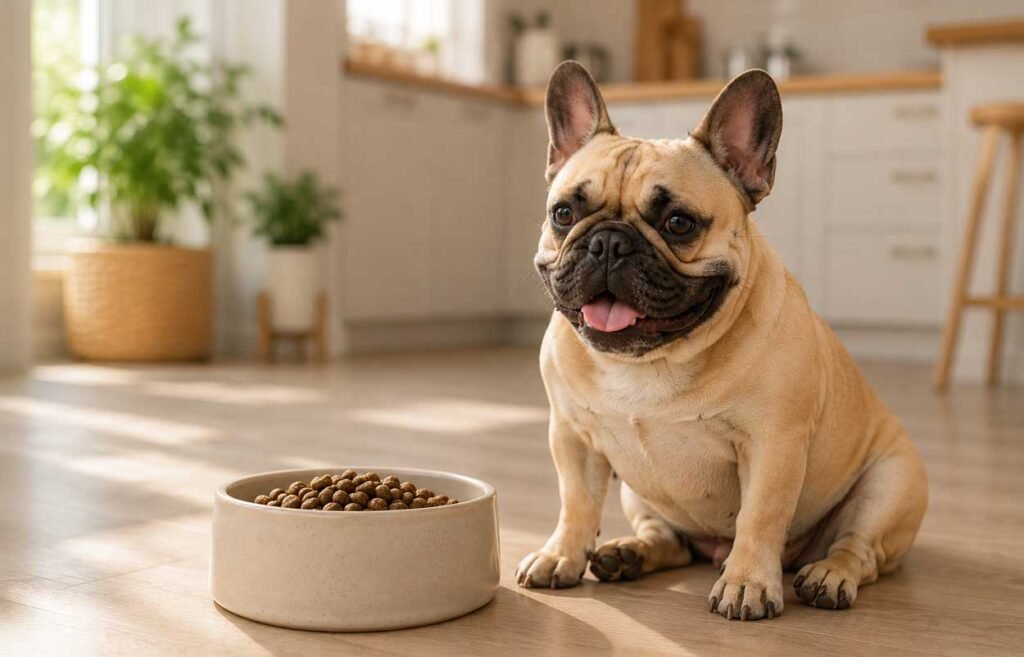
Watching your French Bulldog enter their senior years can bring a mix of emotions. The little companion who once filled your home with puppy energy may now prefer slower walks, longer naps, and more quiet time beside you. But getting older does not mean your Frenchie stops enjoying life—it simply means their needs begin to change.
Many French Bulldogs are considered seniors around 8 years old, although every dog ages at a different pace. This does not mean your Frenchie suddenly becomes old or stops enjoying life. Many senior French Bulldogs still love short walks, playtime, treats, and being involved in family activities.
However, their needs start to change.
A senior French Bulldog may need a different diet, more comfortable sleeping arrangements, gentler exercise, and closer health monitoring. Small changes that might have been ignored when they were younger can become more important as their body ages.
The goal of senior care is not to slow your Frenchie down completely. It is to help them stay comfortable, confident, and happy while supporting their changing body.
A good senior care routine focuses on prevention, comfort, and paying attention to small details. Things like maintaining a healthy weight, protecting joints, caring for teeth, and visiting the veterinarian regularly can make a meaningful difference in your dog’s quality of life.
This Senior French Bulldog Care Guide is designed to help you understand what your older Frenchie needs and how simple daily care can keep them healthy, comfortable, and happy throughout their senior years.
If your French Bulldog is younger, you can also read our guides on Young Adult French Bulldog Care (1–4 Years) and Adult French Bulldog Care (4–8 Years) to understand how their needs change throughout life.
Senior French Bulldog Care at a Glance
| Care Area | What Your Senior Frenchie Needs |
| Age Range | 8+ Years |
| Diet | Balanced senior-friendly nutrition with controlled portions |
| Exercise | Gentle daily movement based on comfort level |
| Grooming | Regular coat, wrinkle, ear, nail, and dental care |
| Weight Goal | Maintain a healthy body condition |
| Vet Care | Regular wellness exams and health monitoring |
| Main Focus | Comfort, mobility, prevention, and quality of life |
Understanding the Senior French Bulldog Stage
Every French Bulldog ages differently.
Some Frenchies remain energetic and playful well into their senior years, while others naturally become calmer and prefer shorter activities. Age alone does not determine how your dog feels—overall health, genetics, lifestyle, and previous care all play a role.
After 8 years old, many owners notice subtle changes such as:
- Sleeping more during the day
- Taking longer to get up after resting
- Walking a little slower
- Becoming less interested in intense play
- Preferring familiar routines
- Needing more rest after activity
These changes are often normal parts of aging, but they should not be ignored completely.
Senior dogs cannot always communicate discomfort clearly. A French Bulldog that avoids stairs, hesitates before jumping onto furniture, or becomes less active may not simply be “getting old.” These could be signs of joint discomfort, pain, weight issues, or other health concerns.
The best senior French Bulldog owners learn to notice these small changes early.
How Senior French Bulldogs Are Different From Younger Dogs
The biggest difference between a younger French Bulldog and a senior Frenchie is that the focus shifts from building strength to protecting comfort and maintaining health.
During the younger years, owners often focus on:
- Training
- Socialization
- Exercise
- Building good habits
If you are raising a younger French Bulldog, our French Bulldog Puppy Care Guide explains the basics of feeding, training, and early development.
During the senior years, priorities usually become:
- Maintaining mobility
- Supporting joint health
- Preventing unnecessary weight gain
- Monitoring health changes
- Creating a comfortable daily routine
Your French Bulldog may not need the same amount of activity as before, but they still need engagement and interaction.
Senior dogs often enjoy simple things just as much as younger dogs:
- A relaxed walk outside
- Sitting with their family
- Gentle play
- Sniffing around the yard
- Learning simple games
Keeping their mind active is just as important as caring for their body.
Nutrition for Senior French Bulldogs
The Nutrition is one of the most important parts of any Senior French Bulldog Care Guide, as the right diet helps support healthy aging, mobility, and overall well-being.
Nutrition becomes even more important as your French Bulldog gets older.
For a complete breakdown of French Bulldog nutrition, food choices, feeding schedules, and healthy treats, check out our French Bulldog Feeding Guide.
A senior Frenchie usually does not need the same calorie intake as a younger adult because activity levels often decrease. Continuing the same feeding habits from earlier years can sometimes lead to gradual weight gain.
Extra weight is especially challenging for French Bulldogs because of their unique body structure.
Carrying extra pounds can increase stress on:
- Joints
- Spine
- Heart
- Breathing system
A healthy senior diet should support:
- Healthy body weight
- Muscle maintenance
- Digestive health
- Skin and coat condition
- Overall energy levels
The right food choice depends on your individual dog. Some senior French Bulldogs do well with a regular adult formula, while others may benefit from a senior-specific diet depending on their health needs.
Always consider factors such as:
- Current weight
- Activity level
- Dental condition
- Allergies or sensitivities
- Veterinary recommendations
Portion Control Becomes More Important
One of the easiest mistakes owners make with senior French Bulldogs is continuing the same feeding routine they used when their dog was younger.
A Frenchie may still look at you with those familiar begging eyes, but their body may not burn calories the same way anymore.
Instead of adding extra treats or larger portions, focus on:
- Measuring meals consistently
- Choosing healthy treats
- Avoiding unnecessary table scraps
- Monitoring body condition regularly
A healthy senior French Bulldog should still have a visible waist and should not carry excessive fat around the ribs or abdomen.
Keeping your Frenchie lean is one of the simplest ways to support mobility and comfort during the senior years.
A slow feeder bowl can also be helpful for French Bulldogs that eat too quickly. Slowing down mealtime may encourage better eating habits and make meals more engaging.
Amazon Product:
👉 Slow Feeder Dog Bowl
👉 Check Price on Amazon
Supporting Joint Health in Older French Bulldogs
Joint care becomes one of the biggest priorities for many senior French Bulldogs.
You can learn more about common breed-related concerns, prevention, and long-term wellness in our French Bulldog Health Guide.
Because Frenchies have a compact body shape and are prone to certain orthopedic issues, protecting their joints throughout life is important.
As dogs age, some may experience:
- Stiffness after sleeping
- Difficulty climbing stairs
- Slower walking speed
- Less interest in jumping
- Trouble getting comfortable
These changes can sometimes happen gradually, making them easy to overlook.
You can support your senior Frenchie’s joints with simple daily habits. Keeping a healthy weight, encouraging gentle movement, avoiding unnecessary jumping, and providing a comfortable resting place can all help protect mobility.
Regular movement is important. Completely limiting activity can actually lead to weaker muscles and reduced mobility.
The goal is gentle, consistent movement—not exhausting exercise.
Exercise Needs for Senior French Bulldogs
Many owners assume that older dogs no longer need exercise. This is a common mistake.
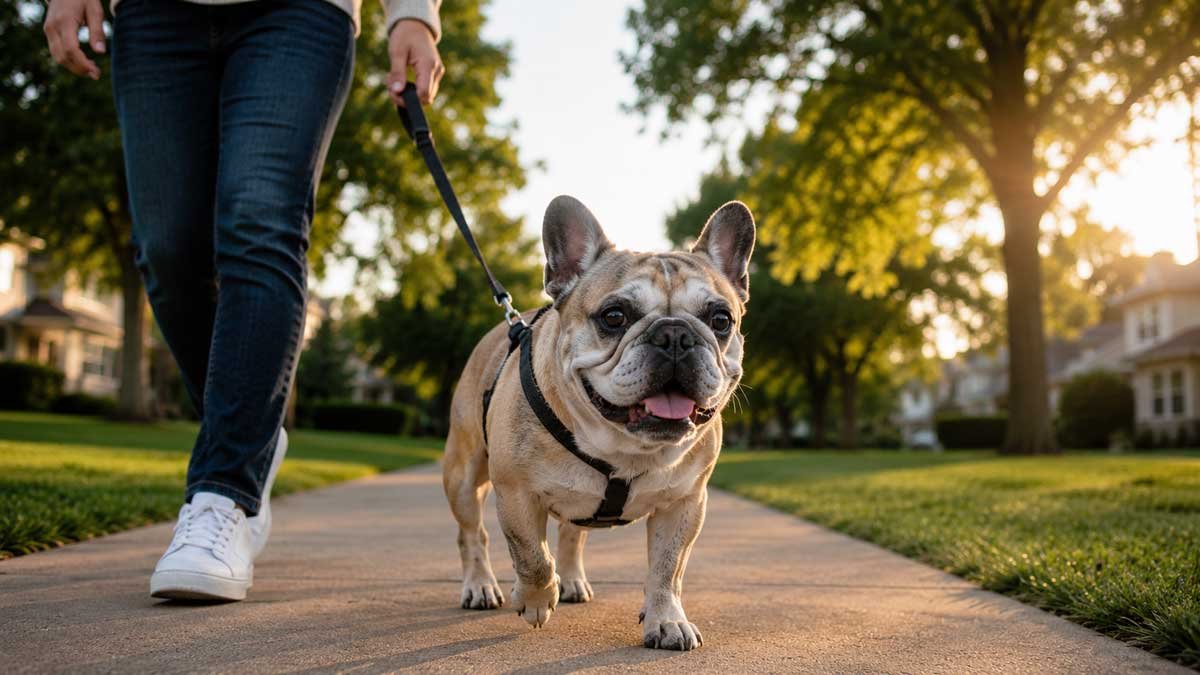
While a senior French Bulldog may not have the same energy level as a two-year-old Frenchie, regular movement is still extremely important. Gentle exercise helps maintain muscle strength, supports joints, improves circulation, and keeps your dog mentally engaged.
The key is changing the type of activity.
Senior French Bulldogs usually do better with:
- Short, relaxed walks
- Gentle indoor play
- Sniffing activities
- Slow-paced exploration
- Simple training games
Mental stimulation is especially valuable for senior dogs. Our French Bulldog Training Guide shares positive training methods and enrichment ideas that work well for this breed.
A 10–15 minute walk may be more beneficial than a long, tiring outing.
Always pay attention to your Frenchie’s body language. If they slow down, sit frequently, breathe heavily, or seem uncomfortable, it may be time to reduce the intensity.
Remember, the goal of senior exercise is not fitness competition. It is helping your French Bulldog stay mobile and enjoy everyday life.
Protecting Your Senior French Bulldog From Overheating
Heat safety remains important throughout your Frenchie’s entire life, but it becomes even more important as dogs get older.
French Bulldogs already have a higher risk of breathing difficulties because of their short nose structure. Senior dogs may handle heat and physical stress less efficiently than younger dogs.
During warmer months:
- Walk during cooler parts of the day
- Avoid hot pavement
- Provide fresh water
- Allow frequent rest breaks
- Keep outdoor activities short
- Never leave your Frenchie in a parked car
Signs of overheating can include:
- Excessive panting
- Heavy breathing
- Weakness
- Drooling
- Confusion
- Collapse
If your senior French Bulldog struggles with breathing or heat, contact your veterinarian for guidance.
Grooming Your Senior French Bulldog
Senior French Bulldogs still need regular grooming, even if they are less active.
In fact, grooming becomes an important health check during the later years. While brushing or cleaning your dog, you may notice changes such as skin irritation, lumps, ear problems, or coat changes.
Grooming needs may change as your Frenchie gets older. Our French Bulldog Grooming Guide covers wrinkle care, coat maintenance, ear cleaning, and dental habits in detail.
A simple senior grooming routine includes:
Coat Care
French Bulldogs have short coats, but they continue to shed.
Weekly brushing helps:
- Remove loose hair
- Keep the skin healthy
- Spread natural oils
- Reduce shedding around your home
A soft grooming brush or rubber grooming mitt is usually comfortable for older dogs, especially those with sensitive skin.
A gentle grooming brush or rubber mitt is usually comfortable for senior French Bulldogs because it removes loose hair without being harsh on sensitive skin.
Amazon Product:
👉 Rubber Grooming Brush for French Bulldogs
👉 Recommended Grooming Tool
Wrinkle and Skin Fold Care
Those adorable facial wrinkles still require attention.
As dogs age, some may become less flexible and less able to keep themselves clean. Moisture, food particles, and dirt can collect inside skin folds.
Check wrinkles regularly for:
- Redness
- Moisture
- Bad odor
- Irritation
- Dark buildup
Keeping wrinkles clean and dry helps prevent discomfort and skin infections.
Ear and Nail Care
Senior dogs may need more frequent checks because small issues can become uncomfortable quickly.
Look for:
- Ear odor
- Excess wax
- Scratching
- Redness
Long nails can also affect walking and posture. Keeping nails trimmed helps your Frenchie move more comfortably.
Senior Dental Care: One of the Most Important Areas
Dental health becomes increasingly important as your French Bulldog gets older.
Many owners focus on food, exercise, and joints but forget that dental problems can affect a dog’s overall comfort.
Signs of dental problems may include:
- Bad breath
- Difficulty chewing
- Dropping food
- Less interest in eating
- Excessive drooling
A good dental routine includes:
- Brushing teeth regularly with dog-safe toothpaste
- Using veterinarian-approved dental products
- Scheduling professional dental cleanings when recommended
Starting and maintaining dental care can help your senior Frenchie stay comfortable while eating and enjoying daily life.
Maintaining a simple dental routine at home becomes even more important as dogs get older. A dog toothbrush and pet-safe toothpaste can help owners build consistent dental habits between professional cleanings.
Amazon Product:
👉 Dog Toothbrush & Toothpaste Kit
👉 View Dental Care Products
Common Health Concerns in Senior French Bulldogs
Senior French Bulldogs can develop different health concerns as they age. This does not mean every older Frenchie will experience these problems, but knowing the warning signs helps owners take action earlier.
Breathing Changes
Breathing issues are one of the most important areas to monitor in French Bulldogs of all ages.
As a senior dog, your Frenchie may become less tolerant of exercise or heat.
Pay attention to changes such as:
- Increased breathing noise
- Difficulty recovering after short walks
- Avoiding activity
- Heavy breathing while resting
- Blue or pale gums, which can indicate a serious breathing problem.
Some snoring can be normal for French Bulldogs, but a noticeable change from your dog’s usual breathing pattern deserves attention.
Arthritis and Mobility Problems
Joint stiffness is common in many senior dogs.
You may notice your French Bulldog:
- Taking longer to stand up
- Avoiding stairs
- Sleeping more
- Walking slower
- Hesitating before jumping
Do not assume these changes are simply part of aging.
Your veterinarian can help evaluate mobility changes and suggest ways to improve comfort.
Small adjustments can make a big difference, such as:
- Providing supportive bedding
- Using non-slip mats on slippery floors
- Keeping your dog at a healthy weight
- Maintaining gentle exercise
Vision and Eye Care
French Bulldogs have large, expressive eyes, which require attention throughout their lives.
Senior dogs may experience age-related eye changes.
Watch for:
- Cloudiness
- Redness
- Squinting
- Excessive tearing
- Bumping into objects
Any sudden vision change should be discussed with a veterinarian.
Early attention can help protect your dog’s comfort and quality of life.
Skin and Allergy Changes
Many French Bulldogs have sensitive skin, and this may continue into their senior years.
Older dogs may experience:
- Dry skin
- Increased itching
- Repeated ear problems
- Skin irritation
- Changes in coat quality
Regular grooming and observation can help you notice problems early.
If your Frenchie suddenly starts scratching more than usual, it is worth investigating the cause instead of assuming it is normal.
Cognitive Changes in Senior French Bulldogs
Some older dogs experience changes in memory, awareness, or sleep patterns.
Possible signs include:
- Appearing confused
- Getting stuck in corners
- Restlessness at night
- Changes in familiar behaviors
- Increased anxiety
Keeping a predictable routine can help senior dogs feel secure.
Simple mental activities such as gentle training, scent games, and interaction with family members can also provide valuable stimulation.
Creating a Comfortable Home for Your Senior Frenchie
Comfort becomes a bigger priority as your French Bulldog gets older.
Small changes around your home can make everyday life easier.
Consider:
A Supportive Bed
Older dogs often appreciate a comfortable sleeping area that supports joints and provides warmth.
A good bed should:
- Be easy to enter and exit
- Provide cushioning
- Keep your dog comfortable while resting
A supportive orthopedic dog bed can make resting more comfortable for senior French Bulldogs, especially those who experience stiffness after sleeping or spending more time resting during the day. Look for a bed with good cushioning, easy-to-clean material, and enough support for your dog’s body.
Amazon Product:
👉 Orthopedic Dog Bed for Senior Dogs
👉 Check Price on Amazon
Safer Floors
French Bulldogs can struggle on slippery surfaces as they age.
Adding rugs or non-slip mats can help prevent slipping and make movement easier.
Easy Access
If your Frenchie struggles with stairs or jumping:
- Limit unnecessary climbing
- Keep food and water easily accessible
- Consider ramps or steps if appropriate
The goal is making your home work better for your senior companion.
Many senior French Bulldogs benefit from using pet ramps or steps to reduce repeated jumping from furniture or vehicles. This can be especially helpful for dogs with joint stiffness or mobility concerns.
Amazon Product:
👉 Dog Ramp or Pet Steps for Small Dogs
👉 View on Amazon
Veterinary Care for Senior French Bulldogs
Regular veterinary care becomes even more important after your French Bulldog reaches senior years.
Senior dogs often benefit from more detailed health monitoring because changes can develop gradually.
Every Senior French Bulldog Care Guide should include regular veterinary checkups because many age-related health problems are easier to manage when they are detected early.
Routine visits allow your veterinarian to check:
- Weight and body condition
- Teeth and gums
- Heart and lungs
- Joint movement
- Skin health
- Overall wellness
Your veterinarian may also recommend additional testing depending on your dog’s age, lifestyle, and health history.
Preventive care is one of the best ways to support a longer, healthier life.
When Should You Call Your Veterinarian?
Contact your veterinarian if you notice:
- Sudden breathing difficulty
- Loss of appetite for more than a day
- Sudden weight loss
- Difficulty standing or walking
- Major behavior changes
Building a Simple Senior French Bulldog Daily Routine
Senior dogs usually appreciate consistency.
A predictable routine can help your Frenchie feel comfortable and reduce stress.
Example:
Morning
- Fresh water
- Breakfast
- Short gentle walk
- Bathroom break
Afternoon
- Rest time
- Light enrichment activity
- Relaxation with family
Evening
- Dinner
- Calm play or short walk
- Grooming check
- Comfortable bedtime
The routine does not need to be complicated.
The most important thing is spending quality time together and noticing changes early.
Signs Your Senior French Bulldog Is Doing Well
Every dog ages differently, but a healthy senior French Bulldog often shows signs like:
- Enjoys spending time with family
- Eats normally and maintains a healthy appetite
- Has comfortable breathing
- Shows interest in walks, play, or daily activities
- Maintains a healthy body condition
- Has clean skin and ears
- Sleeps comfortably
- Responds normally to familiar people
The goal is not keeping your Frenchie acting like a puppy forever.
The goal is helping them enjoy life at their own pace.
Common Mistakes Senior French Bulldog Owners Should Avoid
-
Stopping Exercise Completely
Older dogs still need movement. Too little activity can lead to muscle loss and stiffness.
-
Ignoring Small Changes
Changes in appetite, breathing, movement, or behavior should not be overlooked.
-
Allowing Weight Gain
Extra weight can make many age-related problems worse.
-
Skipping Dental Care
Dental issues can affect comfort and overall health.
-
Changing Their Routine Too Quickly
Senior dogs often feel more secure with familiar schedules and environments.
Frequently Asked Questions
At what age is a French Bulldog considered a senior?
Most French Bulldogs are considered seniors around 8 years old, although aging depends on individual health, genetics, and lifestyle.
Do senior French Bulldogs need less exercise?
They usually need less intense exercise, but regular gentle movement is still important for maintaining strength and mobility.
Should I change my senior French Bulldog’s food?
Some senior dogs benefit from dietary adjustments, but the best choice depends on your dog’s health, weight, and veterinarian recommendations.
How can I make my senior French Bulldog more comfortable?
Maintain a healthy weight, provide comfortable bedding, support joint health, continue grooming, and keep regular veterinary appointments.
Final Thoughts about Senior French Bulldog Care Guide
Following a Senior French Bulldog Care Guide is one of the best ways to help your Frenchie enjoy a longer, healthier, and more comfortable life. With consistent care and regular veterinary support, your senior companion can continue to thrive for years to come.
Your Frenchie may move a little slower, sleep a little more, and prefer a calmer routine, but they still have the same loving personality that made you fall in love with the breed.
Caring for an older French Bulldog is about paying attention to the details:
A comfortable place to rest.
A healthy diet.
Gentle daily movement.
Regular grooming.
Dental care.
Preventive veterinary visits.
And most importantly, patience and companionship.
Every senior French Bulldog has different needs. Some enjoy adventures well into their later years, while others prefer peaceful days at home with their family.
By adjusting your care routine and supporting your Frenchie’s changing needs, you can help them enjoy their golden years with comfort, dignity, and happiness.
Disclaimer: This article is for informational purposes only and does not replace professional veterinary advice. Always consult your veterinarian if your French Bulldog shows signs of illness, pain, breathing problems, or sudden changes in behavior.
Affiliate Disclosure: This article may contain affiliate links. If you purchase through these links, we may earn a small commission at no extra cost to you. We only recommend products we believe are useful for French Bulldog owners.