
Young Adult French Bulldog Care Guide (1–4 Years): Everything You Need to Keep Your Frenchie Healthy and Happy
Young Adult French Bulldog Care Guide (1–4 Years)
If you’ve made it through the puppy stage, congratulations—you’ve survived the chewing, zoomies, potty training, and sleepless nights. Now your French Bulldog is entering one of the most enjoyable phases of life: young adulthood.
Between 1 and 4 years old, your Frenchie is stronger, more confident, and full of personality. This is also the stage where lifelong habits are formed. A balanced diet, proper exercise, consistent training, and regular veterinary care can help your dog stay healthy for years to come.
Although young adult French Bulldogs are generally healthier than puppies or seniors, they’re still prone to breed-specific issues like obesity, allergies, overheating, and breathing problems. Knowing how to prevent these issues is just as important as treating them.
This guide covers everything you need to know about caring for a young adult French Bulldog—from daily routines and nutrition to exercise, grooming, and preventive healthcare.
Pro Tip: While every French Bulldog is different, many owners notice that the biggest changes between one and four years old aren’t physical—they’re behavioral. This is the stage where consistent routines, weight management, and preventive care have the greatest long-term impact.
At a Glance: Young Adult French Bulldog Care (1–4 Years)
| Care Factor | Recommendation |
|---|---|
| Age | 1–4 Years |
| Meals | 2 meals per day |
| Exercise | 30–45 minutes daily |
| Grooming | Brush weekly; clean wrinkles and ears regularly |
| Vet Visits | Annual wellness checkup |
| Weight Goal | Maintain a lean, healthy body condition |
| Biggest Health Risks | Obesity, overheating, allergies, and breathing issues |
Example: A two-year-old French Bulldog that gets two short walks, a balanced diet, and daily enrichment is often calmer indoors than one that receives little exercise. Many behavior issues that seem like “stubbornness” are actually signs of boredom.
Common Mistakes to Avoid
- Overfeeding because your Frenchie always looks hungry.
- Exercising during the hottest part of the day.
- Ignoring wrinkles until irritation appears.
- Skipping annual wellness exams.
- Giving too many treats.
Understanding the Young Adult Stage
Most French Bulldogs reach physical maturity around 12 months, while many continue to mature mentally until about 2–3 years of age. For this guide, we define the young adult stage as 1–4 years.
By this point, your dog has reached nearly full physical size, but mental maturity develops more gradually. Many owners notice that their Frenchie becomes calmer than they were as a puppy, yet they still have bursts of playful energy.
During this stage, your dog should:
- Maintain a healthy weight
- Build strong muscles
- Develop confidence around people and other pets
- Continue learning good manners
- Stay mentally stimulated every day
Think of this stage as laying the foundation for a long, healthy life. The habits you establish now often determine how healthy your Frenchie will be later.
What Changes After Puppyhood?
Many first-time owners assume that once their dog turns one year old, the hard work is over.
Not exactly.
Instead of teaching basic life skills, your focus shifts toward maintaining your dog’s health and preventing common problems before they develop.
Here’s what typically changes:
| Puppy Stage | Young Adult Stage |
| Rapid growth | Stable body weight |
| Multiple meals daily | 2 balanced meals |
| Frequent vaccinations | Annual wellness visits |
| Basic obedience | Reinforcing good behavior |
| Constant supervision | More independence |
| High chewing phase | Mental stimulation becomes important |
This transition is why many veterinarians recommend switching from puppy food to adult food around one year of age, unless advised otherwise.
Feeding Your Young Adult French Bulldog
Nutrition has one of the biggest impacts on your Frenchie’s overall health.
French Bulldogs love food—and they’ll happily convince you they’re starving even after finishing dinner. Unfortunately, this breed is also one of the easiest to overfeed.
Extra weight doesn’t just affect appearance. It increases pressure on joints, makes breathing more difficult, and raises the risk of diabetes and heart disease.
For a complete breakdown of what to feed your French Bulldog at every stage of life, check out our detailed French Bulldog Feeding Guide.
How Much Should a Young Adult French Bulldog Eat?
The right amount depends on several factors:
- Age
- Weight
- Activity level
- Metabolism
- Whether they’re spayed or neutered
Rather than measuring by cups alone, it’s better to follow your veterinarian’s feeding recommendation based on your dog’s body condition.
A healthy French Bulldog should have:
- A visible waist when viewed from above
- A tucked abdomen from the side
- Ribs that can be felt without pressing hard
If you can’t easily feel your dog’s ribs, they’re probably carrying extra weight.
Choose High-Quality Dog Food
Not all dog foods are created equal.
Look for foods where real meat is the first ingredient.
Good protein sources include:
- Chicken
- Turkey
- Salmon
- Lamb
- Beef
Healthy ingredients such as sweet potatoes, brown rice, pumpkin, blueberries, and fish oil provide additional nutrients that support digestion, skin health, and joint function.
Avoid foods loaded with:
- Artificial colors
- Cheap fillers
- Excess corn syrup
- High sugar content
- Unnecessary preservatives
A premium diet often leads to healthier skin, better digestion, and improved energy.
Choosing the right food bowl can also make mealtime more comfortable for French Bulldogs. Because many Frenchies eat quickly, a slow feeder bowl can help encourage slower eating and better digestion.
Amazon Product:
Feeding Schedule
Most healthy young adult French Bulldogs do well with:
- Breakfast
- Dinner
Splitting meals into two portions helps maintain steady energy levels and may reduce digestive discomfort.
Avoid leaving food out all day. Scheduled meals make it easier to monitor appetite, which can be an early sign of illness if it changes suddenly.
Healthy Treats
Treats are useful for training, but they shouldn’t replace balanced meals.
Good options include:
- Small carrot slices
- Blueberries
- Apple pieces (without seeds)
- Green beans
- Freeze-dried meat treats
Treats should make up less than 10% of your dog’s daily calorie intake.
Remember: every extra snack counts.
Exercise: Finding the Right Balance

French Bulldogs aren’t marathon runners.
But they also aren’t couch potatoes.
Young adults need daily activity to stay fit, maintain a healthy weight, and prevent boredom.
The goal isn’t exhausting your dog.
The goal is keeping them physically and mentally engaged.
Daily Exercise Needs
A healthy young adult French Bulldog usually benefits from:
- Two short walks each day
- Interactive play sessions
- Puzzle toys
- Training games
- Indoor play during bad weather
Most Frenchies enjoy about 30–45 minutes of activity daily, divided into shorter sessions.
Avoid Overheating
This is one of the most important things every French Bulldog owner should know.
Because French Bulldogs have short noses, they struggle to cool themselves efficiently.
Heat can become dangerous much faster than it does for other breeds.
During warm weather:
- Walk early in the morning.
- Go outside after sunset.
- Carry fresh water.
- Take frequent breaks.
- Avoid hot pavement.
- Never leave your Frenchie inside a parked car.
If your dog starts breathing heavily, slowing down, drooling excessively, or collapsing, seek veterinary care immediately.
Heatstroke is a medical emergency.
Keep Their Mind Busy
Exercise isn’t only about physical activity.
Mental stimulation tires dogs just as effectively.
Without enough mental enrichment, French Bulldogs may develop unwanted behaviors like:
- Barking
- Chewing furniture
- Digging
- Attention-seeking
- Restlessness
Simple enrichment ideas include:
- Food puzzles
- Snuffle mats
- Hide-and-seek games
- Learning new tricks
- Rotating toys every few days
Even 15 minutes of brain work can make a noticeable difference.
Mental stimulation is just as important as physical exercise. Interactive puzzle toys can keep your French Bulldog entertained while helping reduce boredom and unwanted behaviors.
Amazon Product:
Continue Training—Don’t Stop After Puppyhood
Many owners stop training after their dog learns “sit” and “stay.”
That’s a missed opportunity.
Young adulthood is when your Frenchie becomes more confident and may start testing boundaries.
Consistent training keeps communication clear and strengthens your bond.
Focus on reinforcing:
- Loose-leash walking
- Reliable recall
- Waiting politely before meals
- Greeting visitors calmly
- Ignoring distractions outdoors
Keep sessions short, positive, and rewarding. Five to ten minutes a day is often enough.
French Bulldogs respond best to praise, treats, and patience—not punishment.
Young adulthood is also the perfect time to reinforce obedience and build better habits. If you want a complete step-by-step approach, read our French Bulldog Training Guide for techniques that work well for this intelligent but sometimes stubborn breed.
Positive reinforcement works especially well with French Bulldogs. A comfortable training treat pouch makes it easier to reward good behavior during walks and training sessions.
Amazon Product:
👉 Training Essentials for French Bulldogs
Socialization Still Matters
Socialization doesn’t end after puppyhood.
Young adult French Bulldogs should continue having positive experiences with:
- New people
- Friendly dogs
- Different environments
- Sounds
- Car rides
- Grooming appointments
These regular experiences help build confidence and reduce fear-based behaviors later in life.
Quality is more important than quantity. A calm, positive outing is far more beneficial than an overwhelming trip to a crowded dog park.
Young Adult French Bulldog Care Guide: Grooming Tips for a Healthy Coat

One of the reasons French Bulldogs are so popular is their low-maintenance coat. They don’t need frequent haircuts or professional grooming like many long-haired breeds. However, “low maintenance” doesn’t mean “no maintenance.”
Their facial wrinkles, ears, nails, and teeth all require regular care to prevent common health problems.
A simple weekly grooming routine can help your Frenchie stay comfortable while reducing the risk of skin infections and expensive vet visits.
French Bulldogs may have short coats, but they still need regular grooming to keep their skin, wrinkles, ears, and coat healthy. Our complete French Bulldog Grooming Guide covers everything from wrinkle cleaning to nail care.
Brush the Coat Weekly
French Bulldogs have a short, smooth coat, but they still shed throughout the year.
Brushing once or twice a week helps:
- Remove loose hair
- Spread natural skin oils
- Reduce shedding around your home
- Keep the coat shiny and healthy
Use a soft rubber grooming mitt or a gentle bristle brush. Since their coat is short, brushing only takes a few minutes.
A soft grooming brush is a simple tool every French Bulldog owner should have at home. Regular brushing helps remove loose hair and keeps your Frenchie’s coat looking healthy.
Amazon Product:
👉 Recommended Grooming Tools
Clean Facial Wrinkles
Those adorable wrinkles around your Frenchie’s face can trap moisture, food, and dirt.
If ignored, they may become red, irritated, or infected.
At least a few times each week:
- Wipe the folds with a soft, damp cloth or pet-safe wipe.
- Dry them completely afterward.
- Check for redness, odor, or unusual discharge.
Moisture is the biggest enemy of healthy skin folds.
Keeping facial folds clean and dry is one of the easiest ways to support healthy skin. A gentle pet-safe wipe can make daily wrinkle cleaning quick and convenient.
Amazon Product:
👉 Gentle Pet Wipes for Daily Care
Check the Ears Weekly
French Bulldogs’ large “bat ears” allow good airflow, but they can still collect wax, pollen, and debris.
Inspect the ears once a week.
Healthy ears should look:
- Light pink
- Clean
- Free of foul odor
If you notice excessive scratching, redness, swelling, or dark discharge, schedule a veterinary visit rather than trying to treat it yourself.
Don’t Forget Dental Care
Dental disease is one of the most overlooked health problems in dogs.
Plaque doesn’t just affect the mouth—it can eventually impact the heart, kidneys, and other organs.
Ideally:
- Brush your dog’s teeth several times a week.
- Use toothpaste made specifically for dogs.
- Offer veterinarian-approved dental chews when appropriate.
Starting this routine during young adulthood makes it much easier as your Frenchie ages.
Weight Management: Keep Your Frenchie Fit
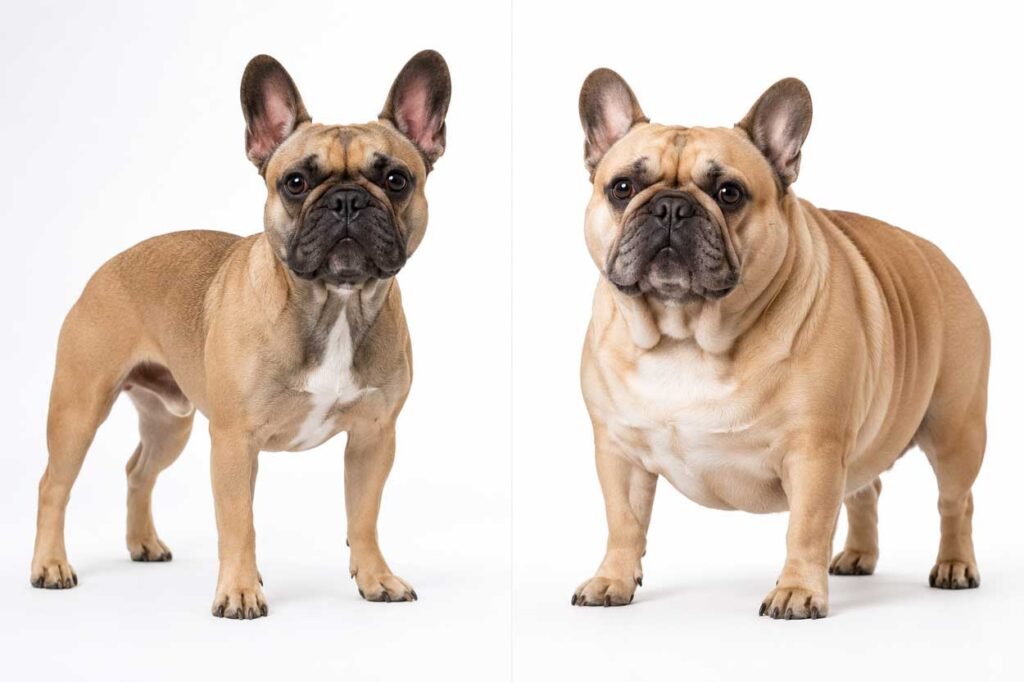
French Bulldogs are experts at convincing people they’re hungry.
Those pleading eyes can be hard to resist—but extra treats add up quickly.
Obesity is one of the biggest health risks for this breed.
Carrying even a few extra pounds can worsen:
- Breathing difficulties
- Joint pain
- Arthritis
- Heart strain
- Heat intolerance
Instead of focusing only on the number on the scale, pay attention to your dog’s body shape.
Ask yourself:
- Can I easily feel the ribs?
- Is there a visible waist from above?
- Does the abdomen tuck upward from the side?
If the answer is “no,” it may be time to review portion sizes and daily activity.
A lean French Bulldog generally enjoys a longer, healthier life than an overweight one.
Young Adult French Bulldog Care Guide: Common Health Issues to Watch For
Young adult French Bulldogs are often energetic and healthy, but they’re still genetically prone to several conditions.
Recognizing early warning signs can make treatment more effective.
Breathing Problems (BOAS)
Because French Bulldogs have short noses, some experience Brachycephalic Obstructive Airway Syndrome (BOAS).
Watch for:
- Loud snoring
- Difficulty exercising
- Heavy panting
- Noisy breathing
- Trouble recovering after activity
While mild snoring is common, persistent breathing struggles should never be ignored.
Skin Allergies
Many French Bulldogs have sensitive skin.
Signs include:
- Frequent scratching
- Red paws
- Ear infections
- Hair loss
- Skin irritation
Allergies may be triggered by food, pollen, dust mites, grass, or environmental factors.
Keeping a symptom diary can help your veterinarian identify patterns more quickly.
Joint Problems
Although young adults are active, some develop early orthopedic issues.
Watch for:
- Limping
- Difficulty jumping
- Reluctance to climb stairs
- Stiffness after resting
Maintaining a healthy weight is one of the best ways to protect your dog’s joints.
Eye Issues
French Bulldogs’ large, prominent eyes make them more vulnerable to irritation and injury.
Contact your veterinarian if you notice:
- Excessive tearing
- Squinting
- Cloudiness
- Redness
- Eye discharge
Prompt treatment often prevents more serious complications.
Preventive Veterinary Care
Even if your Frenchie seems perfectly healthy, regular veterinary visits are essential.
Many health conditions develop gradually and may not show obvious symptoms in the early stages.
A yearly wellness exam gives your veterinarian an opportunity to:
- Check heart and lung health
- Monitor weight
- Examine teeth and gums
- Assess skin and ears
- Review diet and exercise
- Update vaccinations if needed
- Recommend parasite prevention
Think of these visits as preventive maintenance rather than waiting until something goes wrong.
French Bulldogs can be prone to breed-specific concerns, including breathing issues, allergies, and joint problems. Learn more about prevention, warning signs, and routine care in our complete French Bulldog Health Guide.
Build a Healthy Daily Routine
Dogs thrive on consistency.
Having a predictable routine helps reduce stress while making it easier to monitor changes in appetite, behavior, or energy.
A simple day might look like this:
Morning
- Fresh water
- Breakfast
- Short walk
- Bathroom break
Afternoon
- Rest
- Puzzle toy or enrichment game
- Potty break
Evening
- Dinner
- Walk or play session
- Relax with the family
- Quick wrinkle check before bed
Small daily habits often have the biggest long-term impact.
Signs Your Young Adult French Bulldog Is Thriving
Every owner wants to know if they’re doing things right.
Healthy young adult French Bulldogs typically show these signs:
- Bright, alert eyes
- Clean ears and healthy skin
- Shiny coat
- Good appetite
- Healthy body weight
- Comfortable breathing during normal activity
- Interest in play and family interaction
- Regular bowel movements
- Confident, curious behavior
No dog is perfect every day, but consistent changes in these areas deserve attention.
New to French Bulldog ownership? Start with our French Bulldog Puppy Care Guide to learn about feeding, training, and caring for your puppy during the first year.
Frequently Asked Questions
What is included in a Young Adult French Bulldog Care Guide?
A Young Adult French Bulldog Care Guide covers nutrition, exercise, training, grooming, weight management, and preventive health care for French Bulldogs between 1 and 4 years old.
At what age is a French Bulldog considered a young adult?
Most French Bulldogs enter the young adult stage around 12 months and remain in it until approximately 4 years of age. During this period, they’re physically mature but still energetic and playful.
How much exercise does a young adult French Bulldog need?
Most healthy French Bulldogs benefit from 30–45 minutes of daily activity, split into short walks and play sessions. Avoid intense exercise during hot weather because this breed is prone to overheating.
How often should I bathe my French Bulldog?
Bathing every 4–8 weeks is usually enough unless your dog becomes particularly dirty or your veterinarian recommends a medicated shampoo for skin conditions.
What’s the biggest health concern for young adult French Bulldogs?
Obesity, breathing problems, allergies, and skin fold infections are among the most common concerns. A healthy weight and regular preventive care significantly reduce the risk of many issues.
Should I keep training after my French Bulldog turns one?
Absolutely. Ongoing training reinforces good manners, provides mental stimulation, and strengthens the bond between you and your dog. Even a few minutes of positive training each day can make a lasting difference.
Final Thoughts about Young Adult French Bulldog Care Guide
Following a proper Young Adult French Bulldog Care Guide helps owners create healthy routines that support their Frenchie’s long-term wellbeing. Your puppy has matured into a loyal companion, yet still has the playful spirit that makes the breed so lovable.
The best care doesn’t come from expensive products or complicated routines. It comes from consistency—feeding a balanced diet, maintaining a healthy weight, providing daily exercise, practicing positive training, keeping up with grooming, and scheduling regular veterinary checkups.
Remember that every Frenchie is unique. Pay attention to your dog’s individual needs, energy level, and personality. Small adjustments made today can help prevent bigger health problems in the future.
By investing time and care during these important years, you’re giving your French Bulldog the best chance to enjoy a long, active, and happy life by your side.
Disclaimer: This article is for educational purposes and doesn’t replace professional veterinary advice. If your French Bulldog shows signs of illness or distress, consult your veterinarian promptly.
Affiliate Disclosure: This post contains affiliate links. If you purchase a product through these links, we may earn a small commission at no extra cost to you. We only recommend products that we believe can be helpful for French Bulldog owners.