
Last updated: 23 Oct 2026
Common Health Problems in French Bulldogs: Symptoms, Prevention & When to See a Vet
French Bulldogs are affectionate, playful companions known for their compact bodies, bat-like ears, and distinctive flat faces. They can make wonderful pets, especially for people who want a companion that enjoys spending time with the family. However, Frenchies have several health risks related to their body structure, skin folds, and genetic background.
Some French Bulldog health problems are manageable with regular veterinary care, while others can become serious if warning signs are overlooked. Breathing difficulties, heat-related illness, skin allergies, ear infections, eye injuries, and spinal disorders deserve particular attention.
The good news is that understanding these risks can help you make better decisions about daily care, exercise, preventive veterinary visits, and emergency situations.
This guide explains the common health problems in French Bulldogs, the symptoms owners should watch for, available treatment options, and practical steps to help keep your dog comfortable and healthy.
Important: This article provides general educational information, not a diagnosis or a substitute for veterinary care. Contact your veterinarian whenever you notice new, persistent, or worsening symptoms.
1. Breathing Problems (Brachycephalic Obstructive Airway Syndrome)
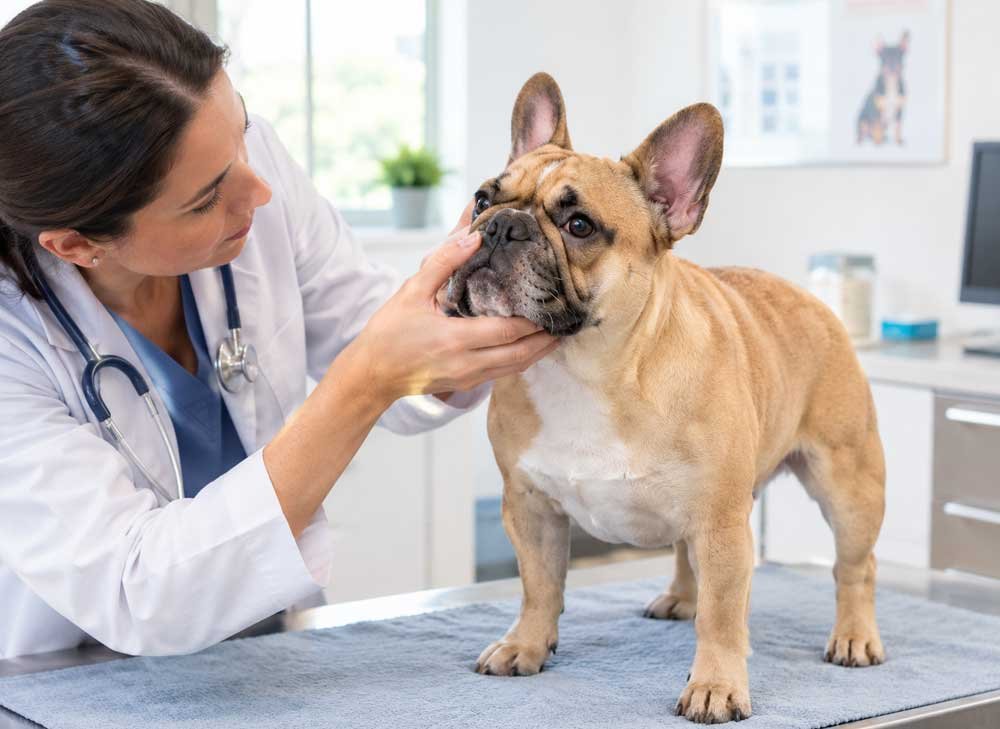
Brachycephalic Obstructive Airway Syndrome (BOAS) is one of the most important health concerns in French Bulldogs. Their short skulls and flattened faces can be associated with narrowed nostrils, an elongated soft palate, and other airway abnormalities that make breathing difficult.
Although some Frenchies naturally make snorting or snoring sounds, noisy breathing should not automatically be considered normal for the breed.
Common symptoms of BOAS
Watch for signs such as:
- Persistent noisy breathing, snoring, or snorting while awake.
- Narrow nostrils or visible effort when breathing.
- Excessive panting after mild activity.
- Difficulty keeping up during walks or play.
- Frequent gagging, retching, or regurgitation.
- Difficulty recovering after exercise or exposure to warmth.
- Restlessness or interrupted sleep because of breathing discomfort.
Severe airway obstruction can interfere with exercise, sleep, and temperature regulation. It may also increase the risk of respiratory distress during hot weather.
How is BOAS treated?
Your veterinarian can assess your dog’s breathing, nostrils, exercise tolerance, and overall airway function. Depending on the severity, treatment may include weight management, activity adjustments, environmental changes, or surgery to improve airflow.
Surgery can help selected dogs, but results vary, and some Frenchies continue to need medical management afterward.
How to help your Frenchie breathe more comfortably
- Use a well-fitted harness instead of putting pressure on the neck.
- Keep walks gentle and allow plenty of rest.
- Maintain a healthy body weight.
- Avoid strenuous activity during hot or humid weather.
- Arrange a veterinary assessment if noisy breathing, exercise intolerance, or sleep-related symptoms are persistent.
Emergency warning: If your Frenchie is struggling to breathe, has blue or gray gums, collapses, or cannot recover normally after activity, seek emergency veterinary care immediately.
Choosing a Comfortable Walking Harness
A properly fitted chest harness may be a practical choice for everyday walks because it avoids placing the leash directly on the neck. Look for adjustable straps, secure fastenings, and a fit that allows comfortable movement.
👉 Explore French Bulldog Chest Harnesses on Amazon
A harness does not treat brachycephalic obstructive airway syndrome (BOAS). If your dog regularly struggles to breathe, has worsening noisy breathing, or tires unusually quickly, consult your veterinarian before increasing exercise.
2. Heat Intolerance and Heatstroke
French Bulldogs can be particularly vulnerable to overheating because their shortened airways may make panting less effective. Heat and humidity can create additional challenges, even during activities that seem mild.
Heatstroke is a life-threatening emergency. It can develop during outdoor exercise, in a hot home, or inside a parked vehicle.
Warning signs of overheating
- Intense or persistent panting.
- Excessive drooling.
- Bright red, unusually pale, or blue-tinged gums.
- Vomiting or diarrhea.
- Weakness, confusion, or unsteady walking.
- Collapse or seizures in severe cases.
How to reduce heat-related risks
- Walk during cooler parts of the day.
- Choose short, gentle outings and avoid strenuous play in warm weather.
- Provide access to shade, fresh water, and air conditioning when needed.
- Never leave your dog in a parked car, even briefly.
- Stop activity immediately if your Frenchie appears unusually tired or distressed.
If you suspect heatstroke, move your dog to a cooler area, begin cooling with cool—not ice-cold—water and air circulation, and contact an emergency veterinarian immediately. Do not delay veterinary care while waiting for your dog to improve.
Help Your Frenchie Stay Comfortable in Warm Weather
A cooling mat can provide your French Bulldog with a more comfortable place to rest indoors during warm weather. Choose a suitable size and follow the manufacturer’s safety instructions.
👉 Explore Dog Cooling Mats on Amazon
Remember: A cooling mat is not a treatment for heatstroke. If your dog is panting excessively, struggling to breathe, vomiting, becoming weak, or collapsing, seek emergency veterinary care.
3. Skin Allergies, Itching, and Skin Fold Infections
Skin problems are common concerns for French Bulldog owners. Allergic skin disease, environmental irritants, parasites, and secondary bacterial or yeast infections can all contribute to discomfort.
Facial wrinkles and other skin folds can also trap moisture and debris, creating conditions that encourage inflammation and infection.
Common signs of skin problems
- Frequent scratching, licking, or chewing.
- Redness around the face, paws, armpits, or belly.
- Recurrent rashes or small bumps.
- Hair loss, scabs, or irritated patches.
- Unpleasant odors from skin folds.
- Repeated paw licking or rubbing the face against furniture.
What causes these problems?
Possible causes include environmental allergies, food allergies, fleas, contact irritation, and infections. These conditions can look similar, so it is not always possible to identify the cause from appearance alone.
Food allergies are different from food intolerances and cannot be reliably diagnosed simply by switching foods at random.
Treatment and prevention
Your veterinarian may recommend parasite control, skin testing where appropriate, treatment for infection, medication to control itching, or a supervised elimination diet if a food allergy is suspected.
At home, keep skin folds clean and dry using a gentle method recommended by your veterinarian. Avoid harsh cleaners, scented products, and unapproved creams.
If the skin becomes painful, develops open sores, smells unusually strong, or does not improve, arrange a veterinary examination.
Gentle Cleaning for Your French Bulldog’s Facial Folds
Keeping facial folds clean and dry can help support healthy skin. If you prefer a convenient cleaning option, look for gentle wipes specifically formulated for dogs and follow the label directions.
👉 Explore Dog Wrinkle Cleaning Wipes on Amazon
Avoid fragranced or irritating products around your dog’s eyes. Persistent redness, unpleasant odor, discharge, or soreness may indicate an infection and should be evaluated by a veterinarian.
4. Ear Infections
French Bulldogs can develop ear inflammation and infections, sometimes alongside allergic skin disease. Repeated infections can cause discomfort and, over time, damage the ear canal.
Symptoms to watch for
- Frequent head shaking.
- Scratching around the ears.
- Redness or swelling.
- Unusual discharge or a strong odor.
- Sensitivity when the ears are touched.
- Changes in balance or head position in more serious cases.
How are ear infections treated?
Your veterinarian may examine the ear canal and test a sample of discharge to determine whether yeast, bacteria, mites, or another problem is involved.
Treatment depends on the cause and may include prescribed ear medication and management of underlying allergies.
Do not put cotton swabs deep into the ear canal or use leftover ear drops without veterinary guidance. Some products may be unsafe if the eardrum is damaged.
If your Frenchie develops a head tilt, sudden balance problems, or severe ear pain, seek prompt veterinary care.
5. Digestive Problems, Food Sensitivities, and Chronic Diarrhea
Some French Bulldogs experience recurring digestive problems, including soft stools, vomiting, gas, or diarrhea. These signs may be associated with dietary changes, parasites, food reactions, infections, or gastrointestinal disease.
Persistent symptoms can sometimes indicate chronic enteropathy, a broad term for ongoing intestinal disease. Inflammatory bowel disease is one possible diagnosis, but it should not be assumed whenever a Frenchie has an upset stomach.
Signs that need attention
- Repeated loose stools or diarrhea.
- Frequent vomiting or regurgitation.
- Persistent abdominal discomfort.
- Reduced appetite or unexplained weight loss.
- Blood or black, tarry material in the stool.
- Recurrent symptoms despite a consistent diet.
What should owners do?
Introduce dietary changes gradually unless your veterinarian advises otherwise. Avoid frequent food switching and excessive treats, which can make it harder to identify a trigger.
For recurring symptoms, your veterinarian may recommend a stool test, bloodwork, imaging, or a supervised dietary trial. Treatment depends on the underlying cause and may involve a therapeutic diet or medication.
Seek urgent veterinary advice if vomiting or diarrhea is repeated, your dog cannot keep water down, or you notice blood, marked weakness, or abdominal swelling. Puppies and dogs with other medical problems may deteriorate more quickly.
6. Eye Problems and Eye Injuries
French Bulldogs have prominent eyes that can be more exposed to scratches, irritation, and injury. Their facial structure may also contribute to eyelid abnormalities and other eye conditions.
Common eye conditions
Corneal ulcers: Damage to the clear surface of the eye can cause significant pain and may worsen without treatment.
Cherry eye: A pink or red mass in the inner corner of the eye may indicate that the gland of the third eyelid has prolapsed.
Entropion: Part of an eyelid rolls inward, allowing hairs to rub against the eye.
Corneal dystrophy: Certain corneal changes can create cloudy areas, although not every cloudy eye has the same cause.
Signs of an eye problem
- Squinting or keeping an eye closed.
- Excessive tearing or discharge.
- Redness or swelling.
- Rubbing the face or pawing at an eye.
- Cloudiness or a visible change in the eye.
- Sudden sensitivity to light.
Eye pain, squinting, or a sudden change in appearance warrants prompt veterinary assessment. Eye injuries can progress quickly, so do not wait several days to see whether they resolve.
Avoid using human eye drops or leftover medication unless your veterinarian specifically instructs you to do so.
7. Dental Disease and Crowded Teeth
French Bulldogs have relatively short jaws, and their teeth may be crowded or poorly aligned. This can make effective cleaning more difficult and increase the risk of plaque buildup and gum disease.
Signs of dental problems
- Persistent bad breath.
- Red or bleeding gums.
- Visible tartar.
- Dropping food or chewing on one side.
- Pawing at the mouth.
- Reluctance to eat hard food or chew toys.
Dogs may continue eating despite significant dental pain, so normal appetite does not always mean the mouth is healthy.
Dental care at home
Brush your Frenchie’s teeth regularly with a dog-safe toothbrush and toothpaste. Introduce brushing gradually and make it a positive routine.
Your veterinarian can check for gum disease, damaged teeth, and crowding during routine examinations. Some dogs need professional dental cleaning under anesthesia, and diseased teeth may require treatment or extraction.
Never use human toothpaste containing ingredients that may be harmful to dogs.
Make Daily Dental Care Part of Your Frenchie’s Routine
Regular brushing with a dog-specific toothbrush and toothpaste can help reduce plaque buildup. Start gently and choose products designed specifically for dogs.
👉 Explore Dog Toothbrushes and Toothpaste on Amazon
Never use human toothpaste unless your veterinarian confirms that a particular product is safe for your dog. Home brushing also does not replace professional dental examinations and treatment when needed.
8. Intervertebral Disc Disease (IVDD) and Back Problems

Intervertebral Disc Disease (IVDD) occurs when a spinal disc degenerates or herniates and puts pressure on the spinal cord or nearby nerves. French Bulldogs can be predisposed to spinal disorders, and symptoms range from pain to serious neurological impairment.
Early signs of IVDD
- Reluctance to jump, climb, or use stairs.
- A stiff neck or back.
- Yelping when picked up.
- An unusual hunched posture.
- Shaking or restlessness associated with pain.
- Weakness, stumbling, or changes in walking.
More severe cases can cause paralysis or loss of bladder function.
What should you do?
If you suspect back pain, stop jumping and strenuous activity, and contact your veterinarian promptly. If your dog suddenly becomes weak, cannot stand or walk, or loses normal bladder control, seek emergency veterinary care.
Do not force your dog to walk or attempt spinal manipulation. Keep movement controlled during transport and follow veterinary instructions.
Ramps, non-slip flooring, a healthy body weight, and supervised activity may reduce some everyday risks, but they cannot prevent every spinal problem.
Consider a Dog Ramp for Everyday Mobility
A stable, nonslip dog ramp may help some French Bulldogs get on and off furniture with fewer repeated jumps. Choose a ramp with an appropriate height, weight capacity, and secure footing.
👉 Explore Dog Ramps for Home Use on Amazon
A ramp cannot prevent every spinal injury. If your French Bulldog develops back pain, a hunched posture, weakness, difficulty walking, or sudden mobility changes, contact a veterinarian promptly. Sudden paralysis or inability to walk requires emergency veterinary attention.
9. Joint Problems and Reduced Mobility
French Bulldogs may experience joint conditions, including hip dysplasia and patellar luxation, in which the kneecap moves out of its normal position. Mobility problems can also arise from spinal disease, arthritis, injury, or excess body weight.
Symptoms to watch for
- Limping or favoring a leg.
- Difficulty getting up after resting.
- Reluctance to walk or play.
- An unusual gait or intermittent skipping step.
- Stiffness after activity.
- Difficulty climbing stairs or jumping onto furniture.
A veterinary examination can help distinguish joint disease from spinal or soft-tissue problems. Depending on the diagnosis, management may include weight control, tailored exercise, rehabilitation, pain relief, or surgery.
Avoid giving human pain medications unless a veterinarian specifically prescribes them for your dog. Several common human medicines can be dangerous to dogs.
10. Reproductive Difficulties and Cesarean Deliveries
French Bulldogs have a higher risk of difficult labor because of their body structure and the proportions of the mother’s pelvis and puppies’ heads. Cesarean delivery is therefore an important consideration when breeding this breed.
A peer-reviewed UK study of emergency veterinary cases found that 67.9% of French Bulldog dystocia cases in its sample were managed with a cesarean section. This figure describes dogs already experiencing difficult labor in that particular clinical sample; it is not the percentage of all French Bulldog births. Other research that includes planned as well as emergency cesareans has reported different rates.
For prospective breeders, this means reproduction should never be treated as a simple or low-cost undertaking.
Breeding plans should be discussed with a veterinarian experienced in canine reproduction. The mother may require pregnancy monitoring, a planned delivery strategy, and access to emergency surgery. Cesarean sections also involve anesthesia and postoperative risks for the mother and puppies.
For pet owners who do not intend to breed, ask your veterinarian about appropriate spaying or neutering timing and the individual benefits and risks.
11. How Long Do French Bulldogs Live?
French Bulldog lifespan estimates vary depending on the study population, data collection methods, and how life expectancy is calculated.
A large UK study published in Scientific Reports in 2022 estimated life expectancy at birth for French Bulldogs at 4.53 years in its particular veterinary-record dataset. A separate Dogs Trust analysis published in 2024 reported a median lifespan of 9.8 years for the breed. These figures measure different things in different populations and should not be treated as interchangeable predictions for an individual dog.
The key takeaway is that research has identified significant welfare concerns associated with the breed, particularly its flat-faced anatomy. However, population statistics cannot tell you exactly how long your own Frenchie will live.
Preventive veterinary care, healthy weight management, dental care, appropriate exercise, and early assessment of breathing or mobility problems can support your dog’s well-being. They cannot guarantee a particular lifespan or eliminate inherited risks.
12. Are French Bulldogs Expensive to Keep Healthy?
They can be. Some Frenchies need little more than routine preventive care, while others require ongoing treatment for airway disease, allergies, skin infections, eye problems, or spinal conditions.
Potential costs for US owners include:
- Routine veterinary examinations and vaccinations.
- Parasite prevention and dental care.
- Diagnostic tests for recurring skin or digestive symptoms.
- Prescription diets or long-term medication when indicated.
- Emergency treatment or specialist consultations.
- Surgery and postoperative rehabilitation when necessary.
Actual costs depend on your location, the veterinarian or specialist, your dog’s condition, and your insurance coverage.
Before bringing a French Bulldog home, consider building an emergency savings fund and comparing pet insurance policies. Review waiting periods, exclusions for pre-existing conditions, annual limits, deductibles, and reimbursement rates before choosing a plan.
Pet insurance purchased after symptoms appear may not cover treatment for an already documented condition.
13. Should You Get a French Bulldog? 10 Things to Consider
Searching for phrases such as “I regret getting a French Bulldog” or “Are French Bulldogs worth it?” often reflects a genuine concern: people want to understand the responsibilities before committing to a dog.
Rather than labeling Frenchies as good or bad pets, consider the following questions.
- Can you afford veterinary care? Health investigations, specialist appointments, and unexpected emergencies can be expensive.
- Can you provide a cool environment? Air conditioning and careful management of heat may be essential in warm weather.
- Are you prepared for breathing concerns? Noisy breathing and exercise intolerance may require assessment and treatment.
- Can you maintain skin-fold hygiene? Some dogs need regular cleaning and ongoing allergy management.
- Will you keep up with dental care? Daily brushing and routine oral examinations help protect dental health.
- Can you manage activity safely? Frenchies need exercise and enrichment, but their activity should suit their breathing and physical condition.
- Can you recognize emergencies? Respiratory distress, heatstroke, painful eye conditions, and sudden spinal weakness require prompt care.
- Can you provide lifelong preventive care? Routine checkups, vaccinations, parasite prevention, and weight management remain important.
- Have you researched responsible sourcing or adoption? Look for transparent health information and avoid choosing a puppy based on appearance alone.
- Does this breed fit your lifestyle? Consider your climate, schedule, budget, housing, and willingness to manage possible chronic conditions.
French Bulldogs can be loving companions, but prospective owners should understand the health and financial responsibilities before deciding. If you already own a Frenchie, these risks are a reason to plan thoughtfully—not a reason to assume your dog will inevitably become seriously ill.
14. How to Help Prevent Common French Bulldog Health Problems
You cannot prevent every inherited condition, but consistent care can make a meaningful difference.
- Schedule regular veterinary checkups. Discuss breathing, skin, ears, eyes, dental health, and mobility.
- Maintain a healthy weight. Extra weight can increase the physical demands on an already compromised airway and joints.
- Manage heat carefully. Choose cooler walking times, provide water, and avoid strenuous activity in hot or humid conditions.
- Use a suitable harness. Avoid unnecessary pressure on the neck.
- Clean skin folds gently. Follow your veterinarian’s advice and keep the folds dry.
- Brush teeth consistently. Use dog-safe toothpaste and arrange professional care when recommended.
- Choose appropriate exercise. Favor controlled walks, play, and mental enrichment suited to your dog’s individual abilities.
- Monitor changes. Record recurring symptoms, their frequency, and any possible triggers so you can discuss them with your veterinarian.
- Research health before adoption or purchase. Ask about breathing assessments, family health history, and relevant breed-specific screening.
Prevention works best when it is tailored to the individual dog. A Frenchie with BOAS, for example, may need a different exercise plan from a dog with normal breathing function.
Keep Fresh Water Available Throughout the Day
French Bulldogs need access to fresh water, particularly during warm weather and after appropriate activity. A sturdy, easy-to-clean water bowl can make daily hydration more convenient.
👉 Explore Stainless-Steel Dog Water Bowls on Amazon
Fresh water is important, but it cannot make hot or humid conditions safe for a French Bulldog. Keep outdoor activity conservative during hot weather and provide a cool, shaded place to rest.
Frequently Asked Questions
What is the most common health problem in French Bulldogs?
French Bulldogs are particularly well known for brachycephalic airway problems, including BOAS. Skin allergies, ear infections, eye conditions, and spinal disorders are also important concerns. The most common problem varies across studies and individual dogs.
What are the early signs of BOAS in a French Bulldog?
Persistent noisy breathing, narrow nostrils, excessive panting, difficulty recovering after exercise, and reduced exercise tolerance can be warning signs. A veterinarian can assess whether your dog’s breathing is normal or requires treatment.
Are French Bulldogs prone to skin allergies?
Yes, skin allergies and related infections are recognized concerns in the breed. Repeated itching, paw licking, redness, and recurrent ear problems deserve veterinary assessment because several different conditions can cause similar symptoms.
Do French Bulldogs have a lot of health problems?
French Bulldogs have elevated risks for several conditions associated with their anatomy and inherited traits. However, there is no single percentage that accurately describes every French Bulldog or every definition of a health problem. Individual health depends on multiple factors, and population studies should be interpreted in context.
Can French Bulldogs live a healthy life?
Yes, some French Bulldogs enjoy a good quality of life with appropriate care. However, owners should understand that certain health risks cannot be eliminated through routine care alone. Early veterinary assessment, responsible breeding practices, and attention to breathing and heat tolerance are particularly important.
When should I take my French Bulldog to an emergency vet?
Seek emergency veterinary care for difficulty breathing, blue or gray gums, collapse, suspected heatstroke, sudden inability to stand or walk, or a painful eye injury. Repeated vomiting, severe weakness, and rapidly worsening symptoms also warrant urgent veterinary advice.
Helpful Products for French Bulldog Care
Caring for a French Bulldog often involves a few practical supplies for everyday grooming, dental hygiene, comfortable movement, and warm-weather safety. These products may help support your dog’s routine, but they are not substitutes for veterinary diagnosis or treatment.
- Grooming: Explore Dog Wrinkle Cleaning Wipes on Amazon
- Dental hygiene: Explore Dog Toothbrushes and Toothpaste on Amazon
- Mobility: Explore Dog Ramps on Amazon
- Warm-weather comfort: Explore Dog Cooling Mats on Amazon
Final Thoughts
French Bulldogs bring companionship and personality to many homes, but their distinctive appearance comes with health considerations that deserve serious attention. Breathing difficulties, heat intolerance, allergies, ear infections, eye problems, dental disease, and spinal conditions can affect their comfort and quality of life.
The most useful approach is to recognize warning signs early, maintain preventive veterinary care, manage weight and activity carefully, and prepare financially for unexpected treatment.
Whether you are considering adopting a Frenchie or already share your home with one, informed decisions can help you provide better care. Your veterinarian is your best partner in understanding your dog’s individual risks and choosing an appropriate care plan.
Medical note: This guide is for educational purposes and does not replace an examination or individualized advice from a licensed veterinarian.
Further Reading and Research
- Life tables of annual life expectancy and mortality for companion dogs in the United Kingdom — Scientific Reports
- Dogs Trust: Research on longevity across dog breeds
- Canine dystocia in 50 UK first-opinion emergency care veterinary practices — Veterinary Record
Affiliate Disclosure : Some links in this article are affiliate links. If you make a qualifying purchase through them, FrenchieTails may earn a commission at no additional cost to you.