Why Do My French Bulldog’s Paws Smell Like Corn Chips? Causes, Solutions & When to Worry
Why Do My French Bulldog’s Paws Smell Like Corn Chips?: Have you ever cuddled with your French Bulldog, noticed a strange smell coming from their feet, and wondered why their paws smell like a bag of corn chips?
You are not alone! Many French Bulldog owners notice a familiar popcorn-like, salty, or corn-chip smell when they get close to their dog’s paws. Some people even call it “Frito feet.”
Although the smell can be funny, it is natural to wonder whether something is wrong with your dog’s health.
The good news is that a mild corn-chip smell is often harmless. It usually comes from naturally occurring bacteria and yeast living on your dog’s skin. However, when the smell becomes unusually strong or appears along with redness, itching, swelling, or constant paw licking, it may indicate an underlying skin problem.
French Bulldogs can be particularly challenging when it comes to skin care because they are prone to allergies and certain skin conditions. That makes it important to understand what is normal and what deserves attention.
In this guide, we will explain why your French Bulldog’s paws smell like corn chips, what causes the odor, how to recognize possible infections, and what you can safely do to keep your Frenchie’s paws clean and healthy.
Quick Answer: Why Do French Bulldogs’ Paws Smell Like Corn Chips?
French Bulldogs’ paws often smell like corn chips because of naturally occurring bacteria and yeast on their skin. These microorganisms live around the paw pads and between the toes, where warmth and moisture create suitable conditions for them to grow.
A mild smell without redness, irritation, or excessive licking is usually not a reason to worry.
However, a strong or unpleasant odor accompanied by itching, redness, swelling, discharge, or discomfort may indicate yeast overgrowth, a bacterial infection, allergies, or another paw condition.
The important thing is to pay attention to changes in your dog’s paws rather than focusing on the smell alone.
1. Why Do My French Bulldog’s Paws Smell Like Corn Chips?
The main reason behind the corn-chip smell is the natural collection of microorganisms living on your dog’s skin.
Just like humans, dogs have a skin microbiome. It is a community of tiny organisms, including bacteria and yeast, that normally live on the skin without causing health problems.
Some bacteria, including Pseudomonas and Proteus, are believed to contribute to the familiar Frito-like odor. Yeast, particularly Malassezia, may also contribute to unusual skin odors.
Your Frenchie’s paws provide a comfortable environment for these microorganisms because:
- Dogs have sweat glands in their paw pads.
- The spaces between their toes can hold moisture.
- Dirt and outdoor debris can collect around their feet.
- Paw licking introduces additional moisture.
- Limited airflow between the toes can make drying difficult.
When these factors come together, the paws may develop a noticeable corn-chip smell.
It is worth remembering that researchers have not established one single microorganism as the cause of every dog’s Frito-like paw odor. Several factors can contribute.
Is this normal? Yes, a mild corn-chip smell can be completely normal. It does not automatically mean your French Bulldog has an infection or poor hygiene.
2. Why Are French Bulldogs More Likely to Have Smelly Paws?
French Bulldogs are known for their adorable wrinkled faces, compact bodies, and affectionate personalities. However, their skin can require extra attention.
They are prone to certain skin problems, especially allergies, which can indirectly contribute to paw odor.
Here are some reasons your Frenchie may experience smelly paws.
A. Skin Allergies
Allergies are one of the important things to consider when a French Bulldog frequently licks or chews their paws.
Frenchies can develop reactions to environmental substances such as:
- Grass and pollen
- Dust mites
- Mold
- Certain household cleaning products
- Other environmental allergens
Some dogs also develop food allergies, although environmental allergies and other skin conditions can produce similar symptoms.
When an allergy makes the paws itchy, your dog may repeatedly lick and chew them.
This creates a cycle:
- An allergen irritates the skin.
- Your Frenchie starts licking or chewing their paws.
- The skin becomes increasingly moist and irritated.
- Bacteria and yeast may multiply more easily.
- Odor, redness, and inflammation can develop.
If your French Bulldog regularly licks their feet, especially during particular seasons, discuss possible allergies with your veterinarian.
B. Excess Moisture Between the Toes
Moisture is another common reason behind unpleasant paw odors.
Think about what happens after your Frenchie walks outside on wet grass, plays in the yard, or walks through a puddle.
Water can become trapped between the toes and around the paw pads. If the feet remain damp for a long time, the environment becomes more favorable for microbial growth.
This is why drying your dog’s paws after walks, baths, or outdoor activities is an important part of regular grooming.
C. Yeast Overgrowth
Yeast naturally lives on a dog’s skin, but problems can develop when it multiplies excessively.
One type of yeast associated with canine skin problems is Malassezia.
Yeast overgrowth can affect the spaces between the toes and cause symptoms such as:
- Strong or unusual odor
- Red or irritated skin
- Frequent paw licking
- Brownish discoloration from saliva
- Greasy or uncomfortable skin
- Hair loss around affected areas
Some owners describe the smell as corn chips, while others notice a musty or unpleasant odor.
A veterinarian can examine the affected skin and perform a simple test, such as skin cytology, to check for yeast and bacteria.
D. Bacterial Skin Infections
Bacteria normally live on your French Bulldog’s skin. However, damaged or irritated skin can allow certain bacteria to multiply and cause an infection.
A bacterial infection may produce more than an ordinary corn-chip smell.
You might notice:
- Redness between the toes
- Small bumps or pimples
- Swelling around the paw
- Pain when touching the feet
- Discharge or crusting
- A stronger, unpleasant smell
Bacterial infections sometimes develop alongside allergies or yeast overgrowth.
The correct treatment depends on the cause, so avoid using leftover antibiotics or random antibacterial products without veterinary guidance.
E. Dirt and Outdoor Allergens
Your Frenchie’s paws touch the ground every time they walk, play, or explore.
Grass, soil, dust, mud, and other outdoor substances can collect around the paw pads.
These materials may irritate sensitive skin or introduce additional moisture and debris.
If your dog enjoys spending time outdoors, a gentle paw-cleaning routine after walks can help remove dirt and potential irritants.
3. Is the Corn Chip Smell Normal or a Sign of Infection?
This is probably the most important question for French Bulldog owners.
A mild corn-chip smell by itself is usually harmless. You do not need to rush to eliminate every natural odor from your dog’s feet.
However, you should pay attention to other changes.
Here is a simple comparison to help you understand the difference.
| What You Notice | What It May Mean |
|---|---|
| Mild corn-chip smell | Often normal skin microorganisms |
| No redness or swelling | Less concerning |
| Frequent paw licking | Possible itching or irritation |
| Red skin between toes | Inflammation or possible infection |
| Brown saliva stains | Repeated licking |
| Strong, unpleasant odor | Possible microbial overgrowth or infection |
| Swollen toes or bumps | Possible pododermatitis or another paw problem |
| Pain or limping | Requires veterinary examination |
| Pus or open sores | Possible infection or injury |
Remember: These signs are not a diagnosis. A veterinarian needs to examine your Frenchie’s paws to determine the actual cause.
4. How to Check Your French Bulldog’s Paws at Home
You do not need special equipment to perform a basic paw check.
A few minutes of observation can help you notice problems before they become more uncomfortable.
Choose a calm time when your Frenchie is relaxed.
Step 1: Look at all four paws.
Gently examine each paw, including the front and back feet. Check whether the odor is present in all four paws or only one.
If one paw smells noticeably different, look for a small injury, irritation, or something stuck between the toes.
Step 2: Check between the toes.
Carefully separate the toes and look at the skin.
Watch for redness, swelling, bumps, unusual moisture, crusting, or discharge.
Step 3: Examine the paw pads.
Healthy paw pads should not have unexplained wounds, bleeding, or painful cracks.
Notice whether your dog pulls their foot away when you gently touch it.
Step 4: Watch your dog’s behavior.
Does your Frenchie lick their paws occasionally after a walk, or do they spend several minutes chewing their feet throughout the day?
Repeated licking is more concerning than a mild odor alone.
Step 5: Compare with previous days.
Knowing what your dog’s normal paws look and smell like makes it easier to recognize changes.
If you notice a new smell, worsening irritation, or discomfort, arrange a veterinary examination.
5. How to Get Rid of the Corn Chip Smell on Your French Bulldog’s Paws
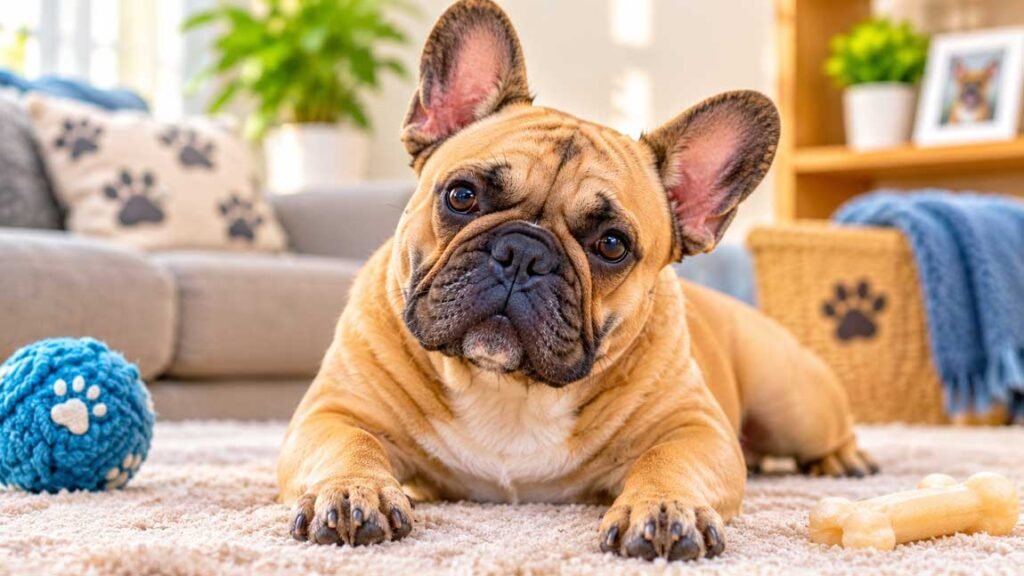
If your Frenchie’s paws have a mild odor but look healthy, simple grooming habits may be all they need.
The goal is not to make your dog’s paws smell like perfume. It is to keep them clean, dry, and comfortable.
Here are some practical steps.
1. Clean the Paws After Outdoor Walks
After returning from a walk, check your Frenchie’s feet for mud, grass, dust, and other debris.
Use a soft, damp cloth or an unscented, dog-safe paw wipe to gently clean the paws.
Pay particular attention to the spaces between the toes.
You do not need to wash your dog’s feet with shampoo after every walk. Frequent unnecessary washing can irritate sensitive skin.
2. Dry Between the Toes Properly
This step is just as important as cleaning.
Use a clean, soft towel to remove moisture from the paw pads and between the toes.
Be gentle. Do not rub irritated skin or force your dog’s toes apart if they seem painful.
Make sure the feet are dry before allowing your Frenchie to settle down.
3. Keep Paw Hair Neat
Some French Bulldogs have hair that collects dirt and moisture around their feet.
If your dog has excessive hair between the paw pads, keeping it neatly trimmed may make cleaning and drying easier.
Do not cut too close to the skin, and avoid using sharp scissors around the toes.
If you are uncomfortable doing this yourself, ask a professional groomer or veterinarian for help.
4. Use Dog-Safe Cleaning Products
Choose cleaning products specifically designed for dogs.
For ordinary dirt, a little lukewarm water and a soft cloth are often enough.
If your Frenchie has recurring yeast or bacterial problems, your veterinarian may recommend a medicated paw cleanser, shampoo, or wipes.
The right product depends on the condition being treated.
Avoid applying human foot creams, strong disinfectants, essential oils, or heavily scented products to your dog’s paws without veterinary advice.
5. Keep Your Frenchie’s Bedding Clean
Your dog spends a considerable amount of time resting on their bed, blankets, and favorite sleeping spots.
Dirt, loose hair, and moisture can accumulate in these areas.
Wash your Frenchie’s bedding regularly using a pet-friendly, fragrance-free laundry detergent when possible.
Make sure everything is completely dry before putting it back.
Clean bedding is not a treatment for paw infections, but it supports good overall hygiene.
6. Prevent Excessive Paw Licking
Occasional paw licking is normal dog behavior.
However, constant licking can make an existing problem worse by keeping the skin wet and irritated.
If your Frenchie repeatedly licks or chews their feet, do not simply try to stop the behavior without finding out why it is happening.
It may be caused by allergies, an injury, infection, or another uncomfortable condition.
A veterinarian can help identify the underlying reason.
6. What Should You Avoid When Your Frenchie’s Paws Smell?
Many dog owners try home remedies when they notice an unusual smell.
Unfortunately, some popular cleaning methods can irritate sensitive paw skin or make an existing problem worse.
Here are a few things to avoid.
Do not use vinegar as an automatic treatment.
You may find advice online recommending vinegar soaks for smelly dog paws. However, vinegar is not a reliable treatment for every cause of paw odor and can sting irritated or damaged skin.
Avoid hydrogen peroxide.
Hydrogen peroxide can irritate tissue and is not a routine paw-cleaning solution.
Do not apply essential oils.
Tea tree oil and other concentrated essential oils can be harmful to dogs, especially if they lick the treated area.
Avoid human antifungal creams unless your vet recommends them.
Not every corn-chip smell is caused by yeast. Using the wrong product can delay proper treatment.
Do not cover wet paws with socks or tight footwear.
Covering damp feet can trap additional moisture and make the problem worse.
Do not use perfume to hide the smell.
A fragrance may cover the odor temporarily without addressing the underlying cause. Some scented products can also irritate your dog’s skin.
A simple rule: If the paws are healthy, keep them clean and dry. If they look irritated or painful, seek veterinary advice instead of experimenting with home treatments.
7. When Should You Take Your French Bulldog to the Vet?
A mild corn-chip smell without other symptoms is generally not an emergency.
However, you should contact your veterinarian if the odor becomes stronger, changes noticeably, or appears with other signs of discomfort.
Arrange a veterinary appointment if you notice:
- Persistent paw licking or chewing
- Redness between the toes
- Swollen paws or toes
- Repeated bumps or sores
- Unusual discharge
- Hair loss around the feet
- A strong, unpleasant odor
- Repeated paw problems that keep returning
If your Frenchie has severe pain, cannot comfortably put weight on a foot, has a deep wound, or develops rapidly increasing swelling, seek prompt veterinary care.
What Will the Veterinarian Do?
Your veterinarian will first examine your dog’s paws and ask questions about their symptoms and daily routine.
Depending on what they find, they may recommend:
Skin cytology: A sample from the affected area can be examined under a microscope to look for yeast and bacteria.
Skin scraping: This may be used to investigate certain skin parasites.
Allergy evaluation: If the problem keeps returning, your vet may investigate environmental or food-related allergies.
Additional testing: Some cases require bacterial culture, biopsy, or other diagnostic tests, particularly when the problem is severe or does not respond to initial treatment.
Treatment depends on the underlying cause. It may involve veterinarian-prescribed topical medication, medicated bathing, allergy management, or other treatment.
Do not assume every smelly paw needs antibiotics or antifungal medication.
8. Can Food Allergies Cause Smelly Paws in French Bulldogs?
Yes, food allergies can contribute to paw problems in some French Bulldogs.
A food allergy occurs when a dog’s immune system reacts to a particular ingredient.
Common food allergens in dogs include certain animal proteins, such as beef, chicken, and dairy. However, any dietary protein can potentially trigger an allergy.
Some affected dogs develop itchy skin, including around their feet.
You may also notice:
- Repeated paw licking
- Itchy ears
- Recurrent skin irritation
- Redness around different parts of the body
- Digestive symptoms in some dogs
However, smelly paws alone are not enough to diagnose a food allergy.
If your veterinarian suspects one, they may recommend a carefully controlled elimination diet followed by a food challenge.
Simply switching to grain-free food or trying several different brands is not a reliable way to identify a food allergy.
Always discuss dietary changes with your veterinarian, especially if your Frenchie has ongoing skin problems.
9. How to Prevent Smelly Paws in Your French Bulldog
You cannot completely prevent the natural microorganisms that live on your dog’s skin, and you do not need to.
However, a few consistent habits can help maintain healthy paws and reduce problems associated with excess moisture and irritation.
Here is a simple routine:
After every walk
- Check for dirt, grass, and debris.
- Wipe away visible dirt with a soft, dog-safe cloth.
- Dry the paws if they become wet.
During regular grooming
- Check between the toes.
- Look for redness, swelling, or unusual bumps.
- Keep excessive paw hair neatly trimmed when needed.
- Check the nails and surrounding skin.
Throughout the week
- Wash your dog’s bedding regularly.
- Watch for excessive licking or chewing.
- Notice any changes in paw odor.
- Keep an eye on recurring skin irritation.
During your regular vet visits
- Mention repeated paw odor or itching.
- Discuss any history of allergies.
- Follow your veterinarian’s recommendations for ongoing skin care.
Consistency is more useful than aggressive cleaning. Your Frenchie’s paws need gentle care, not constant washing.
10. Frequently Asked Questions About French Bulldog Paws Smelling Like Corn Chips
Why do my French Bulldog’s paws smell like Fritos?
The smell usually comes from naturally occurring bacteria and yeast on your dog’s skin. Warmth, moisture, and sweat around the paw pads create an environment where these microorganisms can produce a corn-chip-like odor.
Is it normal for French Bulldogs’ feet to smell like popcorn?
Yes. A mild popcorn or corn-chip smell can be normal in healthy dogs. If there is no redness, swelling, excessive licking, or discomfort, the smell alone is usually not concerning.
Does a corn-chip smell mean my French Bulldog has a yeast infection?
Not necessarily. Healthy dogs naturally have yeast and bacteria on their skin. An infection becomes more likely when the odor is accompanied by itching, redness, inflammation, or other skin changes. A veterinarian can confirm the cause.
Why does my French Bulldog keep licking their paws?
Occasional licking is normal, but frequent licking can indicate allergies, irritation, an injury, or infection. If your Frenchie repeatedly chews their feet or seems uncomfortable, arrange a veterinary examination.
Should I wash my French Bulldog’s paws every day?
You can gently wipe your dog’s paws after outdoor walks when needed. However, daily shampooing is usually unnecessary and may irritate the skin if done excessively. Always dry the paws properly after cleaning.
Can I use baby wipes on my French Bulldog’s paws?
It is better to choose wipes specifically formulated for dogs. If you use another type of wipe, check the ingredients carefully and avoid fragrances, alcohol, and harsh cleaning agents. A soft cloth with water is often sufficient for ordinary dirt.
Why do only my French Bulldog’s front paws smell like corn chips?
If only the front paws have a noticeable odor, check for trapped dirt, moisture, irritation, or excessive licking. If the smell is new or accompanied by redness or discomfort, have your veterinarian examine the affected feet.
Can smelly paws go away on their own?
A mild, normal corn-chip smell may come and go without treatment. However, an infection or underlying allergy is unlikely to be resolved simply by cleaning the paws. Persistent or worsening symptoms deserve veterinary attention.
Should I be worried if my French Bulldog’s paws smell but look normal?
Usually not. If the smell is mild and your dog walks comfortably without excessive licking or visible skin changes, you can simply monitor the paws and maintain normal hygiene.
If the odor becomes stronger or new symptoms appear, contact your veterinarian.
Final Thoughts: Why do my French bulldog’s paws smell like corn chips
So, why do your French Bulldog’s paws smell like corn chips?
In most cases, the answer is simple: naturally occurring bacteria and yeast living on the skin produce an odor that reminds people of popcorn or Fritos.
A little corn-chip smell does not automatically mean your Frenchie is unhealthy or needs medication.
What matters is the overall condition of their paws. Look for changes such as redness, swelling, constant licking, unusual discharge, or discomfort. These signs may point to an underlying problem that needs veterinary attention.
Make gentle paw cleaning, proper drying, and regular inspection part of your French Bulldog’s grooming routine.
Most importantly, learn what is normal for your own dog. That way, you can recognize unusual changes early and help your little companion stay comfortable.
Healthy paws mean happier walks, more comfortable playtime, and one less thing to worry about as a French Bulldog parent!