Why Does My French Bulldog Tail Pocket Smell Bad? (And How to Fix It Safely)
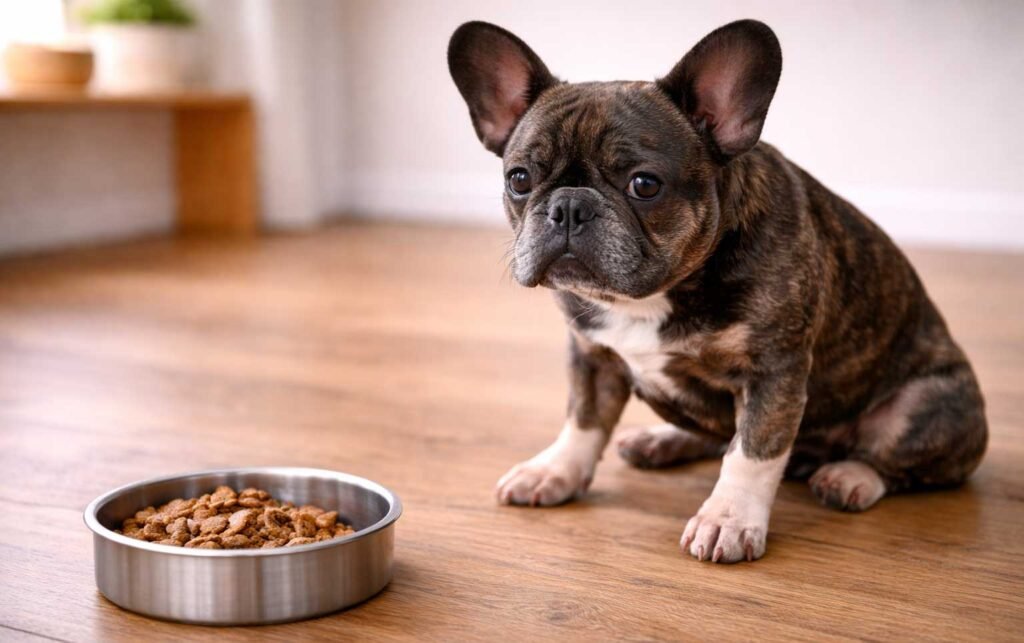
French Bulldog tail pocket smell: If your French Bulldog has a strange, sour smell coming from under their tail, you are not alone. Many Frenchie owners notice this problem, especially when their dog has a deep tail pocket that traps moisture and debris.
The smell may remind you of old cheese or something musty. While it can be unpleasant, it is worth paying attention to because it may be a sign of irritated skin or an infection.
The good news is that proper cleaning and regular care can help keep your Frenchie’s tail area healthy. However, if the skin is red, swollen, painful, or leaking discharge, cleaning alone may not be enough.
In this guide, you will learn why a French Bulldog’s tail pocket smells bad, how to clean it safely at home, which warning signs to watch for, and when to contact your veterinarian.
What Is a French Bulldog Tail Pocket?
A tail pocket is a small fold or hollow area of skin beneath or around the base of a dog’s tail. In some French Bulldogs, the tail’s short, tightly curled shape creates a deep skin fold where moisture and debris can collect.
Not every French Bulldog has a tail pocket. Some have a shallow fold, while others have a deeper one that is difficult to see.
Because the skin in this area may stay pressed together, air cannot circulate easily. This can create conditions that allow bacteria and yeast already present on the skin to grow excessively.
Over time, the skin may become irritated, inflamed, and uncomfortable. Veterinarians call inflammation in these skin folds skin fold dermatitis.
If you are unsure whether your Frenchie has a tail pocket, ask your veterinarian to check the area and show you how to care for it properly.
Why Does My Frenchie’s Tail Pocket Smell Bad?
There are several reasons why your Frenchie’s tail pocket may develop an unpleasant odor.
1. Moisture and Trapped Debris
The skin beneath a curled tail can trap moisture, loose hair, dead skin cells, skin oils, and small amounts of fecal matter.
When this material builds up, the area can become irritated and develop a strong, unpleasant smell.
This is more likely to happen when the tail pocket is deep or difficult to clean.
2. Bacterial Overgrowth
Your dog’s skin naturally has bacteria on it. These microorganisms usually do not cause problems, but warm, moist skin folds can allow them to multiply excessively.
This may lead to a condition called tail fold dermatitis or, in some cases, a bacterial skin infection.
Possible signs include a foul odor, redness, soreness, and discharge.
3. Yeast Overgrowth
Yeast can also multiply in warm, moist skin folds.
A yeast-related skin problem may cause a musty or sour smell, itching, redness, and greasy or discolored skin.
However, smell alone cannot tell you whether bacteria, yeast, or another problem is responsible. Your veterinarian may need to examine the skin and test a sample to identify the cause.
4. A Deep or Tightly Curled Tail
Some French Bulldogs have tail shapes that create deep, difficult-to-reach skin folds.
If the pocket is very deep, ordinary cleaning may not reach the affected area. Debris can continue to collect, and irritation may return even when you clean your dog regularly.
If your Frenchie’s tail pocket is difficult to reach or infections keep coming back, ask your veterinarian about the best long-term care options.
5. Another Problem Around the Rear End
Not every unpleasant smell near your Frenchie’s backside comes from the tail pocket.
Anal gland problems, other skin infections, and irritation around the anus can cause similar symptoms.
If the smell persists after gentle cleaning, or your dog frequently scoots across the floor, a veterinary examination can help identify the actual cause.
Signs Your Frenchie May Have a Tail Pocket Infection
A little trapped debris does not automatically mean your dog has an infection. However, certain signs suggest that the skin needs veterinary attention.
Watch for the following symptoms:
- Strong, persistent odor: The smell returns quickly after cleaning or never completely goes away.
- Red or inflamed skin: The skin inside the fold looks red, irritated, or swollen.
- Discharge: You notice yellowish, brown, bloody, or unusual material coming from the pocket.
- Frequent licking or biting: Your Frenchie repeatedly tries to reach the area.
- Scooting: Your dog drags their rear across the carpet or floor.
- Pain or sensitivity: Your Frenchie flinches, whines, pulls away, or resists when you approach the tail.
- Sores or bleeding: The skin appears raw, damaged, or open.
When Should You Call Your Veterinarian?
Contact your veterinarian promptly if you notice redness, persistent odor, swelling, discharge, or repeated discomfort.
If your Frenchie has severe pain, significant swelling, bleeding, an open sore, or trouble passing stool, seek prompt veterinary care.
Do not try to treat an infected or painful tail pocket with home remedies alone. Your veterinarian may recommend a specific cleanser, an antifungal or antibacterial treatment, or additional testing, depending on the cause.
Early treatment can help prevent the problem from becoming more uncomfortable.
How to Clean a French Bulldog’s Tail Pocket Safely
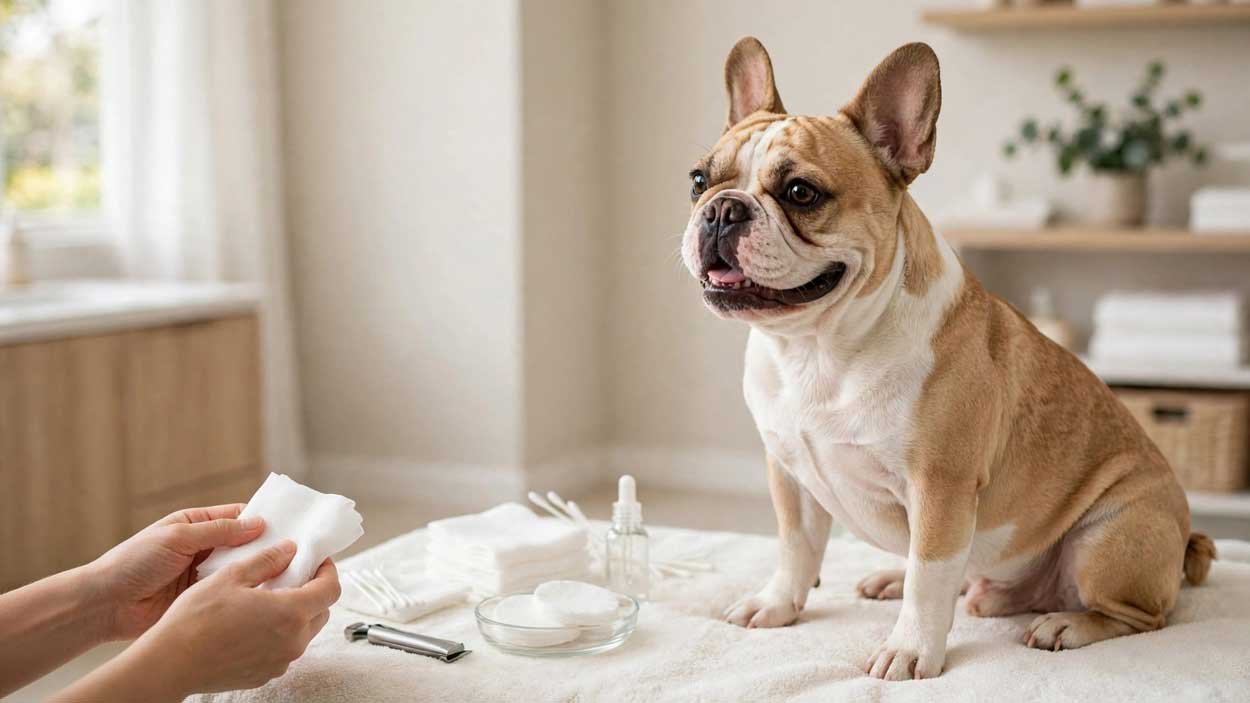
If your Frenchie’s tail pocket is not painful and the skin looks healthy, gentle cleaning may help remove everyday debris.
If you have never cleaned the area before, ask your veterinarian to demonstrate the correct technique. Deep pockets can be difficult to reach safely.
What You’ll Need for Gentle Tail Pocket Care
Before you begin, gather a few simple supplies: soft gauze pads, a clean dry cloth, and good lighting so you can inspect the area without pulling or forcing the tail. If your veterinarian recommends a dog-safe skin-fold cleanser or wipe for your Frenchie, keep that product nearby as well.
For routine cleaning, you can check soft gauze pads on Amazon. Choose a soft, non-abrasive option that lets you clean the accessible skin gently without scrubbing.
Step 1: Gather the Right Supplies
Before you begin, prepare:
- A soft, clean gauze pad or lint-free cloth
- A veterinarian-recommended dog-safe cleansing wipe or cleanser
- A clean, dry gauze pad or soft cloth for drying
- A few small treats to help your Frenchie stay calm
Avoid alcohol, hydrogen peroxide, harsh soaps, scented products, and unapproved human skin creams. These products may irritate sensitive skin.
Do not automatically use medicated wipes containing chlorhexidine, ketoconazole, or other active ingredients unless your veterinarian recommends them for your dog’s condition.
Step 2: Check the Skin First
Choose a calm moment when your Frenchie is relaxed.
Gently lift the tail only as far as your dog comfortably allows. Look for trapped debris, redness, swelling, sores, or discharge.
If the area looks raw, smells strongly infected, or appears painful, stop and contact your veterinarian rather than attempting a deep cleaning.
Never force the tail upward or push your finger, a wipe, or a cotton swab into a tight pocket.
Step 3: Clean the Accessible Area Gently
If the skin looks healthy, use a clean gauze pad or a veterinarian-approved wipe to remove visible debris from the area you can comfortably reach.
Use gentle movements rather than scrubbing. Replace the pad when it becomes dirty so you do not spread debris back over the skin.
If your Frenchie resists, cries, or tries to bite because of discomfort, stop the procedure.
A deep tail pocket may require a different cleaning technique, which your veterinarian can show you.
Step 4: Dry the Area Thoroughly
Drying is an important part of tail pocket care.
Use a clean, dry gauze pad or soft cloth to gently pat the accessible skin. Avoid rubbing or irritating the fold.
Make sure you do not leave the area unnecessarily damp. At the same time, do not force a cloth deep into the pocket just to reach every hidden area.
If you cannot clean and dry the fold comfortably, ask your veterinarian for guidance.
A Simple Tip for Keeping the Area Dry
After gently cleaning the accessible fold, pat it dry with fresh, clean gauze or a soft cloth. Avoid rubbing the skin, and never force material into a deep or painful pocket.
If you need extra supplies for your grooming routine, browse soft, absorbent pet-care cloths on Amazon. Use a clean, dry cloth each time and stop if your dog shows discomfort.
Step 5: Avoid Unnecessary Creams and Balms
It may be tempting to apply a soothing balm after cleaning, but this is not always necessary.
Some products can irritate the skin or trap moisture, especially when applied inside a deep fold. Avoid putting creams, oils, powders, or ointments into the pocket unless your veterinarian recommends a specific product.
For a healthy tail pocket, gentle cleaning and appropriate drying may be all that is needed.
How Often Should You Clean Your Frenchie’s Tail Pocket?
There is no single cleaning schedule that works for every French Bulldog.
A dog with a shallow fold and healthy skin may need less frequent cleaning than a dog with a deep pocket that collects debris easily.
Your veterinarian can help you decide how often to clean the area based on your dog’s anatomy, skin condition, and history of irritation.
A few simple habits can help:
- Check the tail area regularly for odor, redness, and trapped debris.
- Clean it when needed, following your veterinarian’s instructions.
- Dry the area after cleaning and bathing.
- Avoid excessive wiping, which can irritate sensitive skin.
- Keep track of recurring symptoms so you can discuss them with your veterinarian.
If your Frenchie’s tail pocket smells bad every few days despite regular care, do not simply increase the cleaning frequency. Persistent odor may indicate an infection, a very deep fold, or another underlying problem.
How to Prevent Frenchie Tail Pocket Odor
Good daily care can reduce the buildup of moisture and debris, although it cannot prevent every skin problem.
1. Keep the Tail Area Clean and Dry
Check the fold during your normal grooming routine. Remove visible debris gently and follow your veterinarian’s advice about cleansing products and frequency.
2. Dry Your Frenchie After Baths
Bathing can leave moisture trapped beneath the tail. After a bath, gently dry the accessible skin folds and check that the area is not left damp.
Avoid vigorous rubbing or using excessive heat.
3. Maintain a Healthy Body Weight
Keeping your Frenchie at a healthy weight supports overall health. Excess body fat may contribute to deeper skin folds in some dogs, making skin care more difficult.
Ask your veterinarian to help you determine an appropriate weight and feeding plan for your dog.
4. Watch for Allergies and Repeated Skin Problems
Some dogs have underlying skin allergies or other conditions that make inflammation and secondary infections more likely.
If your Frenchie develops recurring redness, itching, or tail pocket odor, ask your veterinarian whether an underlying skin condition needs investigation.
Repeated infections should not be treated as a hygiene problem alone.
5. Make Tail Checks Part of Grooming
Use regular grooming sessions to look for changes in skin color, odor, moisture, or comfort.
Finding irritation early may help you get treatment before the problem becomes more painful.
What If Your Frenchie’s Tail Pocket Smells Bad Even After Cleaning?
If the odor keeps returning, there may be more going on than trapped dirt.
Possible explanations include:
- A bacterial or yeast-related skin problem
- A deep or difficult-to-clean tail pocket
- Ongoing inflammation or an underlying allergy
- An anal gland problem or another source of odor
Your veterinarian can examine the area and, when appropriate, collect a skin sample to help identify bacteria or yeast.
Treatment may include a prescribed cleanser, topical medication, or other care based on the findings.
For dogs with very deep folds or repeated infections that do not improve with appropriate treatment, a veterinary surgeon may discuss whether surgery to remove the problematic fold is suitable.
The best treatment depends on your dog’s anatomy and the severity of the problem.
Choosing a Skin-Fold Wipe
Some French Bulldogs may benefit from a veterinarian-recommended skin-fold wipe as part of their routine care. Before buying, check that the product is intended for your dog’s specific use and follow the label directions.
Explore dog skin-fold care wipes on Amazon, but remember that wipes are not a substitute for veterinary treatment. A persistent foul smell, redness, swelling, discharge, bleeding, or pain should be checked by a veterinarian rather than treated with repeated cleaning alone.
Frequently Asked Questions about French Bulldog tail pocket smell
Do all French Bulldogs have a tail pocket?
No. Some French Bulldogs have a deep tail pocket, others have a shallow fold, and some have no noticeable pocket at all. Your veterinarian can check the area and explain whether special cleaning is necessary.
Is a smelly Frenchie tail pocket always infected?
No. An unpleasant smell can result from trapped debris and moisture, but it may also indicate skin inflammation or infection. Persistent odor, redness, discharge, or pain should be checked by a veterinarian.
Can I use baby wipes to clean my Frenchie’s tail pocket?
It is better to use a product recommended for your dog’s skin and the specific area being cleaned. Baby wipes may contain fragrances or other ingredients that can irritate sensitive skin. Ask your veterinarian which wipe or cleanser is appropriate.
Can I use coconut oil or petroleum jelly on my Frenchie’s tail pocket?
Do not apply these products inside the pocket without veterinary advice. They are not a substitute for treating an infection, and some products may trap moisture or irritate the skin.
Why does my Frenchie keep scooting after I clean the tail pocket?
Scooting may indicate itching, discomfort, anal gland problems, or another issue around the rear end. If it continues or happens repeatedly, schedule a veterinary examination rather than assuming the tail pocket is the only cause.
Will the smell go away on its own?
A mild odor caused by trapped debris may improve with appropriate cleaning and drying. However, an established infection or a deep, persistently inflamed fold may need veterinary treatment. Do not wait for the smell to disappear if the skin is painful, swollen, bleeding, or producing discharge.
Final Thoughts about French Bulldog tail pocket smell
A bad smell from your Frenchie’s tail pocket is not something you should ignore, but it does not automatically mean your dog has an infection.
The most helpful approach is to check the skin, remove accessible debris gently, dry the area carefully, and follow a cleaning routine suited to your dog’s needs.
If the smell keeps returning or you notice redness, swelling, discharge, scooting, or pain, contact your veterinarian to find out what is causing the problem.
With the right care, many French Bulldogs can stay comfortable and keep their tail area healthy. And remember: if a pocket is too deep or painful to clean safely, asking your veterinarian for help is the best thing you can do for your Frenchie.
Veterinary References
For additional information about canine skin-fold problems and tail pocket care, consult these veterinary resources:
- VCA Animal Hospitals: Corkscrew Tails
- MSPCA-Angell: Surgical Management of “Screw Tail”
- Royal Veterinary College: Research on Skin Fold Dermatitis in Flat-Faced Dogs
Disclaimer: This article is for general educational purposes and is not a substitute for professional veterinary advice, diagnosis, or treatment.
Affiliate Disclosure: As an Amazon Associate, FrenchieTails earns from qualifying purchases. If you buy through links in this article, we may earn a commission at no extra cost to you. We only recommend products that are relevant to your Frenchie’s care.