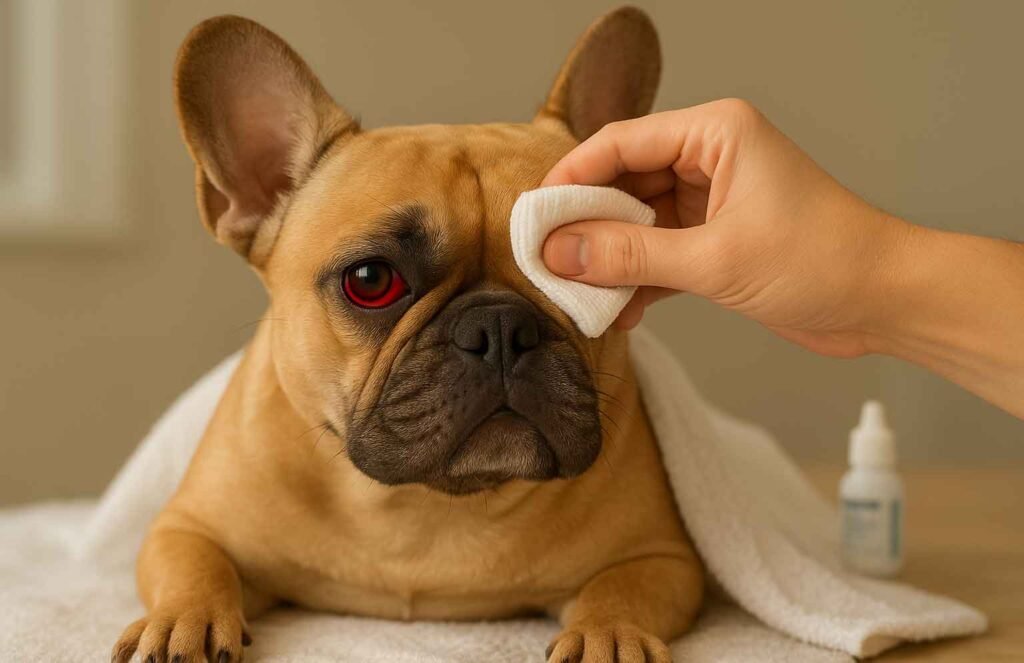
French Bulldog Dental Pain and Eating Difficulty: Signs, Causes, and How to Help Your Frenchie Feel Better
French Bulldog Dental Pain and Eating Difficulty: When a French Bulldog suddenly stops enjoying food, many owners assume they are just being picky. But in reality, dental pain is often the hidden reason behind eating problems in Frenchies.
French Bulldogs are known for their adorable faces, playful personalities, and lovable nature. But behind that cute smile, many Frenchies quietly struggle with dental issues that can seriously affect their comfort and overall health. One of the most overlooked problems among pet owners is French bulldog dental pain and eating difficulty.
Because French Bulldogs have short snouts and compact mouths, their teeth are often crowded together. This creates the perfect environment for plaque, tartar, and bacteria to build up. Over time, even a small dental issue can turn into painful gums, infected teeth, bad breath, and difficulty eating.
The hardest part is that dogs naturally hide pain. Your Frenchie may still wag their tail, play normally, and act happy while silently dealing with discomfort every single day. That is why noticing the early warning signs can make a huge difference in your dog’s health and quality of life. When a French Bulldog stops enjoying food, it’s often not behavior — it’s pain.
If your Frenchie has suddenly stopped eating, it could also be linked with other health issues like French Bulldog Not Eating But Drinking Water or early pain signs such as
Pain Signs in French Bulldogs Eating Less.
Good dental care at home starts with the right tools like a dog-safe toothbrush and enzymatic toothpaste for French Bulldogs:
🛒 Best products:
Quick Signs Your Frenchie May Have Dental Pain
- Bad breath that keeps getting worse
- Trouble chewing food or treats
- Drooling more than usual
- Red or bleeding gums
- Pawing at the mouth
- Avoiding hard food
- Swelling around the face or jaw
- Mood or behavior changes
Why French Bulldogs Are More Prone to Dental Problems
French Bulldogs are a brachycephalic breed, meaning they have a flat face and shortened jaw structure. While this gives them their signature look, it also means there is less space inside the mouth for all their teeth.
As a result, teeth often overlap or sit too close together. Food particles easily get trapped between the teeth, leading to bacteria growth and plaque buildup. Without regular cleaning, plaque hardens into tartar, which irritates the gums and increases the risk of infection.
Compared to many other dog breeds, French Bulldogs are more likely to develop:
- Gum disease
- Tooth decay
- Bad breath
- Loose teeth
- Inflamed gums
- Pain while chewing
This is why dental care should become part of your Frenchie’s routine from an early age.
Early Signs of French Bulldog Dental Pain and Eating Difficulty
One of the biggest mistakes owners make is expecting obvious signs of pain. Most French Bulldogs do not cry or whine when something hurts. Instead, they show subtle changes in behavior.
Eating difficulty in French Bulldogs can also be related to digestive or general health issues. In some cases, owners also notice symptoms like French Bulldog Digestive Issues Symptoms or sudden refusal to eat completely as explained in Why is My Frenchie Not Eating?.
Persistent bad breath can sometimes be controlled with vet-approved dental gels and water additives :
🛒 Best products:
- Dental gel for dogs (bad breath / gum infection)
- Plaque remover spray
- Oral care water additive
Eating More Slowly Than Usual
If your Frenchie suddenly takes longer to finish meals, drops food from their mouth, or avoids crunchy food, tooth pain could be the reason.
Some dogs still want to eat because they are hungry, but chewing becomes uncomfortable.
Avoiding Hard Food or Treats
Many French Bulldogs with dental pain stop chewing toys or refuse hard treats and dry kibble. Some dogs may only want soft food because it feels easier on their teeth and gums.
Bad Breath That Keeps Getting Worse
A strong or foul smell coming from your dog’s mouth is often one of the first signs of dental disease. Persistent bad breath usually means bacteria are building up below the gumline.
Red, Swollen, or Bleeding Gums
Healthy gums should look pink and clean. If the gums appear swollen, dark red, or bleed easily, your dog may already have gum disease.
Excessive Drooling
Some Frenchies drool more than normal when their mouth hurts. In more serious cases, you may even notice blood in the saliva.
Pawing at the Mouth
Dogs often rub their face on furniture or paw at their mouth when they are trying to deal with discomfort.
Mood and Behavior Changes
You may notice your usually playful Frenchie becoming quieter, sleeping more, avoiding interaction, or losing interest in favorite toys and activities.
Pain affects dogs emotionally too, not just physically.
If your Frenchie is also shaking, weak, or refusing food completely, it may indicate a more serious health problem like Why Is My French Bulldog Shaking and Not Eating.
Common Dental Problems in French Bulldogs
Several dental conditions can cause French bulldog dental pain and eating difficulty.
Plaque and Tartar Buildup
Food and bacteria stick to the teeth after meals. If not cleaned properly, the buildup hardens into tartar near the gums.
Gingivitis and Gum Disease
Inflamed gums can become painful and infected over time. Advanced gum disease may eventually lead to tooth loss.
Broken or Cracked Teeth
Frenchies love chewing, but hard bones, antlers, and very tough toys can crack teeth. A broken tooth exposes sensitive nerves and can make eating extremely painful.
Tooth Root Infections
Infections below the gumline are serious and may cause swelling around the face or jaw.
Retained Baby Teeth
French Bulldog puppies sometimes keep their baby teeth even after adult teeth begin growing in. This creates overcrowding and increases the risk of future dental problems.
French Bulldog Puppies and Teething Problems
Frenchie puppies go through a difficult teething stage between 3 and 7 months old. During this time, baby teeth fall out while adult teeth grow in.
Puppies may:
- Chew on everything
- Drool more than usual
- Have sore gums
- Eat less temporarily
- Become slightly irritable
This stage is completely normal, but owners should still monitor the puppy’s mouth carefully.
If you notice an adult tooth growing beside a baby tooth instead of replacing it, contact your veterinarian. Retained teeth are very common in French Bulldogs and can lead to long-term dental issues if ignored.
How to Help a French Bulldog with Dental Pain
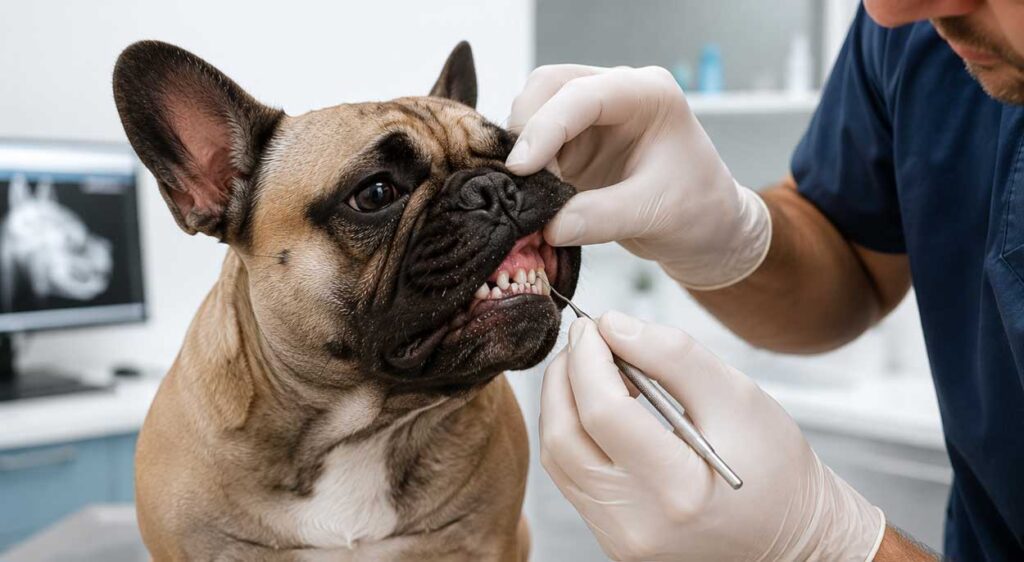
If your dog is showing signs of French bulldog dental pain and eating difficulty, early treatment is extremely important.
Switching to a soft feeder bowl or wet food diet can make eating easier during dental pain:
🛒 Best products:
- Soft silicone feeding bowl
- Slow feeder bowl
- Soft wet dog food (puppy recovery food)
- Bone broth for dogs
Schedule a Veterinary Checkup
A professional dental exam is the best way to identify hidden problems. Some dental issues happen below the gumline and cannot be seen easily at home.
Your vet may recommend dental X-rays to check for infections or damaged tooth roots.
Professional Dental Cleaning
A professional cleaning removes plaque and tartar safely, especially around the gumline where bacteria collect.
This procedure can greatly improve your dog’s comfort and prevent future problems.
Switch to Softer Food Temporarily
Soft or moistened food is often easier for dogs with mouth pain to eat comfortably.
Many owners soak dry kibble in warm water during recovery to make chewing less painful.
Use Safe Dental Chews
Vet-approved dental chews can help reduce plaque buildup without damaging sensitive teeth.
Avoid extremely hard chews because they may crack teeth.
Follow Your Vet’s Treatment Plan
If infection or severe inflammation is present, your dog may need medication or additional dental treatment.
Never give human pain medicine to dogs unless your veterinarian specifically approves it.
How to Prevent Dental Problems in French Bulldogs
Good dental care can prevent many painful issues before they start.
Brush Your Frenchie’s Teeth Regularly
Brushing your dog’s teeth several times a week helps remove plaque before it hardens into tartar.
Always use:
- A dog toothbrush
- Dog-safe toothpaste
Human toothpaste is not safe for dogs.
Start Dental Care Early
The earlier your Frenchie gets used to mouth handling and brushing, the easier dental care becomes later in life.
Provide Safe Chew Toys
Rubber dental toys and soft chews can help naturally clean teeth while keeping your dog entertained.
Feed a Healthy Diet
Balanced nutrition supports healthy gums and stronger teeth.
Schedule Annual Dental Exams
Routine vet visits help catch small problems before they turn into painful and expensive dental disease.
How Dental Disease Affects Overall Health
Many owners do not realize that dental problems can affect the entire body.
Bacteria from infected gums can enter the bloodstream and spread to important organs like:
- The heart
- Kidneys
- Liver
Untreated dental disease may also weaken your dog’s immune system and lower their overall quality of life.
Keeping your Frenchie’s mouth healthy is not only about fresh breath — it is about protecting their long-term health, comfort, and happiness.
When You Should Call the Vet Immediately
Contact your veterinarian right away if your French Bulldog has:
- Severe bad breath
- Refuses food or water
- Bleeding gums
- Facial swelling
- Loose or broken teeth
- Pus around the gums
- Crying while eating
- Sudden behavior changes
Quick treatment can prevent serious infections and help your dog feel better faster.
If treatment becomes necessary, some cases may require advanced care or surgery, which you can understand better in French Bulldog Surgery Cost in USA
Frequently Asked Questions
Why is my French Bulldog suddenly having trouble eating?
Dental pain, swollen gums, broken teeth, or infection are some of the most common reasons French Bulldogs suddenly struggle to eat.
Can teething cause eating difficulty in French Bulldog puppies?
Yes. Teething can make gums sore and sensitive, causing puppies to eat less or avoid hard food temporarily.
How often should I brush my Frenchie’s teeth?
Ideally, you should brush your French Bulldog’s teeth daily. However, even brushing a few times a week can greatly reduce plaque buildup.
Are French Bulldogs more likely to have dental problems?
Yes. Because of their small mouths and crowded teeth, French Bulldogs are more prone to plaque buildup, gum disease, and tooth issues than many other breeds.
Final Thoughts
French Bulldogs may be small dogs, but dental pain can have a huge impact on their daily life. Since they naturally hide discomfort, many owners miss the early signs until eating becomes difficult.
Paying close attention to the symptoms of French bulldog dental pain and eating difficulty can help you catch problems early and protect your dog from unnecessary suffering.
Simple habits like regular brushing, healthy chewing options, professional dental cleanings, and yearly vet exams can make a huge difference in your Frenchie’s health and happiness.
Frenchies cannot tell us when their mouth hurts, so noticing the small signs early is one of the best ways to protect their comfort, health, and quality of life.
A healthy mouth means easier eating, better comfort, more energy, and a happier life for your furry best friend.
Most Frenchies don’t show pain until it becomes serious — that’s why small daily observation matters more than anything else.