
How Color Affects Health in French Bulldogs: Facts vs Myths
How Color Affects Health in French Bulldogs : French Bulldogs are one of the most loved dog breeds in the United States. Their compact size, playful personality, and adorable faces make them irresistible. But one topic that often creates confusion and heated debate is coat color—especially when it comes to health.
You may have seen phrases like “no fad colors,” “unethical breeders,” or “rare colors cause health problems” floating around social media. This has left many future Frenchie owners wondering: How color affects health in French Bulldogs — does it really?
Let’s break it down honestly, clearly, and without fear-based misinformation.
Understanding French Bulldog Coat Colors
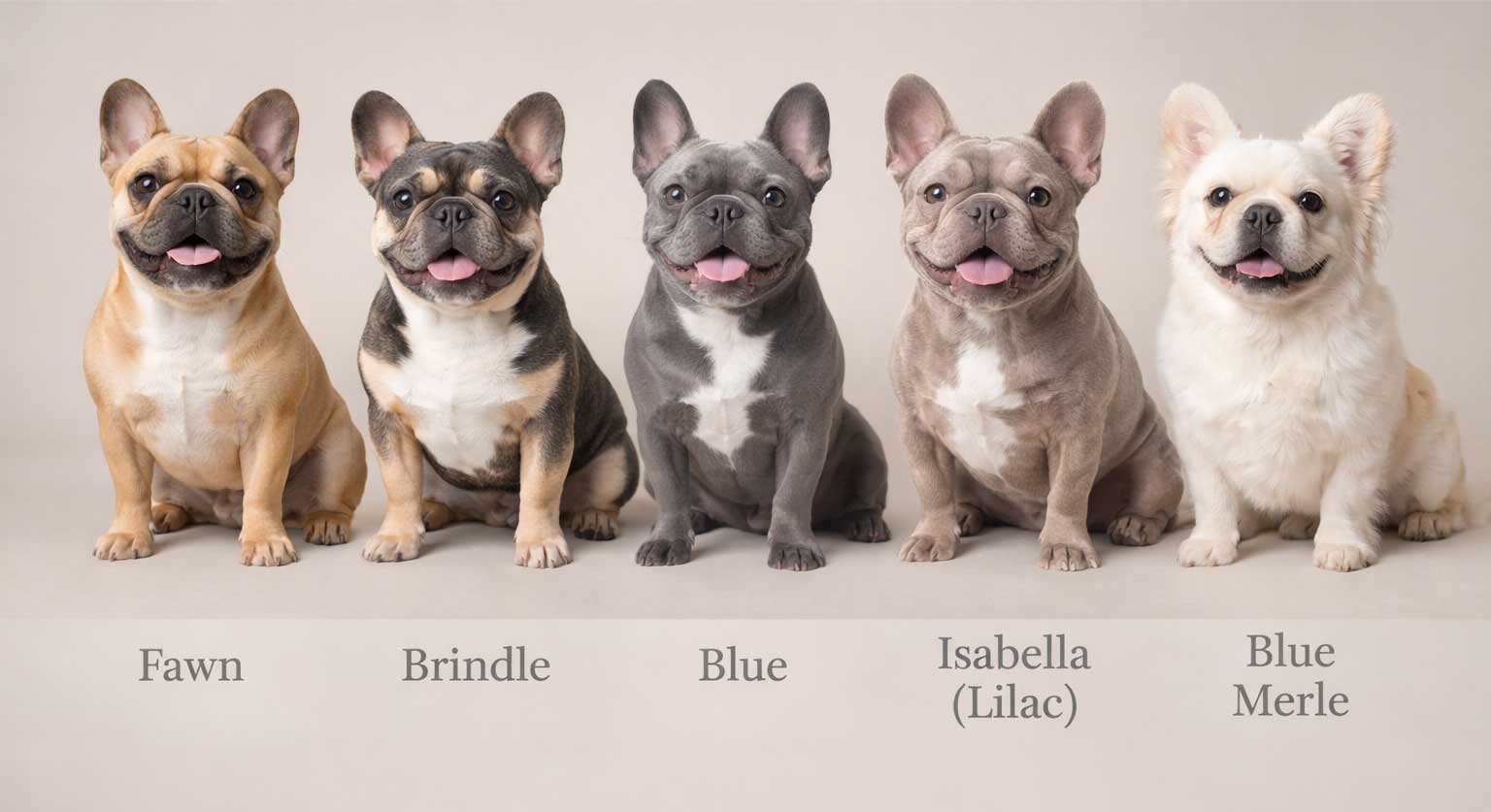
French Bulldogs come in a wide range of colors and patterns. These colors are simply the result of genetics passed down from the parents.
Standard French Bulldog Colors
- Brindle
- Fawn
- Cream
- Black
- Any mix of the above
Non-Standard (Rare or Exotic) Colors
- Blue
- Lilac
- Chocolate
- Isabella
- Merle
- Platinum
- Blue fawn
- Any of the above with tan points
While kennel clubs may label some colors as “non-standard,” that does not automatically mean they are unhealthy.
Are “Fad Colors” Really New?
The term “fad color” suggests that these colors are trendy, temporary, or newly created. In reality, that’s not true.
For example, blue French Bulldogs have existed since the 1800s. These colors didn’t suddenly appear—they were simply less common and not accepted by certain registries.
Calling them “fad colors” is misleading and often used to discourage competition rather than protect dogs.
How Color Affects Health in French Bulldogs (The Truth)
Here’s the most important fact:
Coat color alone does NOT determine a French Bulldog’s health.
Health issues come from poor breeding practices, not from color itself.
What Actually Affects Health
- Genetics
- Breeding two dogs with risky gene combinations
- Poor structure (nose, spine, hips, feet)
- Lack of health testing
- Inexperienced or irresponsible breeders
A well-bred blue, lilac, or merle Frenchie can be just as healthy as a brindle or fawn one.
The Truth About Blue and Merle French Bulldogs
Blue French Bulldogs
Blue is caused by a dilution gene that changes black pigment to a grayish tone. Some people claim blues always have skin or allergy issues—but there is no solid research proving this.
Skin issues can happen in any color, including standard ones.
Merle French Bulldogs
Merle is a pattern, not a color. The merle gene itself does not cause health problems.
The real risk comes from merle-to-merle breeding, which should never be done. Responsible breeders know this and avoid it completely.
When bred correctly, merle French Bulldogs do not have a higher risk of defects than other colors.
What Really Matters More Than Color
Instead of focusing on coat color, future owners should look at:
✔ Breathing (open nostrils, no excessive snorting)
✔ Spine health
✔ Eye placement (not walleyed)
✔ Tight feet and balanced structure
✔ Parent dogs’ health
✔ Breeder knowledge and transparency
A strong structure and good genetics matter far more than color.
Do Some Colors Have More Visible Issues?
From real-world veterinary experience, lighter or white dogs sometimes appear to have more skin or ear issues—but that’s often because redness and inflammation show more easily on light coats.
That doesn’t mean they are less healthy—just easier to notice.
Choosing a Healthy French Bulldog
If you’re buying a French Bulldog in the US, ask these questions:
- Can I see the parents?
- Have they had health testing?
- Do they have breathing or allergy issues?
- Does the breeder understand genetics?
- Are they passionate about the breed or just selling puppies?
A short conversation with a breeder can tell you a lot.
Standard vs Non-Standard Colors: Cost & Reality
Non-standard colors usually cost more, not because they are better—but because they are rarer and harder to produce responsibly.
Higher price does not always mean higher quality. Health, ethics, and knowledge matter most.
Why the Focus on Color Hurts the Breed
The biggest issue facing French Bulldogs today is overall breed health, especially breathing problems. Some countries are even considering banning flat-faced breeds.
Instead of fighting over color, breeders and owners should work together to:
- Improve breathing
- Strengthen structure
- Reduce genetic issues
- Educate buyers
Changing this narrative starts with responsible breeding—not coat color policing.
Final Thoughts: How Color Affects Health in French Bulldogs
So, how color affects health in French Bulldogs?
It doesn’t—when breeding is done right.
Color does not decide:
- Temperament
- Intelligence
- Longevity
- Overall health
Good genetics, ethical breeding, and informed ownership do.
Choose your Frenchie based on health, structure, and breeder integrity—and if you love blue, lilac, or merle, that’s okay too.
A healthy French Bulldog is a happy one—no matter the color.