
French Bulldog Health Guide – Keep Your Frenchie Happy & Healthy
French Bulldog Health Guide : French Bulldogs are one of the most popular breeds in the United States, and for good reason. Their adorable flat faces, playful personalities, and affectionate nature make them perfect companions for families and individuals alike. But behind those big eyes and squishy faces lies a breed that requires special care, particularly in the US environment, where summer heat, urban living, and lifestyle habits can impact their health.
Many first-time Frenchie owners are surprised to learn that these small dogs are prone to specific health challenges, including breathing difficulties, skin issues, joint problems, and digestive sensitivities. Without proper attention, these issues can affect your pup’s quality of life.
I remember my first Frenchie, Max, a rescue from a California shelter. During his first summer, I realized that even a 10-minute walk in the afternoon left him panting heavily and struggling to breathe. That experience taught me the importance of understanding French Bulldog health inside out.
This guide is designed to help US-based Frenchie owners navigate:
- Common health concerns
- Preventive care strategies
- Diet and nutrition tailored to the US market
- Mental and emotional wellbeing
- Myths and FAQs
By the end of this guide, you’ll be equipped with the knowledge to help your French Bulldog thrive in any US city or suburb, from New York to Los Angeles. Whether you have a playful puppy or a senior dog, this guide covers everything you need to know to ensure a long, healthy, and joyful life for your Frenchie.
Check our French Bulldog Care & Grooming Guide for more tips.
1. Breathing Problems in French Bulldogs

Why French Bulldogs Have Breathing Issues
French Bulldogs have short noses and flat faces, known as brachycephalic features. While these features make them look cute, they also make breathing more difficult than in other dog breeds. This condition is called Brachycephalic Obstructive Airway Syndrome (BOAS).
Owners often don’t realize that even mild activities can stress a Frenchie’s respiratory system. Running, playing, or climbing stairs can quickly make them overheat or struggle for air.
Common Signs of Breathing Problems
- Loud snoring or wheezing while sleeping
- Heavy panting even during light activity
- Blue-tinged tongue or gums (emergency)
- Gagging or choking sounds
- Difficulty exercising or reluctance to play
How to Help Your Frenchie Breathe Easier
- Use a harness instead of a collar – This reduces pressure on their throat.
- Avoid overheating – Walk your Frenchie early morning or late evening.
- Maintain a healthy weight – Extra pounds make breathing even harder.
- Vet checkups – Early detection is key. Surgery may help in severe cases.
It’s heart-wrenching to see your Frenchie struggle for air. The key is patience, observation, and proactive care. With small changes, you can significantly improve their quality of life.
This French Bulldog Health Guide explains why early care and monitoring of breathing issues can significantly improve your dog’s quality of life.
Read: How to Manage French Bulldog Breathing Problems at Night
2. Skin & Allergies
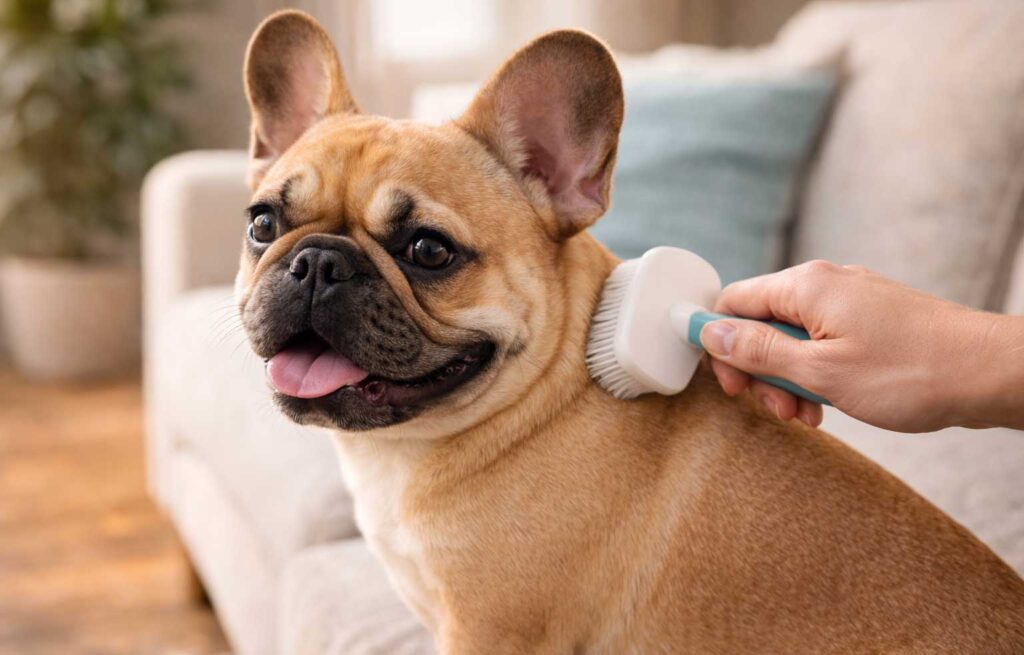
Why French Bulldogs Get Skin Problems
Frenchies have sensitive skin that can be prone to allergies, rashes, and infections. Allergies can be caused by food, environment, or contact with certain materials.
Common Types of Allergies
- Food Allergies – Common triggers include chicken, beef, dairy, and grains.
- Environmental Allergies – Pollen, dust, mold, and cleaning products can irritate the skin.
- Contact Allergies – Some shampoos, bedding, or toys can cause reactions.
Signs to Watch For
- Frequent scratching, licking, or biting
- Red, inflamed, or scaly patches
- Hair loss or bald spots
- Foul odor from the skin
How to Care
- Bathe your Frenchie weekly using gentle, vet-approved shampoo
- Keep bedding and play areas clean
- Observe diet changes and eliminate allergens gradually
- Consult your vet for medications or supplements
Seeing your Frenchie uncomfortable can be stressful. Gentle care, attention, and timely action can make a huge difference. A Frenchie who feels good in their skin is happier, playful, and more loving.
Read: French Bulldog Skin Care Tips
3. Hip & Joint Issues
Why French Bulldogs Are Prone to Hip Problems
Their compact bodies and short legs make French Bulldogs susceptible to hip dysplasia and joint issues. Even minor injuries can cause discomfort or long-term mobility issues.
Symptoms to Watch
- Limping or stiffness
- Difficulty climbing stairs or getting up
- Sudden reluctance to play
- Yelping during movement
Prevention & Care
- Keep your Frenchie at a healthy weight
- Moderate daily exercise to strengthen muscles
- Provide orthopedic beds
- Vet-recommended joint supplements can improve mobility
It’s painful to see a normally energetic pup struggle. With proper care and preventive measures, you can help your Frenchie stay mobile and happy for years.
Read: French Bulldog Training Tips
4. Eye Problems
Why French Bulldogs Have Eye Issues
French Bulldogs are prone to eye problems due to their facial structure. Their prominent, round eyes are cute but more exposed, which makes them vulnerable to injuries and infections. Common issues include cherry eye, tear stains, dry eyes, and corneal ulcers.
Common Eye Problems
- Cherry Eye – This occurs when the gland in the dog’s third eyelid protrudes. It can look red and swollen.
- Tear Staining – Excessive tearing causes brown or reddish stains around the eyes.
- Dry Eyes – Insufficient tear production can lead to irritation and infections.
- Corneal Ulcers – Scratches or infections on the cornea that need immediate vet attention.
Symptoms to Watch
- Redness or swelling
- Excessive tearing or discharge
- Pawing or rubbing at the eyes
- Squinting or sensitivity to light
How to Care
- Clean the area daily with a soft, damp cloth
- Use vet-approved eye drops if recommended
- Prevent trauma by trimming fur around eyes and supervising outdoor play
- Regular vet checkups to catch issues early
Your Frenchie expresses emotions through their eyes. Protecting their vision not only prevents discomfort but also keeps their world bright and joyful. Imagine your little buddy struggling to see—attention and care here make a huge difference in their happiness.
Read: Preventive Eye Care Tips for Dogs
5. Overheating & Exercise

Why French Bulldogs Overheat Easily
French Bulldogs have flat faces which make it difficult to breathe efficiently, especially in hot weather. Overheating is a common issue, and severe cases can be life-threatening.
Signs of Overheating
- Heavy panting
- Drooling more than usual
- Red or bluish tongue
- Weakness or lethargy
- Vomiting or collapse (emergency)
Tips to Prevent Overheating
- Avoid Peak Sun Hours – Walk early morning or late evening
- Keep Water Available – Hydration is critical
- Use Cooling Mats or Fans – Indoors or during travel
- Limit Outdoor Play – Short, frequent sessions are safer
- Never leave your Frenchie in a parked car
Exercise Guidelines
- Moderate exercise for 10–15 minutes at a time
- Gentle indoor play when weather is hot
- Monitor for fatigue or breathing difficulties
- Avoid overexertion during walks or playtime
French Bulldogs may look tiny, but they trust you to protect them. Overheating can be scary for both you and your pup. With proper care and awareness, you can ensure safe fun and healthy activity, making your bond stronger.
Frenchie-Specific Fitness & Mental Stimulation
Exercise is more than physical—it’s mental too.
- Gentle Cardio: Short indoor games like fetch or tug-of-war.
- Puzzle Toys: Hide treats in toys to keep their mind active.
- Training Games: Teach basic commands, fun tricks, or scent games—Frenchies are smart and love rewards.
- Stretching & Mobility: Gentle stretches for legs and back improve flexibility and prevent joint stiffness.
Play with your Frenchie daily—not just for fitness but for bonding. Mental stimulation reduces boredom, anxiety, and destructive behaviors.
French Bulldog Travel & Safety
Frenchies love being with you, but travel can be risky.
- Car Rides: Always use a harness or secured crate. Never leave a Frenchie alone in a parked car—temperatures rise dangerously fast.
- Flights: French Bulldogs are prone to breathing issues, so airlines may restrict them. Always consult your vet and the airline.
- Outdoor Adventures: Take a collapsible water bowl, cooling mat, and shade. Short walks in parks are best during early morning or late evening.
Emergency Situations & First Aid
French Bulldogs can get into trouble quickly. Knowing what to do saves lives.
- Heatstroke: Heavy panting, drooling, weakness. Move to shade, cool with wet towels, give small sips of water, and call your vet immediately.
- Choking: If your Frenchie swallows a small toy or bone, check the mouth and perform gentle Heimlich technique for dogs if needed.
- Allergic Reactions: Swelling, vomiting, hives, or difficulty breathing. Administer vet-recommended antihistamines and rush to the clinic.
Tip: Keep a small first aid kit with gauze, antiseptic wipes, and a thermometer at home.
Read: Indoor Activities for French Bulldogs
6. Nutrition & Diet Tips
Importance of Proper Nutrition
A healthy diet is crucial for maintaining energy, skin health, and joint strength. French Bulldogs are prone to weight gain, so feeding the right food in the right amounts is essential.
Choosing the Right Food
- Protein-rich dog food to maintain muscle
- Avoid fillers like corn, soy, or artificial additives
- Include omega fatty acids for skin and coat
- Consider breed-specific formulas
Portion Control
- Feed according to your dog’s age, weight, and activity level
- Avoid overfeeding—Frenchies gain weight easily
- Monitor treats and table scraps
Sample Daily Meal Plan
Morning:
- ½ cup high-quality dry kibble + small portion of wet food
Afternoon Snack: - Small healthy treat like carrot sticks or apple slices
Evening: - ½ cup kibble + omega-3 supplement (if vet recommends)
Supplements
- Joint support: glucosamine & chondroitin
- Omega-3 fatty acids for coat health
- Multivitamins only if recommended by vet
Feeding your Frenchie is not just about food—it’s an act of love and care. Seeing your little companion enjoy meals while thriving physically gives a deep sense of satisfaction. Proper nutrition helps prevent future health issues, keeping your pup playful and happy.
Proper nutrition plays a vital role in this French Bulldog Health Guide, helping prevent obesity, allergies, and joint stress.
Read: Best Dog Food for French Bulldogs
7. French Bulldog Life Stages: Puppy, Adult & Senior Care

French Bulldogs are more than just cute faces—they’re sensitive, loving companions who rely on you at every stage of life. Their needs change as they grow, and understanding these stages can help prevent health problems, support their emotional wellbeing, and keep them happy and playful for years. Let’s explore the care tips for each life stage:
Puppies (0–12 months)
The puppy stage is full of curiosity, playfulness, and learning. But it’s also a critical time for their health, growth, and social development.
Breathing & Safety: Puppies are especially prone to overheating. Even a few minutes of play in the hot sun can leave them panting or exhausted. Keep walks short, in shaded areas, and always monitor for signs of fatigue.
Nutrition: Frenchie puppies grow fast, and their diet must support this growth without adding extra weight. Feed small, frequent meals of high-quality, high-protein, grain-free food. Avoid overfeeding, as obesity can start early and cause lifelong joint and breathing issues.
Socialization: Early exposure to friendly dogs, people, and different environments helps reduce anxiety later in life. Positive experiences now build a confident, happy adult dog.
Mental Stimulation: Puppies have a sharp, growing mind. Simple toys, puzzle feeders, and short training sessions teach problem-solving skills and basic commands. Mental stimulation reduces boredom, destructive behavior, and stress.
Puppies look to you for comfort and reassurance. Gentle petting, praise, and cuddles not only calm them but also create a lifelong bond built on trust and love.
Adults (1–6 years)
Adult French Bulldogs are playful yet calm, loyal, and affectionate. They thrive with consistent routines, proper care, and attention to their health and mental wellbeing.
Exercise: Moderate exercise is essential—10–15 minutes, twice a day, is sufficient. Avoid long runs or strenuous stairs, as these can strain their breathing and joints. Gentle indoor play is great, especially in hot weather.
Health Monitoring: Keep an eye on weight, breathing, joints, and energy levels. Annual vet visits are crucial for early detection of issues. Even small changes, like reduced enthusiasm for walks, can indicate a hidden health problem.
Diet: Portion control is key. Consider supplements like omega-3 fatty acids for skin and coat health, and glucosamine or chondroitin to support joint health. Avoid table scraps and unnecessary treats.
Mental Stimulation: Adults enjoy interactive toys, training challenges, and short games that keep their mind sharp. Engaging your Frenchie emotionally strengthens your bond and keeps them happy.
Adult Frenchies crave companionship. Daily cuddle sessions, gentle massages, or short playtimes reinforce love and emotional security.
Seniors (7+ years)
Senior French Bulldogs are wise, gentle, and full of personality. Their care requires more attention to health, comfort, and emotional support.
Joint Care: Older Frenchies are prone to arthritis and stiffness. Provide orthopedic beds, non-slip surfaces, and gentle exercises like slow indoor play or supervised swimming. Vet-approved joint supplements can improve mobility and reduce discomfort.
Nutrition: Senior diets usually have fewer calories but higher-quality nutrients to support aging organs and maintain weight. Monitor food intake closely, as weight gain or loss can indicate underlying health issues.
Health Checks: Regular eye, heart, liver, and kidney screenings become increasingly important. Watch for early signs of illness—slower walks, less interest in play, or changes in sleep patterns may signal that your pup needs veterinary attention.
Mental & Emotional Care: Senior Frenchies may nap more, but they still need social interaction and emotional stimulation. Gentle petting, short play sessions, and soft talking can keep them engaged and reduce anxiety or loneliness.
Aging dogs communicate through subtle cues. A gentle hand on their back, soft praise, or a cozy blanket can make their golden years comfortable and happy. Observing and responding to these cues strengthens your bond and ensures a peaceful, joyful life.
Why Life Stage Care Matters
Every French Bulldog deserves care tailored to their age. From energetic puppies to calm adults and gentle seniors, attention to diet, exercise, mental stimulation, and emotional wellbeing helps prevent health issues and builds a strong bond. By noticing little changes, responding to their needs, and providing love at every stage, you ensure your Frenchie remains happy, healthy, and full of life throughout their years.
8. Preventive Care & Vet Visits
Why Preventive Care is Crucial
Prevention is always better than cure. French Bulldogs may be small, but they are prone to health issues that can escalate quickly if ignored. Routine checkups and preventive measures can save you from stress, expensive treatments, and unnecessary suffering for your pup.
Key Preventive Measures
- Annual Vet Visits
- Regular health checks detect issues early
- Discuss vaccines, supplements, and diet
- Get your dog weighed and check mobility
- Vaccinations
- Core vaccines protect against deadly diseases like parvovirus, distemper, and rabies
- Non-core vaccines may be needed depending on your location
- Dental Care
- Brush teeth 2–3 times per week
- Provide dental chews to prevent tartar build-up
- Poor dental hygiene can lead to heart and kidney problems
- Parasite Control
- Use vet-approved flea, tick, and worm treatments
- Check your dog after outdoor activities
- Observation at Home
- Monitor appetite, energy levels, stool consistency, and skin condition
- Keep track of breathing patterns and exercise tolerance
Regular vet visits may seem routine, but they are acts of love and responsibility. Nothing is more reassuring than knowing your Frenchie is healthy and safe. Prevention keeps both you and your pup stress-free, allowing more time for cuddles and play.
Regular vet visits and preventive steps form the foundation of this French Bulldog Health Guide for long-term health.
9. Emotional Wellbeing of Your Frenchie

Why Mental Health Matters
French Bulldogs are social and sensitive dogs. Physical health is important, but emotional wellbeing is equally crucial. Neglecting their mental health can lead to stress, anxiety, and behavioral issues.
Tips to Keep Your Frenchie Happy
- Quality Time
- Daily bonding through play, cuddles, or gentle training
- Short walks, indoor games, or interactive toys
- Safe Environment
- Provide a comfortable space with a cozy bed
- Avoid loud noises and stressful situations
- Social Interaction
- Introduce to new people and dogs slowly
- Encourage gentle playdates
- Prevent Separation Anxiety
- Gradually increase alone time
- Provide puzzle toys or chewables when you’re away
Your Frenchie looks to you for comfort, security, and affection. A happy pup is healthier, more playful, and forms a strong emotional bond with you. Remember, care is not just physical—it’s emotional too.
Read: French Bulldog Training & Behavior Guide
10. Common Health Myths
Myth 1: French Bulldogs Don’t Need Exercise
Reality: Frenchies need regular, moderate exercise to stay fit and prevent obesity. Short walks and indoor play are ideal.
Myth 2: All Dog Foods Are the Same
Reality: Quality food impacts weight, coat, and overall health. Choose breed-appropriate, nutrient-rich options.
Myth 3: Flat Face Means No Breathing Problems
Reality: Their flat faces can cause serious respiratory issues. Always monitor breathing and avoid overheating.
Myth 4: French Bulldogs Don’t Get Sick Often
Reality: They are prone to skin, joint, eye, and heart issues. Preventive care is essential.
Believing myths can put your Frenchie at risk. Understanding the truth allows you to provide proper care, ensuring a happy and healthy life.
FAQs
Q1: How often should I take my Frenchie to the vet?
A: At least once a year, more often for puppies or senior dogs.
Q2: How can I tell if my Frenchie is overweight?
A: Check if you can feel ribs but not see them. Obesity increases health risks.
Q3: Can French Bulldogs tolerate hot weather?
A: No, they overheat easily. Walk in shaded areas, provide water, and monitor for fatigue.
Q4: How do I prevent breathing problems?
A: Use a harness, avoid over-exertion, maintain healthy weight, and consult vet regularly.
Q5: What is the best diet for my Frenchie?
A: High-protein, low-carb, breed-specific diets with omega fatty acids and supplements as advised.
Q6: How do I manage separation anxiety?
A: Gradually increase alone time, provide toys, and use positive reinforcement for calm behavior.
Q7: How do I care for tear stains and eye issues?
A: Clean daily, trim hair, and use vet-approved drops or wipes.
Q8: When should I consider joint supplements?
A: If your Frenchie is aging, overweight, or showing signs of stiffness or discomfort.
Q9: Are vaccines really necessary?
A: Yes, core vaccines prevent life-threatening diseases, while non-core depend on risk factors.
Q10: Can French Bulldogs eat table scraps?
A: Only occasionally, avoid harmful foods like chocolate, onions, and excess fat.
Q11: Can French Bulldogs swim?
A: Some can, but they’re not natural swimmers. Always supervise and use dog life jackets.
Q12: How do I stop my Frenchie from snoring?
A: Use a harness instead of a collar, keep weight in check, and avoid sleeping in hot rooms. Severe snoring may need vet attention.
Q13: Can Frenchies live in apartments?
A: Yes! They love indoor living but need daily mental stimulation and short walks.
Q14: Are French Bulldogs good with children?
A: Usually yes, but supervise interactions and teach kids gentle handling.
Q15: How can I prevent tear stains?
A: Clean eyes daily, trim hair around eyes, and check diet—some foods reduce staining.
Q16: What toys are best for Frenchies?
A: Soft chew toys, puzzle toys, and small fetch balls. Avoid very hard toys that can damage teeth.
Q17: How can I tell if my Frenchie is in pain?
A: Watch for limping, whimpering, less play, changes in appetite, or changes in breathing patterns.
Q18: Can French Bulldogs eat fruits or vegetables?
A: Yes, safe options include carrots, blueberries, and apple slices (no seeds).
Q19: How do I clean Frenchie folds properly?
A: Use gentle wipes daily, make sure folds are dry to prevent infections, and never leave moisture trapped.
Q20: How often should I bathe my Frenchie?
A: Usually once a week or as needed. Over-bathing can dry out skin; always use gentle, vet-approved shampoo.
11. Conclusion
Caring for a French Bulldog is a journey of love, patience, and attention. From their playful puppy days to adult years, they rely on you for both physical health and emotional wellbeing.
With proper nutrition, preventive care, exercise, and mental stimulation, your Frenchie can live a long, joyful, and healthy life. Watching them play, snuggle, and respond to your love is an unmatched reward.
Remember, health is not just physical. Emotional care, attention, and bonding are equally important. A well-cared-for French Bulldog is happier, playful, and forms a deep connection with their owner.
By following this French Bulldog Health Guide, you can make informed decisions that keep your Frenchie healthy, happy, and comfortable.
Bonus Tips for US Owners
- City Living: Avoid hot sidewalks and crowded parks. Frenchies prefer shaded areas and early morning walks.
- Seasonal Care: Winter: short walks and dog sweaters; Summer: cooling mats, shaded indoor time.
- Vet Recommendations: US vets often recommend breed-specific formulas and preventive supplements. Consult before adding anything new.