French Bulldog Training & Behavior Guide (USA)
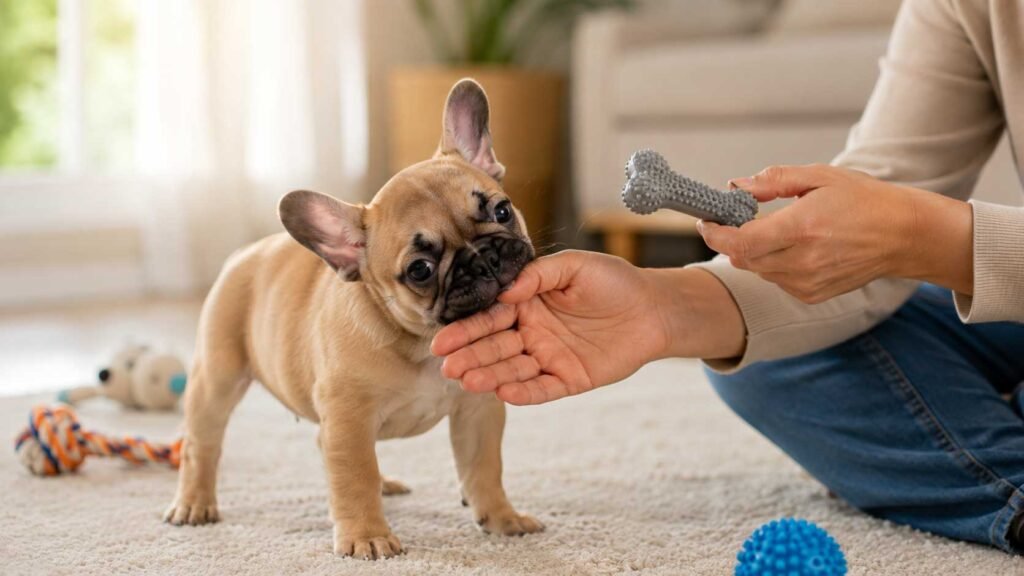
Bringing a French Bulldog into your home is a joyful and emotional experience. With their big ears, expressive eyes, and playful nature, Frenchies quickly become part of the family. However, behind that adorable face is a dog that needs clear guidance, patience, and structure. This French Bulldog Training Guide is not just about teaching commands—it’s about building trust, shaping good behavior, and creating a calm, happy life together.
French Bulldogs are loving and intelligent dogs, but they are also known for being stubborn and independent. Many owners in the USA live in apartments, condos, or busy neighborhoods, where good manners are not optional—they are necessary. From loud street noises and elevators to visitors in your home, your Frenchie must learn how to stay calm, confident, and well-behaved in everyday situations.
Proper training helps your French Bulldog understand what is expected of them. Without guidance, even a gentle Frenchie can develop behavior problems like excessive barking, chewing furniture, pulling on the leash, or ignoring commands. These behaviors do not mean your dog is bad. They simply mean your dog has not yet been taught the right way to behave.
In the United States, French Bulldogs are more than pets—they are family members. They sleep on our couches, travel with us, and spend most of their time indoors. Because of this close bond, behavior problems can affect both the dog and the owner emotionally. A well-trained Frenchie feels safe, confident, and relaxed. An untrained one may feel anxious, confused, or overwhelmed.
This French Bulldog Training Guide is designed specifically for owners in the USA. It focuses on positive reinforcement, apartment-friendly training methods, and real-life behavior challenges—helping you raise a happy, well-behaved French Bulldog while strengthening the bond you share.
Building a Happy, Well-Behaved Frenchie
This guide is designed specifically for French Bulldog owners in the USA. It focuses on:
- Training methods that work well in apartments and city homes
- Positive reinforcement techniques approved by modern dog trainers
- Real-life behavior challenges faced by American dog owners
- Gentle, effective solutions that strengthen your bond
Training is not about control or punishment. It’s about communication. Every time your Frenchie learns something new, they learn to trust you more. They begin to feel safe because they understand their world better. That trust turns into loyalty, affection, and lifelong companionship.
There’s something deeply rewarding about watching your Frenchie sit calmly, walk proudly beside you, or greet guests politely. Those moments are not just training wins—they are emotional connections that make all the effort worth it.
📌 Quick Navigation – Jump to Any Section
- 👉 Importance of Early Training for French Bulldogs
- 👉 Socialization Techniques for Confident Frenchies
- 👉 House Training & Potty Training French Bulldogs
- 👉 Teaching Basic Commands to French Bulldogs
- 👉 Correcting Bad Behavior in French Bulldogs
- 👉 Advanced Training Techniques for French Bulldogs
- 👉 Mental Stimulation & Enrichment for French Bulldogs
- 👉 Frequently Asked Questions (FAQs) for French Bulldog Owners
- 👉 Conclusion
1. Importance of Early Training for French Bulldogs (USA)
Early training is one of the most important gifts you can give your French Bulldog. The first few months of a puppy’s life shape how they see the world, how they behave, and how they respond to people and situations. In the USA, where French Bulldogs often live in apartments, townhomes, or busy neighborhoods, early training is not just helpful—it is necessary.
Why Early Training Matters So Much
French Bulldog puppies usually come home at around 8 to 12 weeks old. At this age, their brains are like sponges. They are curious, alert, and eager to learn. Whatever habits they form during this stage—good or bad—tend to stick for life.
Without early training, Frenchies may develop common behavior problems such as:
- Chewing furniture, shoes, or walls
- Barking at every sound in an apartment building
- Jumping on guests and children
- Refusing to listen when called
- Pulling hard on the leash during walks
These behaviors are not signs of a “bad dog.” They are signs of a puppy that has not yet learned boundaries or routines.
Early Training Builds Structure and Confidence
French Bulldogs thrive on routine. Early training teaches them:
- When to eat
- When to go outside
- Where to sleep
- How to behave around people
This structure makes your puppy feel safe. A puppy who understands their daily routine feels less anxious and more confident. In busy American households—especially homes with children, visitors, or other pets—this structure prevents chaos and stress.
Apartment & City Living in the USA
Many French Bulldogs in the USA live in apartments or condos. Early training helps prevent problems like:
- Complaints from neighbors due to barking
- Potty accidents indoors
- Fear of elevators, stairs, or street noise
- Overexcitement around strangers
Teaching calm behavior early makes life easier for both you and your dog.
The Emotional Side of Early Training
Training a young Frenchie is not just about obedience—it’s about bonding. When your puppy learns that listening to you brings praise, treats, and affection, trust grows naturally.
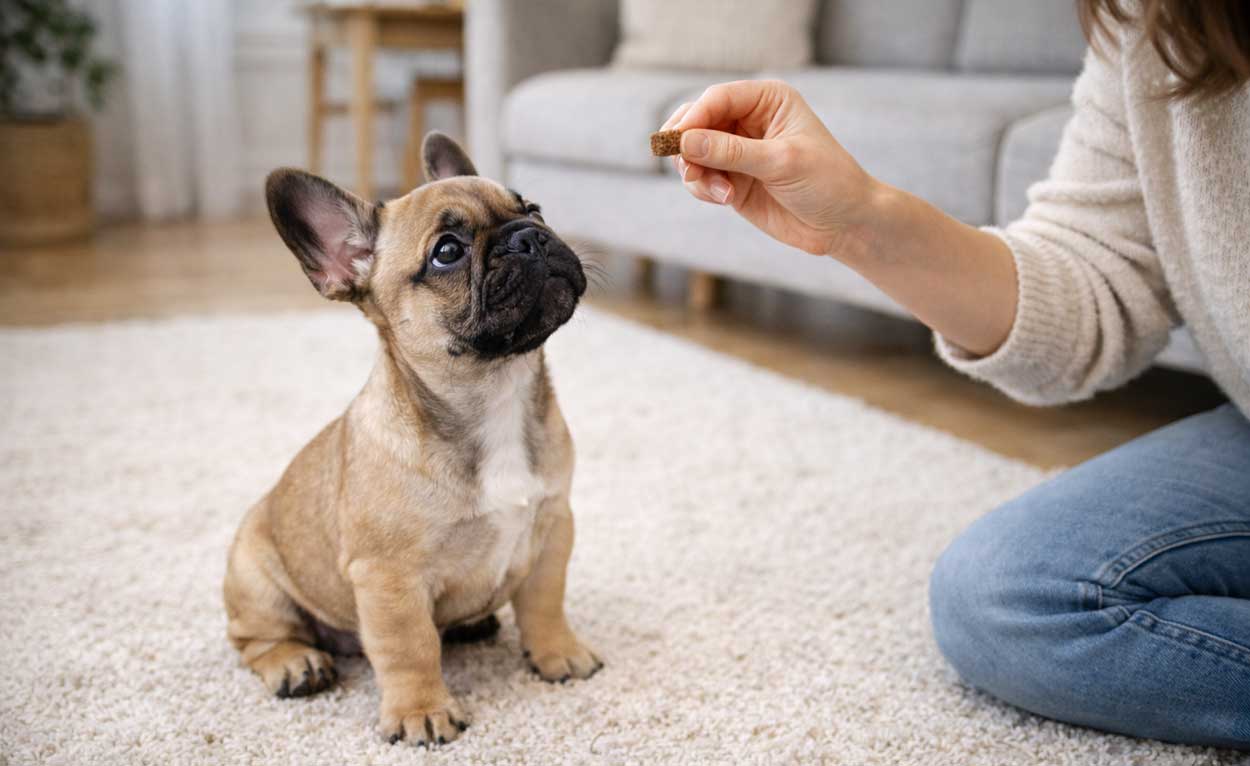
Those quiet moments—your puppy sitting patiently, looking up at you, waiting for guidance—are powerful. They learn that you are their safe place. That emotional connection is built early and lasts a lifetime.
What Happens If Training Starts Late?
Late training is possible, but it often takes more time and effort. Dogs that miss early guidance may struggle with:
- Fear-based behavior
- Stubbornness
- Anxiety in new environments
Starting early saves you stress, frustration, and confusion later on.
Key Takeaway
Early training lays the foundation for:
- Good manners
- Emotional stability
- Strong communication
- A happy, well-adjusted French Bulldog
When you invest time in training early, you’re not just teaching commands—you’re building a future filled with trust, calmness, and love.
2. Socialization Techniques for Confident French Bulldogs (USA)

Socialization is one of the most important parts of raising a well-behaved French Bulldog. A properly socialized Frenchie grows into a calm, friendly, and confident adult dog. Without socialization, even a loving dog can become fearful, anxious, or reactive in everyday situations.
In the USA, French Bulldogs are often exposed to many different experiences—busy streets, delivery trucks, elevators, children, visitors, other dogs, and loud noises. Socialization helps your Frenchie understand that these things are normal and not something to fear.
What Is Socialization?
Socialization means gently and positively introducing your French Bulldog to the world. This includes:
- Different people (men, women, children, seniors)
- Other dogs and pets
- New environments
- Everyday sounds and movements
The goal is not to overwhelm your puppy, but to help them feel safe and confident.
Best Age to Start Socialization
The ideal socialization window is between 8 and 16 weeks of age. During this time, puppies are naturally curious and open to new experiences. However, socialization should continue throughout your Frenchie’s life.
Socializing Your Frenchie the Right Way
1. Introduce New People Calmly
Invite friends or family members to your home. Ask them to:
- Speak softly
- Avoid sudden movements
- Offer treats gently
This teaches your Frenchie that meeting new people is a positive experience.
2. Safe Puppy Playdates
Arrange short play sessions with:
- Vaccinated puppies
- Calm, friendly adult dogs
Supervise closely and end the session if your puppy becomes tired or stressed.
3. Explore Different Environments
Take your Frenchie to:
- Quiet parks
- Sidewalks
- Pet-friendly stores
- Outdoor cafés (from a distance)
In American cities, exposure to different settings helps prevent fear of crowds, traffic, and noise.
4. Sound Desensitization
Gradually expose your Frenchie to:
- Doorbells
- Vacuum cleaners
- Traffic noise
- Fireworks (low volume at first)
Pair these sounds with treats and praise so your dog learns they are safe.
5. Positive Reinforcement Is Key
Always reward calm behavior with:
- Treats
- Praise
- Gentle affection
Never force your puppy into situations they fear.
Common Socialization Mistakes to Avoid
- Forcing interactions
- Skipping socialization after puppyhood
- Punishing fearful behavior
- Exposing your puppy to unsafe dogs
Socialization teaches your French Bulldog that the world is a friendly place. Each positive experience builds confidence and reduces fear.
When your Frenchie calmly greets a stranger or walks confidently through a busy street, you’ll feel proud—not just of their behavior, but of the trust you’ve built together.
Key Takeaway
A well-socialized French Bulldog is:
- Friendly, not fearful
- Calm, not reactive
- Confident, not anxious
Socialization is a lifelong gift that helps your Frenchie enjoy the world safely and happily.
3. House Training & Potty Training French Bulldogs (USA)

House training is often the biggest concern for new French Bulldog owners. Potty accidents can feel frustrating, especially if you live in an apartment or have limited outdoor space. The good news is that French Bulldogs can be successfully house trained—but they need patience, routine, and consistency.
French Bulldogs are clean dogs by nature. They don’t like living in dirty spaces. However, they are also sensitive and sometimes stubborn, which means harsh methods or punishment can slow down progress instead of helping.
When to Start Potty Training
Potty training should begin the very first day your Frenchie comes home. Puppies do not automatically know where to go. They must be shown—again and again—until it becomes a habit.
In the USA, many owners use:
- Apartment balconies
- Small yards
- Designated potty areas
- Leash walks
No matter your setup, the process remains the same.
Understanding Your Frenchie’s Potty Schedule
French Bulldog puppies usually need to go potty:
- Right after waking up
- After eating or drinking
- After playtime
- Every 2–3 hours during the day
Missing these moments often leads to accidents indoors.
Creating a Consistent Routine
Consistency is the secret to successful potty training.
Try to:
- Take your puppy to the same potty spot every time
- Use a simple phrase like “Go potty”
- Praise immediately after they finish
Your Frenchie learns through repetition. A predictable routine helps them understand what is expected.
Crate Training and Its Role in Potty Training
Crate training is extremely helpful for house training French Bulldogs.
Why crates work:
- Dogs naturally avoid soiling their sleeping area
- Crates prevent wandering and accidents
- They provide a sense of safety
The crate should:
- Be just large enough for standing and turning
- Include soft bedding
- Never be used as punishment
In many US homes, crate training is recommended by professional trainers and veterinarians.
Handling Potty Accidents Calmly
Accidents are normal—especially in the first few weeks.
What not to do:
- Yell or punish
- Rub your dog’s nose in it
- Show anger
These actions can cause fear and confusion.
What to do:
- Clean the area thoroughly with an enzyme cleaner
- Take your puppy outside more often
- Stay calm and patient
Apartment Potty Training Tips (USA Focus)
For apartment living:
- Use elevator breaks wisely
- Keep leash and shoes ready
- Consider temporary potty pads (short-term only)
Gradually transition from pads to outdoor potty areas.
Potty training tests your patience, but it also builds trust.
One day, you’ll realize your Frenchie is sitting by the door, waiting to go outside. That moment feels small—but it’s a sign of communication, understanding, and growth. That’s when you know the bond is working.
How Long Does Potty Training Take?
Most French Bulldogs are reliably house trained by:
- 4–6 months of age, with consistency
Some take longer, and that’s okay.
Key Takeaway
Successful house training depends on:
- Routine
- Positive reinforcement
- Patience
- Understanding your dog’s needs
Potty training is not about perfection—it’s about progress.
4. Teaching Basic Commands to French Bulldogs (USA)
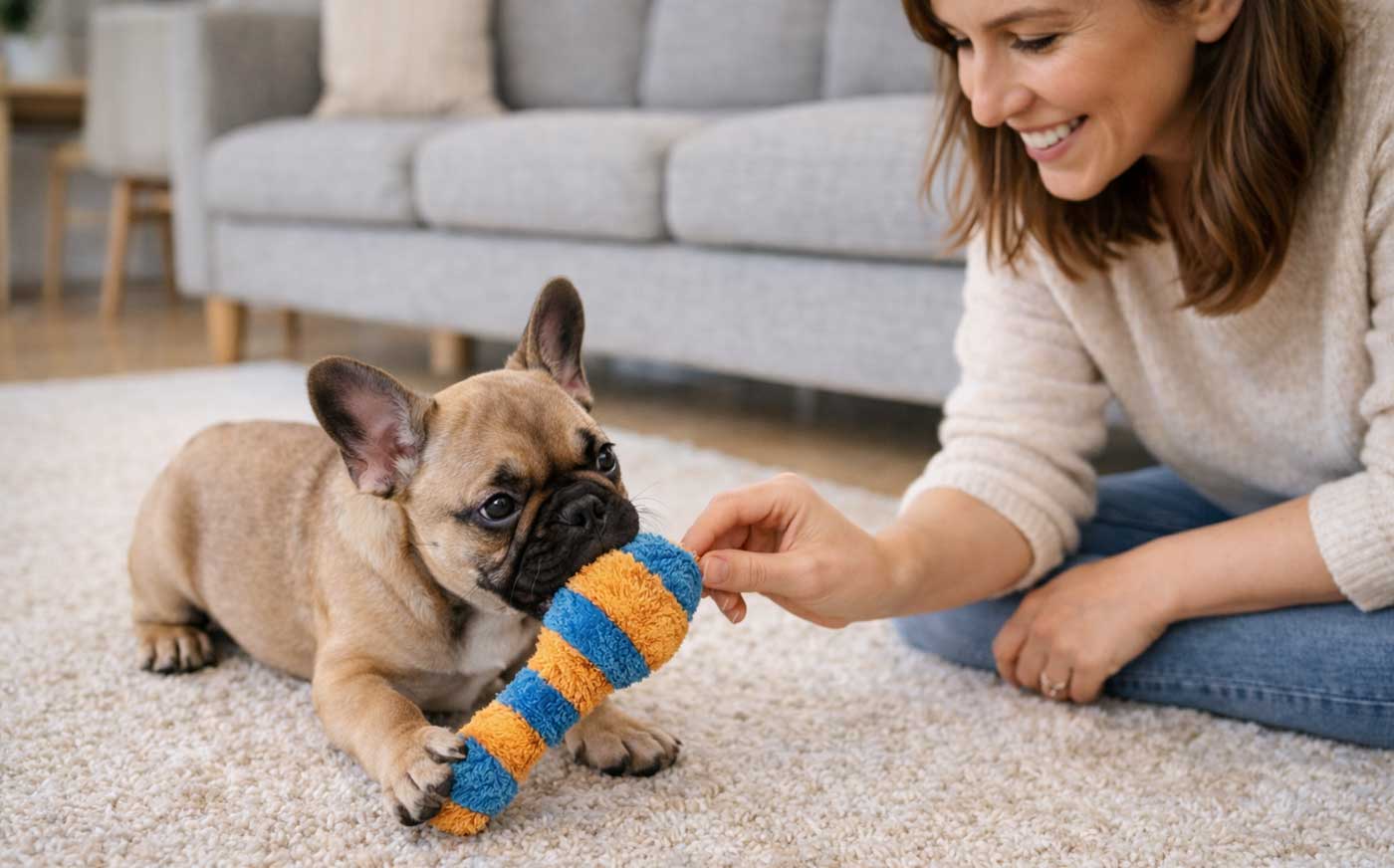
Teaching basic commands is one of the most important parts of raising a French Bulldog. Commands are not just about obedience—they are a form of communication. When your Frenchie understands “sit,” “stay,” or “come,” it means they understand what you want, and you can guide them safely in different situations.
French Bulldogs are smart, but they can also be stubborn. That’s why training must be consistent, patient, and fun. In the USA, where Frenchies often live in apartments, visit dog-friendly parks, or walk in busy streets, basic commands are essential for safety and peace of mind.
Essential Commands Every Frenchie Should Learn
Here are the most important commands to teach your French Bulldog:
- Sit
- This is usually the first command puppies learn.
- Helps manage excitement when guests arrive.
- Useful for leash training and safety.
- Stay
- Teaches patience and control.
- Helps in situations like crossing streets or waiting at doors.
- Come (Recall)
- Crucial for safety.
- Start in a quiet area and gradually add distractions.
- Always reward with treats or praise.
- Leave It / Drop It
- Prevents chewing dangerous items.
- Stops your dog from picking up harmful objects outdoors.
- Down
- Helps calm an excited dog.
- Useful in crowded areas or around small children.
- No / Stop
- Redirects unwanted behavior gently.
- Works best with calm tone and immediate reward for compliance.
How to Train Commands Effectively
- Short, Frequent Sessions
- Puppies have short attention spans.
- 5–10 minutes per session, 2–3 times a day, works best.
- Positive Reinforcement
- Use treats, praise, and play for good behavior.
- Avoid scolding—French Bulldogs respond better to encouragement.
- Consistency
- Use the same words and gestures each time.
- Mixed commands confuse puppies.
- Practice in Different Environments
- Start indoors, then try parks, sidewalks, or pet-friendly stores.
- Gradually introduce distractions like other dogs, people, or traffic.
- Patience is Key
- Some Frenchies take longer to learn certain commands.
- Celebrate small wins and avoid frustration.
Tips for Stubborn French Bulldogs
- Use high-value treats they really love, like small bits of chicken or cheese.
- Incorporate play into training (tug-of-war or fetch after a successful command).
- Keep sessions upbeat and end on a positive note.
- Use gentle hand signals along with verbal commands.
The Emotional Side of Basic Commands
Teaching commands is not just about controlling your dog. It’s about building trust and communication. When your Frenchie sits calmly, comes when called, or waits patiently, they feel confident and secure. You feel proud and connected. These moments strengthen your bond more than any obedience alone could.
Imagine walking your Frenchie in a busy American city street. Cars honk, people pass by, and dogs bark. You call “come,” and your Frenchie turns, walks calmly beside you, and sits politely at a crosswalk. That is more than obedience—it’s trust, understanding, and love in action.
Key Takeaway
Basic commands are the foundation for:
- Safety in public spaces
- Calm behavior at home
- Effective communication between you and your Frenchie
When training is fun, consistent, and rewarding, your French Bulldog not only learns commands—they learn to trust and enjoy life with you.
5. Correcting Bad Behavior in French Bulldogs (USA)
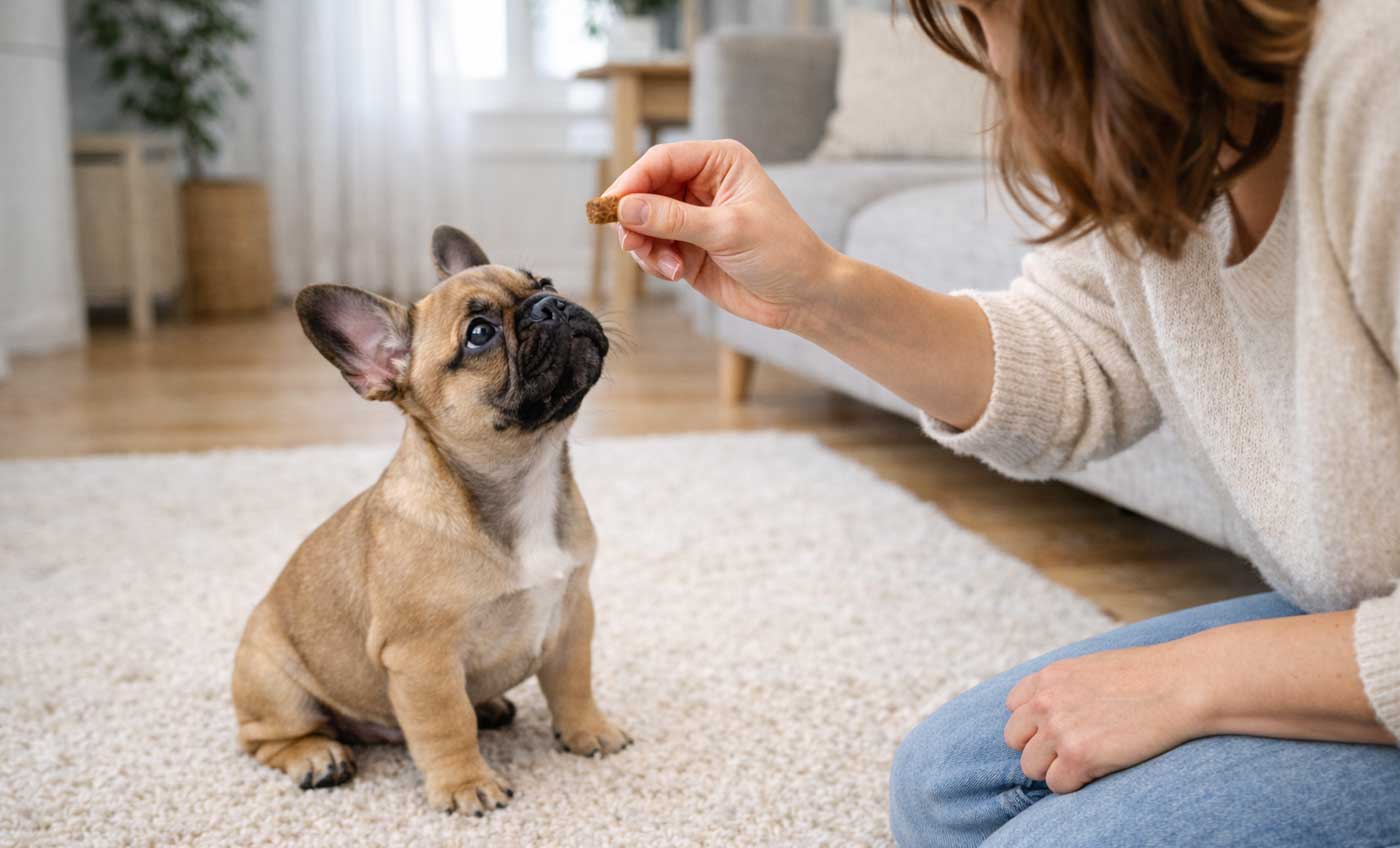
Even the sweetest French Bulldogs can develop bad habits. The good news is that most behavior problems are teachable moments, not signs of a “bad dog.” Correcting behavior is about guidance, patience, and positive reinforcement, not punishment.
In the USA, French Bulldogs often live in apartments, busy streets, or homes with children. Unwanted behaviors—like barking, chewing, or jumping—can create stress for both the dog and the owner. The key is to identify the cause, respond calmly, and redirect your Frenchie to appropriate behavior.
Common Behavioral Challenges
1. Chewing
French Bulldogs explore the world with their mouths, especially as puppies. Chewing is normal, but it becomes a problem when furniture, shoes, or wires are the target.
How to Correct:
- Provide safe chew toys (rubber, nylon, or flavored toys).
- Redirect them gently from household items to their toys.
- Praise and reward when they chew the right item.
Real Fact: French Bulldogs have strong jaws despite their small size, so a sturdy chew toy is essential.
2. Excessive Barking
Barking can signal attention-seeking, fear, or boredom. Constant barking is stressful in apartments and for neighbors.
How to Correct:
- Identify triggers: Is it the doorbell, other dogs, or hunger?
- Reward quiet behavior with treats and attention.
- Avoid yelling, which can increase anxiety or trigger more barking.
Pro Tip (USA Context): In apartment buildings, early sound desensitization to doorbells, elevators, and street noise reduces long-term barking issues.
3. Jumping on People
French Bulldogs are naturally affectionate and may jump to greet guests. While cute, this can become overwhelming or unsafe.
How to Correct:
- Stand firm and ignore the jumping.
- Teach your puppy to “sit” before allowing interaction.
- Reward calm behavior immediately.
Each time your Frenchie sits politely instead of jumping, it’s a tiny success that strengthens patience, communication, and trust.
4. Leash Pulling
French Bulldogs are strong for their size, and leash pulling can make walks stressful.
How to Correct:
- Use a comfortable harness designed for Frenchies.
- Stop walking whenever pulling occurs.
- Reward walking calmly by your side with praise or treats.
- Practice in low-distraction areas first, then gradually introduce busy sidewalks or parks.
Real Fact: French Bulldogs can overheat easily. Calm leash walks reduce stress and prevent rapid panting during exercise.
Avoid Punishment-Based Methods
Punishing a French Bulldog rarely works and can create fear, stress, or aggression. Instead:
- Redirect unwanted behavior
- Reward the correct behavior
- Be consistent and patient
Positive reinforcement builds confidence, trust, and joy—the opposite of fear-based training.
Correcting behavior is more than fixing problems—it’s teaching your Frenchie how to navigate the world safely and happily. Each calm response, each successfully ignored distraction, and each gentle correction strengthens the bond between you and your dog.
Imagine your Frenchie greeting a visitor politely, walking calmly past another dog, or staying seated during a busy street crossing. These moments are proof that your guidance and patience are shaping a confident, happy companion.
Key Takeaway
Correcting bad behavior is about:
- Patience
- Consistency
- Positive reinforcement
- Understanding your dog’s needs
A well-guided French Bulldog is confident, obedient, and emotionally balanced, making life easier and more joyful for both of you.
6. Advanced Training Techniques for French Bulldogs (USA)
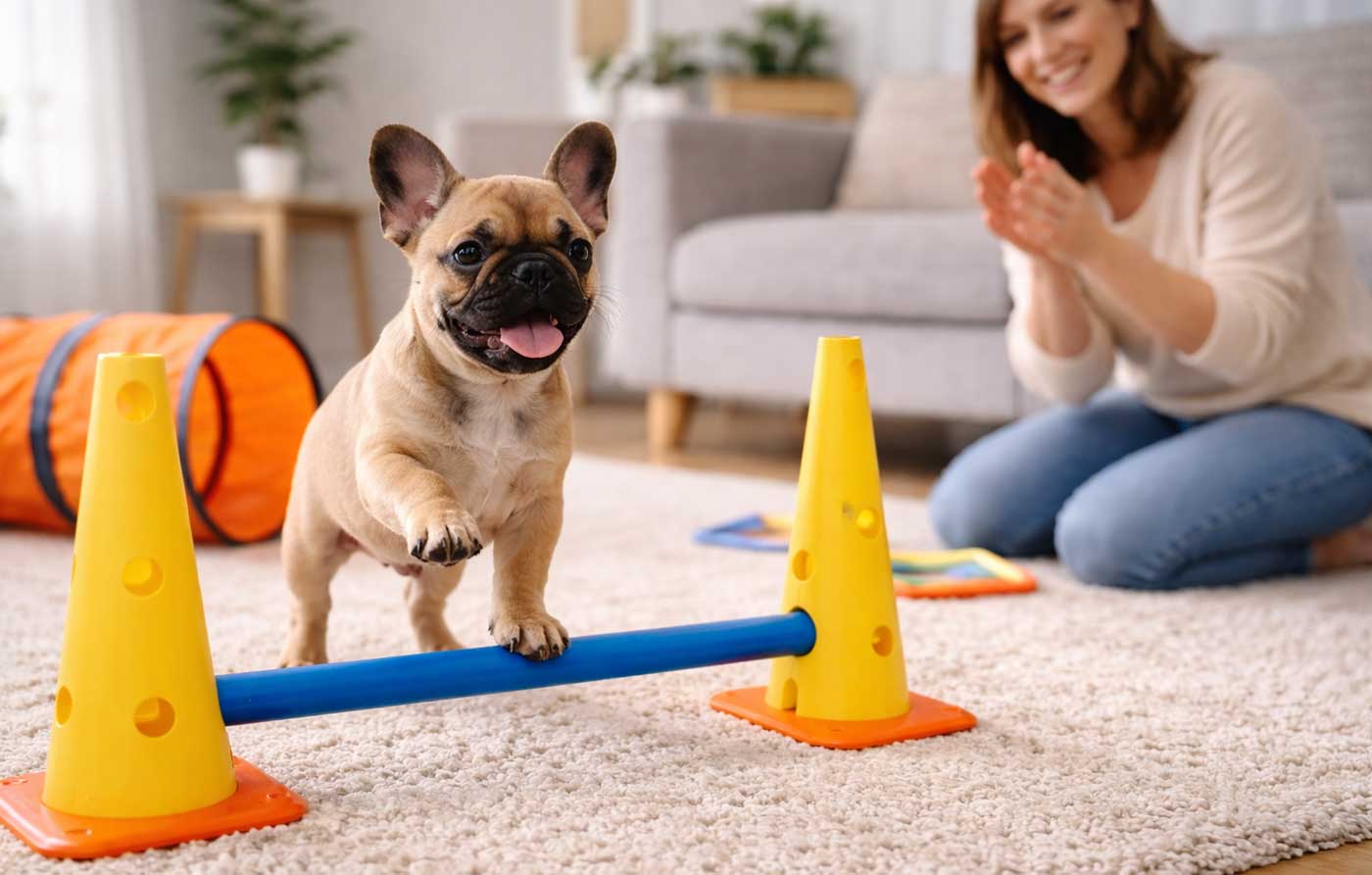
Once your French Bulldog masters basic commands, you can take training to the next level. Advanced training keeps your dog mentally sharp, physically active, and emotionally happy. It also strengthens the bond between you and your Frenchie, turning training into a fun, shared experience rather than a chore.
In the USA, where French Bulldogs often live in apartments, visit parks, and attend dog-friendly events, advanced training is particularly useful. It helps your Frenchie stay calm in public, respond to distractions, and enjoy stimulating challenges.
Why Advanced Training Matters
French Bulldogs are intelligent but can be stubborn. Without mental challenges, they may become bored, anxious, or develop unwanted habits like chewing, barking, or digging. Advanced training provides:
- Mental stimulation – keeps their brains active
- Confidence – boosts self-esteem through problem-solving
- Better social behavior – helps them handle distractions calmly
Real Fact: Studies show that mentally stimulated dogs are less likely to develop destructive behaviors. For French Bulldogs, this is especially important because they are prone to boredom-related anxiety.
1. Trick Training
Teaching tricks isn’t just fun—it’s a form of learning that builds confidence and strengthens your connection. Examples of tricks for French Bulldogs:
- Roll over
- Shake hands
- Play dead
- Spin in a circle
- Fetch a toy
Tips for Trick Training:
- Keep sessions short and positive (5–10 minutes)
- Always reward attempts, not just perfect performance
- Use high-value treats or favorite toys
Watching your Frenchie proudly perform a trick brings joy, laughter, and a sense of achievement for both of you.
2. Clicker Training
Clicker training uses a small sound device to mark correct behavior, followed immediately by a reward. It works especially well for stubborn French Bulldogs because it:
- Communicates clearly “this is right”
- Reinforces learning quickly
- Reduces frustration for both owner and dog
Pro Tip (USA Owners): Clicker training can help in noisy environments, like parks or city sidewalks, because the sound cuts through distractions and signals immediate reward.
3. Leash & Outdoor Training
Advanced leash training is essential for urban living in the USA. Teaching your Frenchie to walk calmly on a leash in busy streets or parks improves safety and enjoyment.
Techniques:
- Practice walking in calm areas first
- Introduce gradual distractions like other dogs or joggers
- Reward attention and calm walking
- Stop or redirect when pulling occurs
Real Fact: French Bulldogs are brachycephalic (flat-faced), meaning they can overheat or struggle with heavy exertion. Calm leash training prevents stress and keeps them safe.
4. Incorporating Games & Challenges
Advanced training can also include interactive games:
- Hide-and-seek with toys or treats
- Obedience challenges (sit, stay, come in different rooms)
- Short obstacle courses
These activities stimulate the mind, provide physical exercise, and prevent boredom.
Advanced training is not about perfection—it’s about fun, trust, and shared accomplishments. Every successfully learned trick, every calm response in a busy environment, and every playful learning session deepens your bond. Your Frenchie learns to trust your guidance, feel safe exploring, and enjoy learning new skills.
Imagine teaching your Frenchie to fetch a specific toy on command in your backyard or apartment. The look of pride in their eyes when they get it right is priceless—and it’s a moment of joy and connection you both share.
Key Takeaway
Advanced training is for mental stimulation, confidence-building, and real-world readiness. With tricks, clicker training, and outdoor challenges, your French Bulldog becomes:
- Confident
- Calm
- Mentally engaged
- Happier
In short, it turns training into play, learning, and bonding—all in one.
7. Mental Stimulation & Enrichment for French Bulldogs (USA)
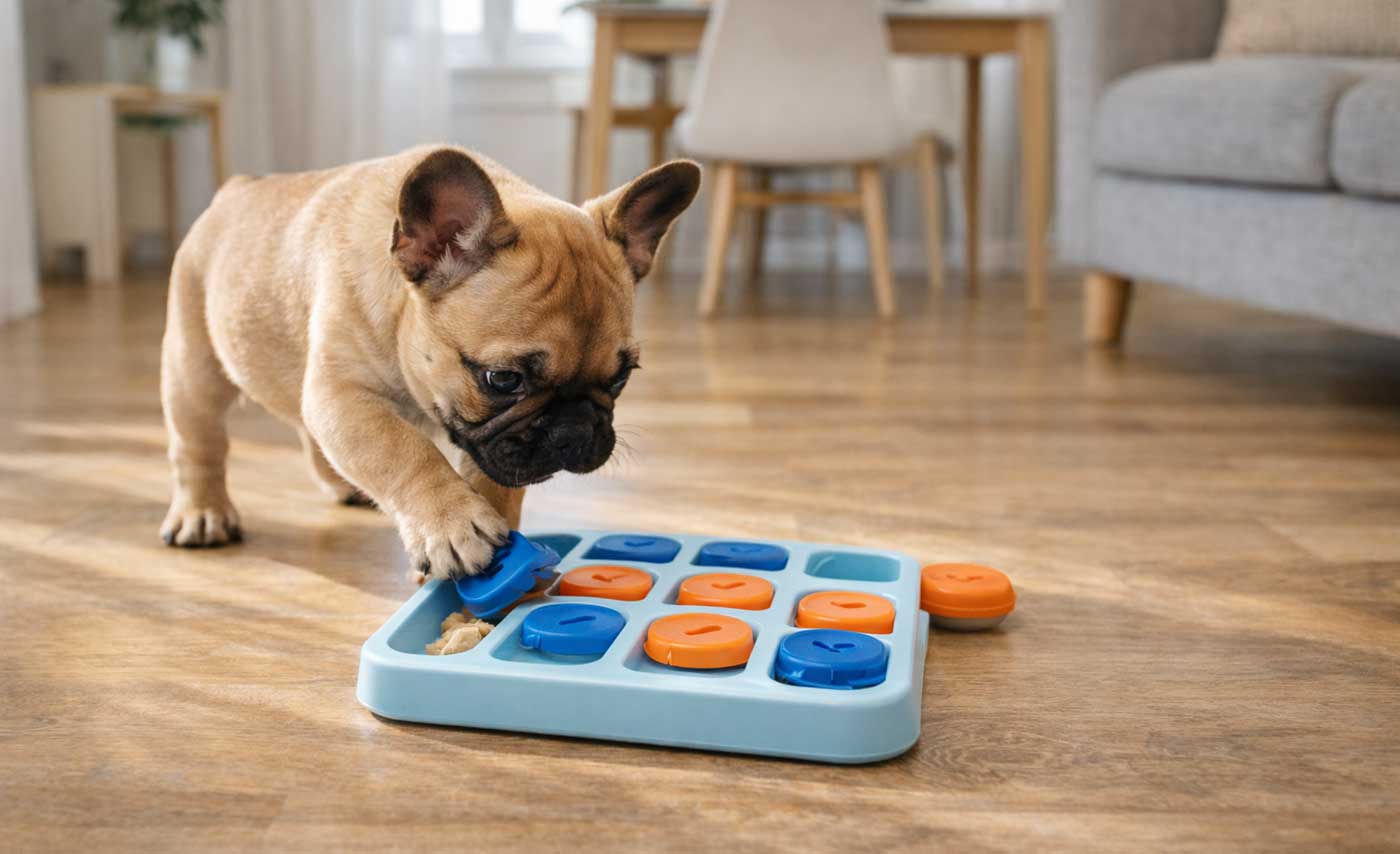
French Bulldogs are small but intelligent dogs. Their brains need exercise just as much as their bodies do. Without mental stimulation, Frenchies can become bored, anxious, or even destructive. This is especially true in the USA, where many live in apartments, busy neighborhoods, or urban environments with limited outdoor space.
Mental enrichment helps your French Bulldog stay happy, calm, and well-behaved. It also prevents problem behaviors like chewing furniture, barking excessively, or getting restless when left alone.
Why Mental Stimulation Matters
Unlike some high-energy breeds, French Bulldogs may appear lazy at first. But behind their relaxed exterior is a curious, clever mind. Mental exercise provides:
- Confidence – solving puzzles builds self-esteem
- Calmness – a tired brain reduces hyperactivity
- Bonding – shared challenges strengthen your relationship
Real Fact: Studies show that mentally stimulated dogs are up to 50% less likely to develop anxiety or behavioral problems. For French Bulldogs, mental engagement is crucial because they can get bored indoors quickly.
1. Toys & Puzzle Games
Interactive toys are a fantastic way to engage your Frenchie’s brain. Examples include:
- Treat-dispensing toys
- Puzzle feeders
- Hide-and-seek toys
Tips:
- Rotate toys every few days to keep interest high
- Start easy, then increase difficulty gradually
- Reward success with praise or small treats
Watching your Frenchie figure out a puzzle and get the treat is not just fun—it’s proof that they are learning, thinking, and thriving.
2. Training Games
Turn training sessions into mental workouts:
- Hide-and-Seek: Hide toys or treats around the house and encourage your Frenchie to find them.
- Obedience Challenges: Mix basic commands like sit, stay, or come with fun variations.
- Name the Toy: Teach your Frenchie the names of their favorite toys and have them fetch the correct one.
These games teach focus, problem-solving, and listening skills while strengthening your bond.
3. Social Activities & Experiences
Mental stimulation isn’t only about toys—new experiences count too:
- Puppy playdates with vaccinated dogs
- Dog-friendly events, parks, or daycare
- Short walks in new neighborhoods
Controlled exposure to new environments and people teaches confidence and adaptability.
Pro Tip (USA Owners): Busy city environments can be mentally exhausting for a puppy. Structured exposure helps them learn without overwhelming them.
4. Combining Physical & Mental Exercise
For French Bulldogs, combining short bursts of physical activity with mental challenges works best. Examples:
- Teaching tricks after a short walk
- Using puzzle toys during potty breaks
- Rewarding calm behavior with interactive play
Because French Bulldogs are prone to overheating, especially in hot climates, mental stimulation is often safer than long physical exercise.
Mental enrichment shows your Frenchie they are valued, loved, and engaged. Every successfully solved puzzle, every mastered trick, every calm response to a new experience is a sign of trust and understanding. Your French Bulldog learns not just to obey, but to think, explore, and enjoy life safely with you.
Imagine your Frenchie completing a puzzle toy, wagging their tail, and looking up at you expectantly. That tiny moment reflects curiosity, intelligence, and joy—and it strengthens your emotional connection.
Key Takeaway
Mental stimulation is as important as physical exercise for French Bulldogs. Providing enrichment through toys, training games, and new experiences ensures your dog is:
- Confident
- Calm
- Happy
- Well-behaved
When you combine love, patience, and mental challenges, your Frenchie thrives—both emotionally and mentally.
8. Frequently Asked Questions (FAQs) for French Bulldog Owners in the USA

Owning a French Bulldog is a joy, but new owners often have many questions. From training to health, socialization to apartment living, these FAQs cover the most common concerns for Frenchie owners in the USA. Each answer is practical, easy to follow, and designed to help your dog grow happy, confident, and well-behaved.
Q1: When should I start training my French Bulldog?
A: Training should begin from 8–12 weeks of age, as puppies are most receptive during this time. Early training builds confidence, trust, and good habits. Delaying training may result in stubbornness or fear-based behaviors later.
Q2: How long should training sessions last?
A: Puppies have short attention spans. Keep sessions 5–10 minutes, multiple times per day. Frequent, short sessions are more effective than long, tiring sessions.
Q3: Are French Bulldogs hard to train?
A: They can be stubborn, but they are also intelligent and eager to please. Consistency, patience, and positive reinforcement work wonders. Harsh punishment often backfires and can create fear.
Q4: How do I prevent aggression?
A: Socialize early, establish clear boundaries, reward calm behavior, and supervise interactions with children or other pets. Early exposure to people, dogs, and different environments reduces fear and aggressive tendencies.
Q5: Can I train a French Bulldog in an apartment?
A: Absolutely. Use short indoor sessions, puzzle toys, leash walks, and structured routines. Apartment living requires creativity—mental stimulation and outdoor potty breaks are key.
Q6: How do I deal with separation anxiety?
A: Gradually increase alone time, provide engaging toys or puzzles, and maintain a calm routine. Avoid dramatic departures or returns, which can reinforce anxiety.
Q7: What treats are best for training?
A: Small, soft, high-value treats that your Frenchie loves. Examples include tiny pieces of cooked chicken, cheese, or commercial dog treats. Use them sparingly to avoid overfeeding.
Q8: How do I teach recall effectively?
A: Start in a quiet, low-distraction environment. Call your dog with a happy, excited tone, reward immediately when they come, and gradually practice in more distracting settings. Patience is essential.
Q9: Can I train my Frenchie without professional help?
A: Yes, with patience, consistency, and reliable resources. Books, online guides, and local puppy classes can supplement home training. Professional trainers help if challenges persist or advanced behavior issues arise.
Q10: How do I correct stubborn behavior?
A: Avoid punishment. Redirect your Frenchie to the desired behavior, reward calm responses, and be consistent. Examples include stopping leash walks when pulling or giving treats for ignoring distractions.
FAQs are more than just answers—they reflect the real-life journey of raising a French Bulldog. Each question shows a commitment to your dog’s well-being and happiness. Every answered concern leads to less stress for you and a happier, more confident pup.
Imagine worrying about separation anxiety, trying different techniques, and then one day your Frenchie waits calmly as you leave the room. That small victory feels like a big moment of trust, love, and understanding.
Key Takeaway
French Bulldog ownership comes with challenges—but knowledge, patience, and love make every step rewarding. Understanding common concerns, following proven strategies, and responding with calm guidance ensures your Frenchie grows happy, confident, and well-adjusted in the USA lifestyle.
Conclusion: Raising a Happy, Well-Behaved French Bulldog in the USA
Raising a French Bulldog is a journey filled with love, laughter, and learning. From the very first day your puppy comes home, training, socialization, and mental enrichment play a key role in shaping them into a confident, calm, and happy adult dog. In the USA, where many French Bulldogs live in apartments, urban neighborhoods, or busy households, following structured routines is essential—not just for obedience, but for emotional well-being.
Training Is More Than Commands
French Bulldogs are smart, affectionate, and full of personality, but they can also be stubborn. Training is not about forcing them to obey—it’s about communication, trust, and understanding. Each command taught, from “sit” to “come,” builds a deeper connection. Each small success—walking calmly on a leash, greeting a visitor politely, or solving a puzzle toy—strengthens their confidence and your bond.
Real Fact: French Bulldogs respond best to positive reinforcement and short, consistent sessions. Yelling or harsh punishments can increase anxiety and slow learning. This is especially important in cities like New York or Los Angeles, where noise and distractions can overwhelm a sensitive Frenchie.
Socialization Creates Confident Dogs
Socialization is key for French Bulldogs to handle different environments, people, and other dogs. Early exposure prevents fear, anxiety, or aggression. Whether it’s a calm dog park in California, a busy sidewalk in Chicago, or a backyard barbecue in Texas, socialization helps your Frenchie feel safe and confident.
Imagine your puppy meeting a new friend at a dog park and wagging their tail instead of hiding. That moment reflects confidence, trust, and the joy of learning to navigate the world safely.
Mental and Physical Stimulation Go Hand in Hand
French Bulldogs may look relaxed, but they need mental challenges alongside short physical activities. Interactive toys, training games, and puzzle feeders prevent boredom and destructive behaviors. Short walks, fetch sessions, and trick training keep them physically healthy and mentally engaged.
Real Fact: Mentally stimulated dogs are up to 50% less likely to develop behavioral problems. For French Bulldogs, this is crucial because they can get bored easily indoors and may develop anxiety if understimulated.
Patience, Consistency, and Love Are Key
The secret to raising a well-behaved French Bulldog is a combination of patience, consistency, and unconditional love. Every mistake your puppy makes is a teaching opportunity. Every command learned, every new environment explored, and every playful session shared is a step toward building a strong, trusting bond.
Picture a quiet evening in your apartment—your Frenchie sitting calmly by your side, looking up at you with trust. This is the result of months of guidance, care, and shared experiences. That small moment reflects years of love, patience, and connection.
Key Takeaways for USA Frenchie Owners
- Start training and socialization early (8–12 weeks).
- Use positive reinforcement and short, consistent sessions.
- Provide mental stimulation with toys, puzzles, and games.
- Correct bad behavior gently—never punish harshly.
- Expose your Frenchie to new people, dogs, and environments gradually.
- Tailor training to apartment or urban living needs in the USA.
- Celebrate small victories—each one builds trust and confidence.
Final Thought
Raising a French Bulldog in the USA is about much more than teaching commands—it’s about building a deep, trusting relationship. This French Bulldog Training Guide shows that with patience, consistency, and love, your Frenchie learns not just how to behave, but how to feel safe and confident in their world.
Every small training success, every calm walk, and every playful moment strengthens the bond you share. When you combine clear structure, positive training methods, and genuine affection, your French Bulldog grows into a well-behaved, happy companion who truly understands you.
With time and care, your Frenchie becomes more than a pet—they become a loyal, joyful member of your family, ready to thrive in apartments, busy neighborhoods, and everyday life across the USA.